
By KHADIJAH ALIYU
Pregnant women have been advised to register for antenatal care early and adhere to prescribed medications and routine medical appointments to reduce complications during pregnancy and childbirth.
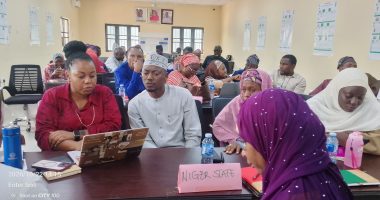
The advice formed part of the resolutions reached at a two-day stakeholder engagement on “Scaling RMNCH Innovations in Humanitarian Settings”, organised by the Kano State Ministry of Health in collaboration with Pathfinder International, CCSI and ACEHPAP.
The participants emphasised that early antenatal care enables health workers to detect and manage potential complications before they become life-threatening, thereby contributing to the reduction of maternal and newborn deaths.
Speaking during the engagement, the Chief Imam of Gaya Emirate Juma’at Mosque, Hashim Ibrahim, stressed the importance of antenatal care and hospital delivery in safeguarding the lives of mothers and their babies.
Imam Ibrahim urged pregnant women to avoid practices that could endanger their health and that of their unborn children.
He also called on religious and traditional leaders to intensify community sensitisation on the dangers of avoiding antenatal care and seeking medical attention during pregnancy.
Also speaking, Pastor Timothy described the engagement as timely, saying religious leaders would use their platforms to educate members of their congregations on the importance of seeking appropriate healthcare services.
He said pastors and other faith leaders had an important role to play in encouraging families to prioritise hospital visits and adopt healthy practices during pregnancy.
A representative of the women’s group, Maijidda Abdullahi, hinted that the group had conducted community dialogues to encourage women to attend antenatal clinics and seek timely medical attention whenever complications arose.
She explained that the initiative was aimed at reducing pregnancy-related complications and maternal and child mortality at the community level.
The Senior Programme Officer of Every Pregnancy, Ibrahim Baban Galla, pointed out that, the engagement was part of broader interventions aimed at preventing maternal and newborn deaths in Gaya Local Government Area.
According to him, women’s groups, traditional rulers and religious leaders were brought together to develop messages capable of influencing positive health-seeking behaviour among different groups within the communities.
He explained that Gaya Local Government Area was selected for the intervention because available data identified it as having one of the highest burdens of maternal mortality in the State.
The stakeholders therefore called for sustained collaboration among government, development partners, religious and traditional institutions and community groups to ensure that every pregnant woman has access to timely and quality maternal healthcare services.
Editing by BASIRAT MEMUDU