
By Daniel Karlmax.
Environmental advocates and enthusiasts have called for stronger collective and global action to preserve the environment in order to achieve climate justice and build sustainable urban and rural communities across the world.
They maintained that a safe, clean, and sustainable environment is a fundamental human right that must be preserved and protected by citizens, governments, and global stakeholders to improve people’s quality of life.
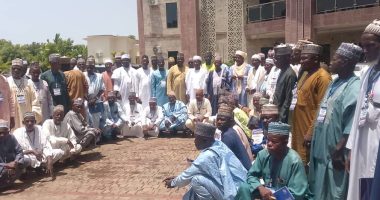
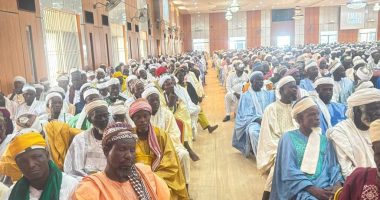
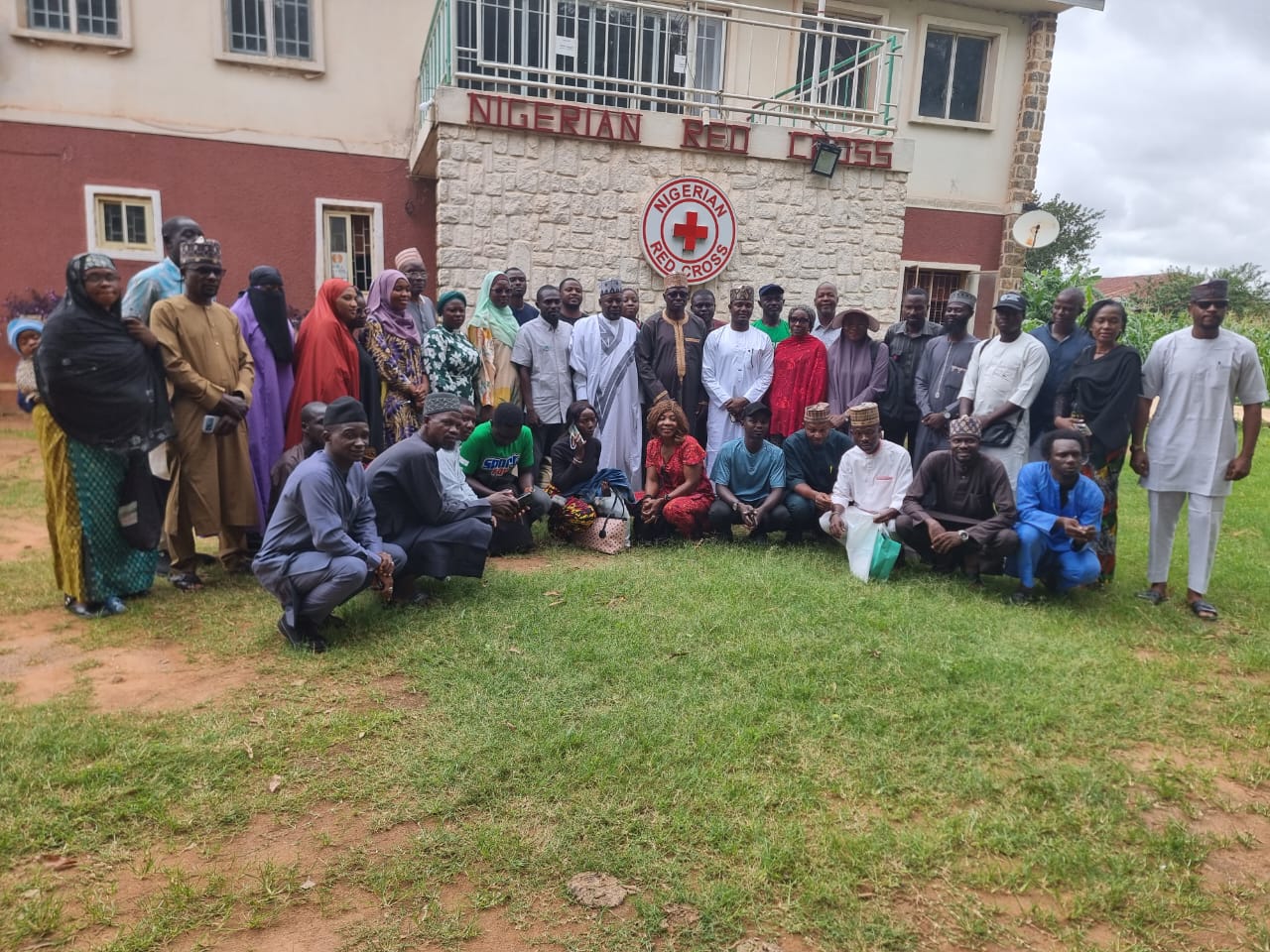
This formed part of discussions during the July edition of the monthly Climate Hangout in Kaduna, organized by the Climate Change and Environment Desk of the Interfaith Mediation Centre (IMC) in collaboration with Africa Climate Reporters and the Kaduna State Government, with support from the Nigerian Red Cross Society.
The event brought together scientists, geologists, environmental journalists, non-governmental organizations (NGOs), religious leaders, traditional rulers, and other environmental stakeholders under the theme: “Climate Action Through Collective Responsibility: Building Partnerships for Environmental Sustainability in Kaduna.”
In a presentation titled “Human Rights and the Environment,” Barr. Manasseh Akpa stated that the growing global campaign for climate justice is justified because environmental degradation continues to threaten fundamental human rights, including the rights to life, health, food, water, and sustainable development.
The legal scholar and environmental rights advocate argued that a safe, clean, and healthy environment is indispensable to the enjoyment of basic human rights, noting that no society can achieve sustainable development where pollution and environmental degradation persist unchecked.
He explained that although human beings depend on the environment for survival, increasing exploitation of natural resources by governments, corporations, and individuals has exposed millions of people to avoidable environmental hazards, particularly vulnerable communities whose livelihoods depend on farming, fishing, and other natural resources.
According to Akpa, climate change has transformed environmental degradation from a purely ecological concern into a human rights issue, as floods, droughts, desertification, oil pollution, gas flaring, and other environmental challenges continue to undermine the quality of life of present and future generations.
The environmental rights advocate maintained that international and regional legal instruments, including the Universal Declaration of Human Rights, the International Covenant on Civil and Political Rights, the International Covenant on Economic, Social and Cultural Rights, and the African Charter on Human and Peoples’ Rights, provide a legal framework linking environmental protection with the protection of human rights.
Akpa noted that Article 24 of the African Charter expressly guarantees every person the right to a general satisfactory environment favourable to development, describing it as one of the strongest legal foundations for environmental rights in Africa.
He also cited the landmark decision of the African Commission on Human and Peoples’ Rights in Social and Economic Rights Action Centre (SERAC) and Centre for Economic and Social Rights v. Nigeria, where the Commission held that environmental pollution in Ogoniland violated the rights of residents to health, food, and a satisfactory environment.
He further referenced the Federal High Court judgment in Jonah Gbemre v. Shell Petroleum Development Company, where the court held that gas flaring violated the constitutional rights to life and dignity because those rights include the right to a clean and healthy environment.
Akpa observed that despite annual United Nations Climate Change Conferences (COP) and several international agreements aimed at reducing greenhouse gas emissions, climate change continues to worsen because many countries have failed to fully implement their commitments.
He attributed the slow progress to weak political will, inadequate climate financing, poor enforcement of environmental regulations, continued dependence on fossil fuels, and the failure of developed countries to fulfil many of their financial and technological commitments to developing nations.
The paper further stated that although Nigeria has taken important steps through the Climate Change Act, 2021, and other environmental policies, enforcement remains weak due to inadequate funding, limited institutional capacity, and constitutional limitations affecting environmental rights.
Akpa argued that Section 20 of the 1999 Constitution, which mandates the state to protect and improve the environment, remains non-justiciable under Section 6(6)(c), thereby limiting citizens’ ability to enforce environmental rights directly in court.
He called for constitutional reforms to expressly recognize the right to a clean and healthy environment as a fundamental and enforceable human right. He also urged governments to strengthen environmental institutions, improve regulatory enforcement, and promote public participation in environmental governance.
According to him, achieving climate justice requires greater accountability from governments and multinational corporations, increased investment in renewable energy, stronger climate adaptation measures, and meaningful support for vulnerable communities that bear the greatest burden of climate change.
He added that protecting the environment is not merely an ecological obligation but also a moral and legal responsibility necessary for safeguarding human dignity, promoting sustainable development, and securing the rights of both present and future generations.
Other presentations at the event included “The Need for Tree Planting to Curb the Devastating Effects of Climate Change,” “Solar Journalism,” and “Abattoir Effluents on Public Health, Climate and the Environment,” delivered by environmental educator and Kaduna Polytechnic lecturer, Mrs. Halima Haruna.
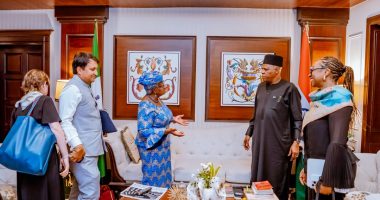
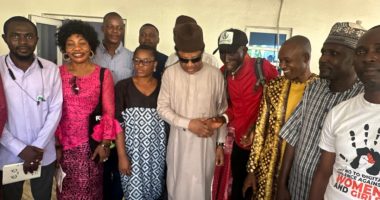
Goodwill messages were delivered by the Special Assistant to the Governor of Kaduna State on Climate Change, Mal. Yusuf Idris Amoke; the Communications Officer of Africa Climate Reporters, Ibrahim Yakubu; and the General Overseer of Christ Evangelical and Peace Revival Ministry, Kaduna, Pastor Yohanna Buru, among others.