
Writing By Daniel Karlmax/Editing By Godwin Duru
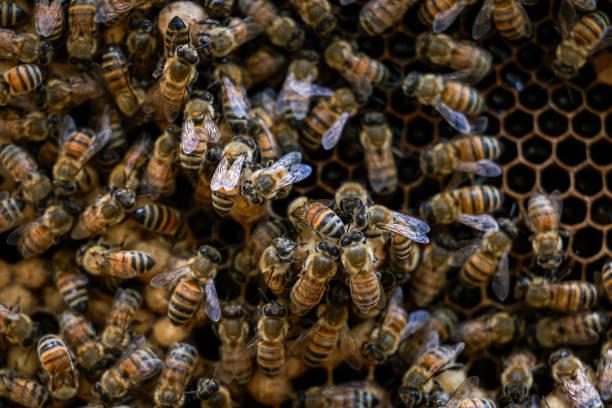
As the world celebrates World Honey Bee Day, science writers under the African Climate Reporters have reminded the global community of the vital role honey bees play in ecosystems and food production.
In a statement issued by the Head of Communications and Strategies, Ibrahim Yakubu said bees are among the most important pollinators, contributing significantly to agriculture, biodiversity, and environmental balance.
According to the statement, the global bee population has been declining at an alarming rate over the years due to the excessive use of pesticides and harmful agricultural chemicals.
These substances weaken bees, affect their navigation systems, and often lead to death.
Climate change is another major contributing factor, as changing weather patterns disrupt flowering seasons and reduce food availability for bees.
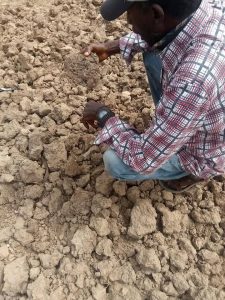
Mr. Yakubu pointed out that habitat destruction caused by urbanization, deforestation, and land degradation has also reduced the natural environments where bees live and reproduce.
“In addition, diseases and parasites such as the Varroa mite continue to threaten bee colonies worldwide.
“Pollution and poor environmental practices further worsen the situation, making it difficult for bees to thrive. Human activities that ignore ecological balance continue to put these essential pollinators at risk,” he explained.
To address these challenges, he noted that farmers should adopt environmentally friendly agricultural practices and reduce the use of harmful pesticides.
He added that governments and environmental organizations should establish stronger policies to protect bee habitats and promote sustainable farming practices.
Planting more trees and bee-friendly flowers in homes, schools, and communities can also help provide food and shelter for bees.
The Communications Officer for African Climate Reporters said public awareness campaigns and environmental education are essential in teaching people about the importance of bees and biodiversity.
He further stressed that research institutions should continue studying bee diseases and the impacts of climate change in order to develop better protection methods.
Mr. Yakubu emphasized that individuals can also contribute by supporting local beekeepers, avoiding pollution, and protecting natural ecosystems.
On this year’s World Honey Bee Day, he called for a concerted global effort to protect honey bees and preserve the balance of nature.
Daniel Karlmax