By Khadija Kubau
UNICEF has expanded its interventions across Nigeria, warning that millions of children remain at risk amid persistent health, nutrition, and education challenges.
Recent estimates indicate that over 2 million children in Nigeria suffer from severe acute malnutrition annually, making the country one of the hardest hit globally. At the same time, Nigeria accounts for one of the highest under-five mortality rates in the world, with hundreds of thousands of child deaths recorded each year, many from preventable causes such as pneumonia, diarrhea, and malaria.
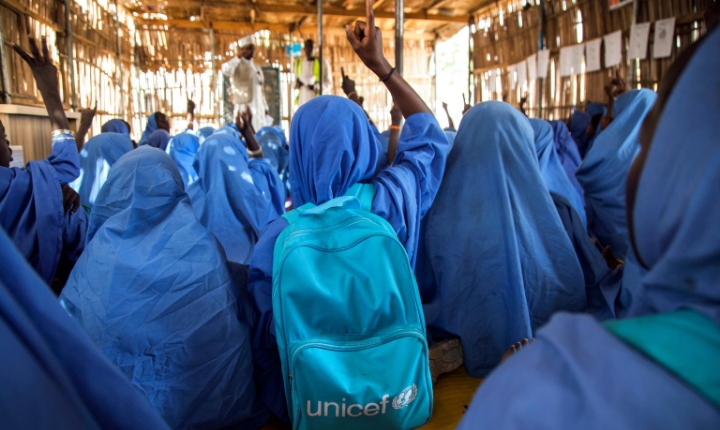
In the education sector, the crisis remains stark. An estimated 18–20 million Nigerian children are out of school, the highest figure globally, with girls and children in conflict-affected northern regions disproportionately affected.
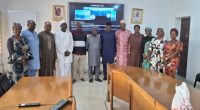
UNICEF officials, presenting an overview of ongoing interventions, said the agency is working closely with government authorities to respond to these challenges through targeted, system-strengthening programs.
Health interventions remain a top priority. UNICEF continues to support large-scale immunization campaigns against diseases such as polio and measles, while strengthening primary healthcare systems and cold-chain logistics. These efforts are particularly focused on internally displaced persons (IDPs) and underserved rural populations.
Access to clean water and sanitation is another urgent concern. According to sector estimates, tens of millions of Nigerians lack access to safe drinking water, contributing to recurring outbreaks of waterborne diseases like cholera. UNICEF’s WASH programs aim to reverse this trend by expanding climate-resilient water systems, improving sanitation infrastructure, and promoting hygiene practices.
On nutrition, UNICEF is scaling up treatment programmes for severe acute malnutrition (SAM), alongside preventive strategies such as promoting exclusive breastfeeding and improving complementary feeding practices. These interventions are critical in reducing child mortality and improving long-term development outcomes.
Child protection efforts are also being intensified. Nigeria continues to face high rates of child marriage and gender-based harmful practices, particularly in some northern regions. UNICEF is supporting legal reforms, birth registration systems, and community-based protection services to safeguard vulnerable children.
In the policy arena, UNICEF is backing reforms aimed at reducing child poverty. Current estimates suggest that over 40% of Nigerian children live in poverty, underscoring the need for stronger social protection systems. The agency is working with federal and state governments to expand social registries, improve public finance for children, and scale up cash transfer programmes.
Despite these daunting figures, UNICEF says progress is possible through sustained investment and coordinated action. “Strengthening systems and reaching the most vulnerable children remains at the core of our mission,” officials noted.
As Nigeria grapples with population growth, economic pressures, and regional insecurity, the scale of intervention required remains vast, but so too is the potential impact of sustained humanitarian and development efforts.