By Khadija Kubau
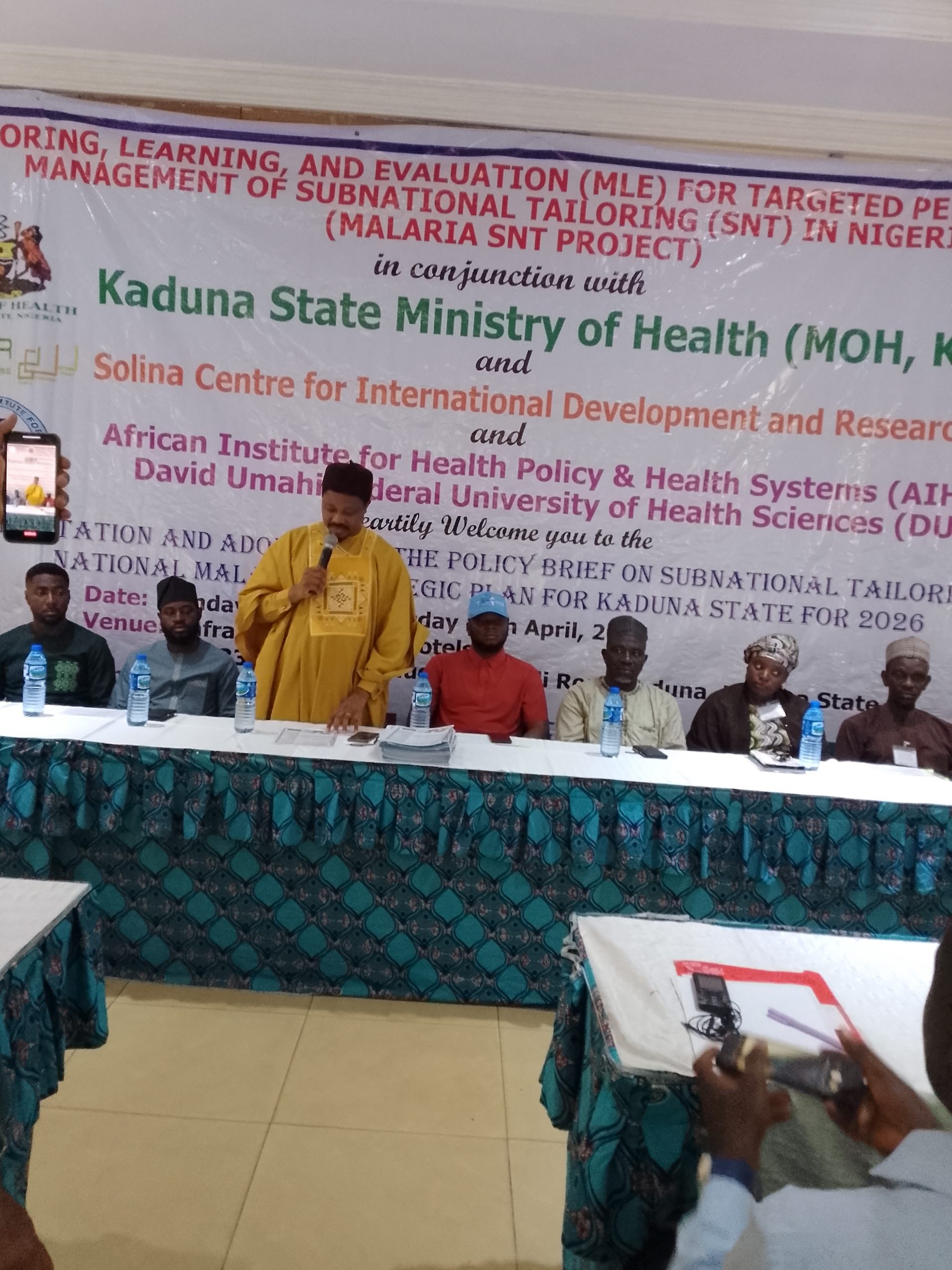
Kaduna Government State has taken a major step in the fight against malaria with the unveiling of a locally developed policy document designed to address the state’s specific health challenges.
Speaking on the initiative, the Vice-Chancellor of David Umahi Federal University of Health Sciences and Lead Consultant to the Malaria Sub-National Tailoring Project, Jesse Uneke described the state as a pacesetter in adopting context-driven strategies for malaria control.
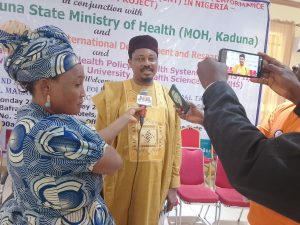
He explained that the project, which lasted over a year, began with stakeholder mapping that brought together key actors across sectors—ranging from health, education, and local government to civil society and development partners.
According to him, the stakeholders jointly developed practical solutions through a co-creation process, moving away from the traditional top-down approach.
Uneke noted that the diversity of Nigeria makes uniform national policies less effective, stressing that sub-national strategies allow states to respond to their peculiar realities.
The process culminated in a policy brief that has now been adopted and endorsed by the Kaduna State Ministry of Health for integration into its malaria control and elimination programme.
At the unveiling ceremony, the Project Manager, Danga Sule Emmanuel, who represented the Ministry of Health, urged stakeholders not to relent in sustaining the gains recorded. He commended the contributions of the Ministries of Education, the State Primary Health Care Board, ATSMA, implementing partners, and civil society groups in ensuring the success of the initiative.
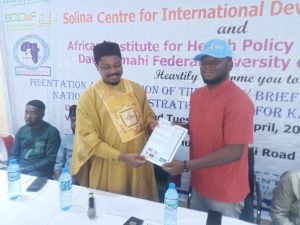
He described the policy document as the product of months of intensive consultations, collaboration, and shared commitment, expressing confidence that it would be effectively utilised to reduce malaria prevalence across the state.
In her opening remarks, the Permanent Secretary of the Ministry, Aisha Abubakar Sadiq, applauded stakeholders for their dedication and emphasized the importance of sustained partnership in tackling malaria.
Stakeholders at the event expressed optimism that the homegrown strategy would not only ease the malaria burden in Kaduna State but also serve as a model for other states seeking more effective, locally relevant solutions.