Stakeholders in the nutrition and health sector have underscored the critical role of the media in addressing malnutrition and anaemia in Nigeria, particularly among women and children who remain the most vulnerable groups.
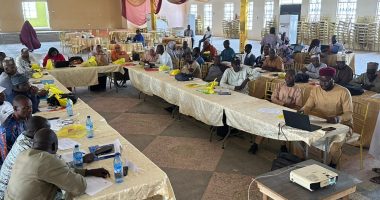
The Executive Director of Civil Society–Scaling Up Nutrition in Nigeria (CS-SUNN), Mr. Sunday Okoronkwo, made this known during a three-day capacity-building workshop for journalists held in Abuja.
Mr. Okoronkwo noted that media remained central to national development efforts, stressing that women and children affected by malnutrition-related conditions such as anaemia often lack a strong voice in society.
He described anaemia as one of Nigeria’s most persistent public health and nutrition challenges, especially among women of reproductive age, children, and adolescents.
According to him, prevention remains far more effective than emergency response, advocating the use of Multiple Micronutrient Supplements (MMS) as a key preventive intervention.
Mr. Okoronkwo explained that MMS was available, accessible, and affordable compared to many other health interventions, making it a viable option for large-scale prevention efforts.
Also speaking, a representative of the Federal Ministry of Health and Social Welfare, Assistant Director in the Nutrition Department, Mrs. Helen Achimugu, presented an overview of Nigeria’s nutrition landscape with emphasized on micronutrient deficiencies and anaemia among women and children.
She highlighted the magnitude of the challenge, its health and socio-economic consequences, as well as ongoing government strategies aimed at tackling the crisis.
In a presentation, Dr. Geoffrey Njoku focused on strengthening media reporting on nutrition and anaemia through human-centred storytelling.
He emphasized the importance of ethical, solution-driven, and people-focused journalism to improve public understanding of nutrition and broader public health issues.
Dr. Njoku encouraged journalists to prioritize real-life experiences, particularly those of pregnant women and other vulnerable groups, to effectively demonstrate the real-world impact of anaemia before presenting statistics.
The workshop brought together journalists and media professionals as part of ongoing efforts to promote informed, responsible, and impactful reporting on nutrition and anaemia in Nigeria.
Fatima Aliyu