
The Partnership Against Violent Extremism, PAVE Network Jigawa State Chapter, says preventing violent extremism requires strong community participation, inclusive governance, and sustained political commitment.
Addressing journalists at a press conference, the Chairman of the Network, Comrade Musbahu Basirka, explained that while Jigawa State has remained largely stable, insecurity in neighbouring states within the North-West poses potential spillover risks.
He identified banditry, organised criminal networks, youth unemployment, and socio-economic vulnerabilities as some of the key drivers sustaining violent extremism in the region, adding that preventive and community-based strategies are critical to long-term peace.
According to him, PAVE Network Jigawa has, in partnership with relevant Ministries, security agencies, civil society groups, and traditional institutions, strengthened the state’s Preventing and Countering Violent Extremism (PCVE) framework through capacity-building workshops, dialogue platforms, and peer-learning engagements with other states.

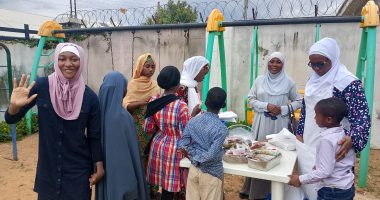
Comrade Basirka revealed that the Network recently carried out 15-day community resilience campaigns across selected local government areas, focusing on peace education, tolerance, and countering extremist narratives.
He said the initiative recorded growing awareness and willingness among communities to take ownership of peacebuilding efforts.
While acknowledging the progress made, the PAVE Chairman pointed out persistent challenges such as the continued presence of armed groups in the wider region and gaps in mainstreaming PCVE priorities across sectoral budgets.
He called on residents to support community alert systems, urged traditional and religious leaders to promote tolerance, and encouraged youth and women groups to lead positive counter-narratives.
The PAVE Network, he assured, remains committed to working with the Jigawa State Government and other stakeholders to safeguard peace, stability, and social cohesion in the state.
Usman Mohammed Zaria