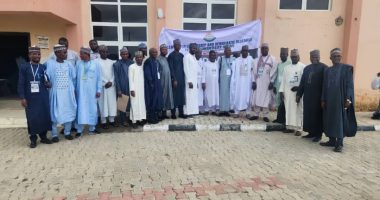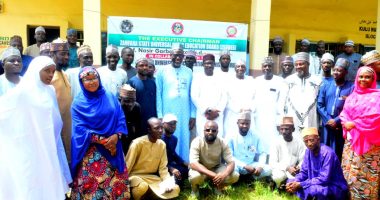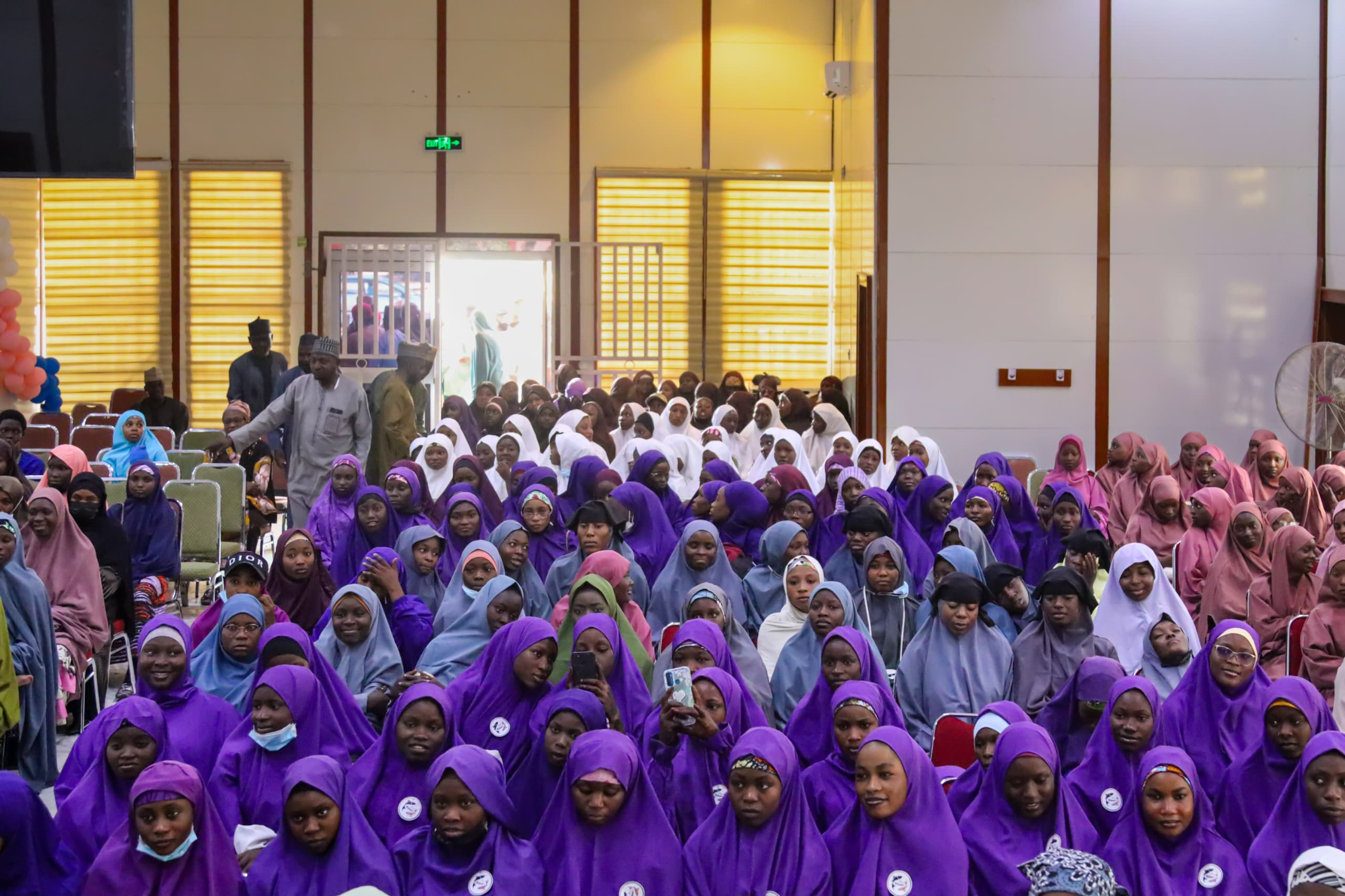
About 180 adolescent girls have graduated from a six-month vocational skills acquisition programme aimed at promoting self-reliance and economic empowerment in Zaria, Kaduna State.
The programme was implemented through a collaboration between the Centre for Girls’ Education (CGE) and the National Agricultural Extension and Research Liaison Services (NAERLS) of Ahmadu Bello University, Zaria.
Speaking at the graduation ceremony, a Deputy Director at the Centre for Girls’ Education, Hajiya Maryam Al-Bashir, said the transformation recorded among the girls after six months of training was remarkable.
According to her, the discipline, skills and values of the participants improved significantly when compared to their level at the start of the programme, adding that the training would enable them to make better life choices and become responsible members of society.
Hajiya Maryam Al-Bashir noted that CGE prioritizes girls from less-privileged backgrounds, ensuring they acquire practical skills that will help them become financially independent and contribute meaningfully to their families and communities.
She urged the graduates to give back to society by using the skills acquired to establish small-scale businesses, further their education and mentor other girls within their communities.
Also speaking, the Deputy Director of NAERLS, Professor Jamilu Abdullahi, explained that the training, which commenced in June, lasted for six months and was largely practical.
He said while CGE provided funding, equipment and training materials, NAERLS supported the programme by providing expert resource persons and facilities such as classrooms, farms, poultry pens and fish ponds for hands-on practical sessions.
Professor Abdullahi described the programme as successful and called on other organizations and non-governmental bodies to emulate the CGE-NAERLS collaboration, noting that such partnerships could help reduce poverty and unemployment among young girls.
In his remarks, the Manager of the Skills Acquisition and Entrepreneurship Development Centre, Engr. Abubakar, disclosed that the programme trained 180 girls across different vocational areas.
He stated that sixty participants were trained in horticultural crop production, another sixty in food processing and preservation, while thirty each were trained in poultry production and fisheries.
Engr. Abubakar explained that the training was designed to be hands-on, allowing the girls to personally carry out all practical activities under supervision, so they would be confident enough to start their own ventures after graduation.
He appealed to parents and guardians to support the graduates by encouraging them to start small and grow their businesses gradually, stressing that even modest beginnings could expand into sustainable sources of income.
Some of the beneficiaries described the training as life-changing, saying it exposed them to modern agricultural and processing techniques which they intend to use to improve their livelihoods and support their families.
COV / IBRAHIM SULEIMAN