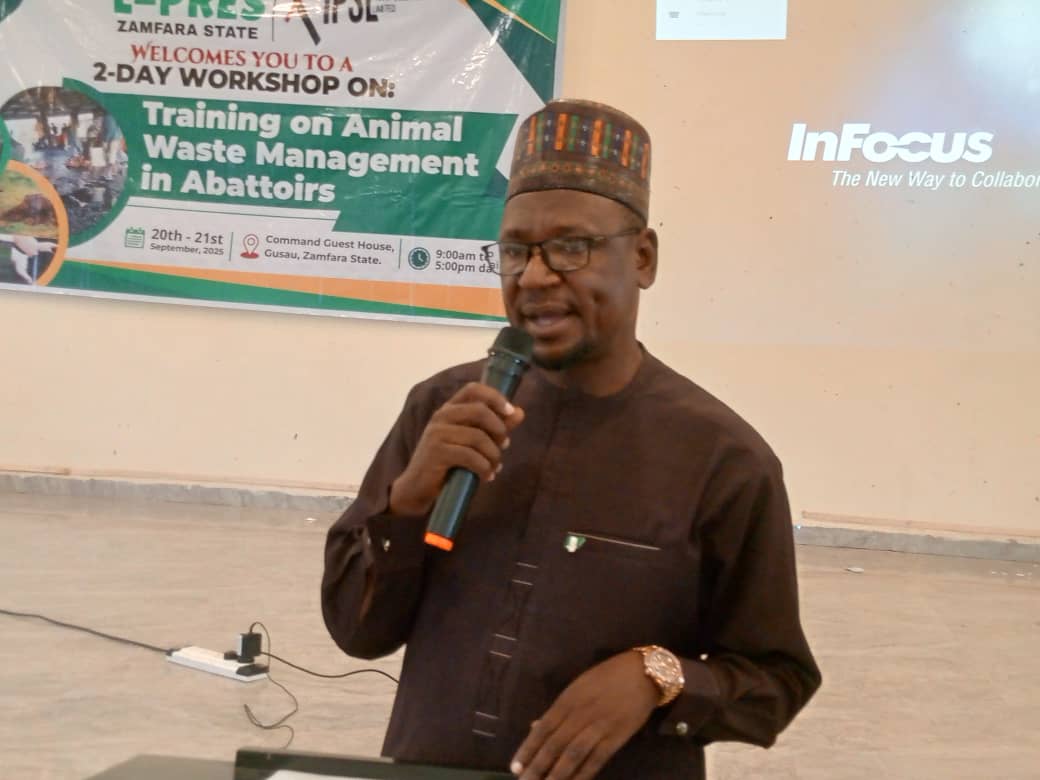

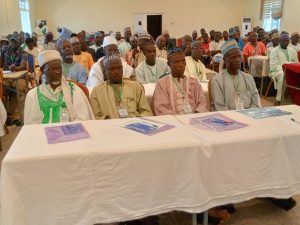
The Livestock Productivity and Resilience Support (L-PRES) Project in Nigeria has organized a two-day training for abattoir workers in Zamfara State on modern methods and best practices in Animal waste management in Abattoirs and Slaughter Slabs.
Declaring the training open in Gusau, the Zamfara State Coordinator of L-PRES, Alhaji Nasiru Mohammed, said the programme was designed to strengthen the capacity of butchers, abattoir staff, supervisors, veterinary as well as environmental officers.
The Livestock Productivity and Resilience Support (L-PRES) Project is a six-year initiative of the Federal Government of Nigeria, funded through the Federal Ministry of Agriculture and Rural Development with support from the World Bank.
The project is designed to improve livestock productivity, resilience, and commercialization across selected value chains, while also strengthening the country’s capacity to respond to crises and emergencies affecting the livestock sector.
Alhaji Nasiru Mohammed explained that, the participants would be exposed to practical techniques on how to minimize risks, convert waste into useful by-products and apply environmentally sound methods to ensure safer abattoir operations.
According to him, abattoirs played a central role in the food system by ensuring a steady supply of meat, creating jobs, and contributing to the state’s economy.
Its also generate large amounts of waste such as blood, dung, offal, and wastewater, that if not properly managed, it could pose serious threats to public health, the environment, and the image of the meat industry.
Alhaji Mohammed emphasized that, unhygienic disposal of abattoir waste leads to pollution of water sources, the spread of zoonotic and communicable diseases, offensive odours, and poor working conditions.
He stressed the need for urgent and collective action by all stakeholders to address the problem.
“Our facilitators have carefully designed the sessions to be interactive, combining lectures, group discussions, and hands-on demonstrations to ensure participants leave not only with knowledge but also with practical skills they can immediately apply,” he said.
He urged participants to take the training seriously by sharing their experiences, and apply the knowledge gained in their daily work.
Alhaji Mohammed further commended the facilitators and partners, particularly Innovative Pakar Solutions, for supporting the initiative.
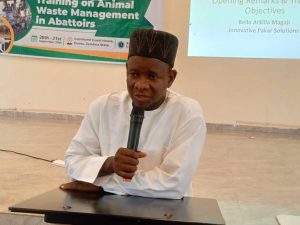
On his part, the lead facilitator, Dr. Bello Arkilla Magaji of Usmanu Danfodiyo University, described the training as timely and crucial to safeguarding public health.
He explained that poor handling of abattoir waste could result in serious health hazards, adding that, the programme would equip workers with the knowledge to identify different types of waste, manage them properly, and prevent the spread of diseases..
One of the participants for the training Jamila Musa Tsafe said” my business is selling meat.
“For example, when they slaughter a goat, sheep, or ram, we usually buy the bones and legs, Sometimes I pay someone to cut them for me, other times I cut them myself and display them on the table for sale.
She called called on the Zamfara State Government to support them with capital to expand their businesses.
According to her, the meat trade was a business inherited from her father who was also a butcher and she has been in the business for 16 years
Another participant, A butcher Bashar Garba appreciated L-PRESS for bringing him to acquire the acknowledged.
The training is part of L-PRES’s broader commitment to promoting sustainable livestock practices and protecting the health of residents in Zamfara State.
COV/AMINU DALHATU