
Writing By Ismai’l Adamu, Editing By Godwin Duru
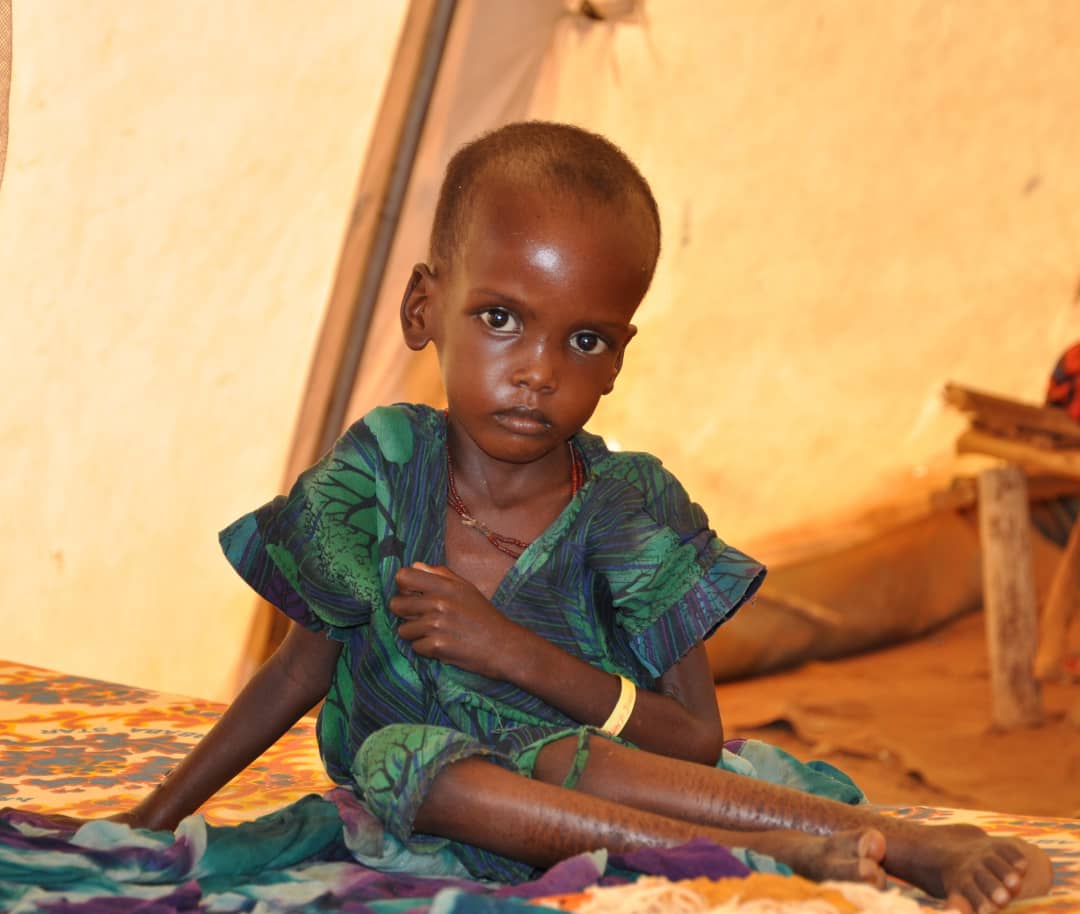
There was a heated row recently between Doctors Without Borders, otherwise known as Mèdecìns Sans Frontières (MSF), and the Katsina State government over the organization’s report which raised an alarm that 652 children in the state had died of malnutrition from January to June, 2025, while about 10,000 others were hospitalized with serious cases of malnutrition.
There is, however, no denying the fact that malnutrition is a real issue in the northwestern state which has been coping with humanitarian crisis bred by armed conflict, and with 72 percent of its population — about 7.1 million — living in multidimensional poverty, a strange development to many, particularly at a time when the cumulative revenue accruing to the state and its local governments has tripled since July 2023.
Now, with the state government, its development partners and other stakeholders pledging to roll out proactive measures and commit more resources and data-guided policies towards addressing malnutrition, it is hoped that relief will come the way of not only malnourished children but also pregnant and lactating mothers and other vulnerable segments of the population in hundreds of communities across the state.
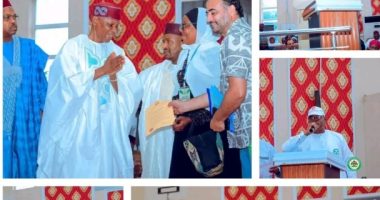
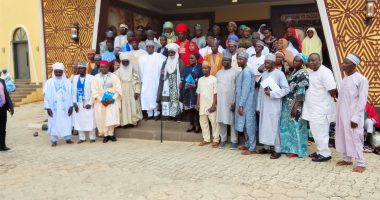
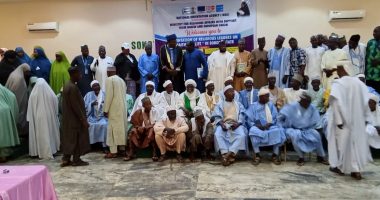
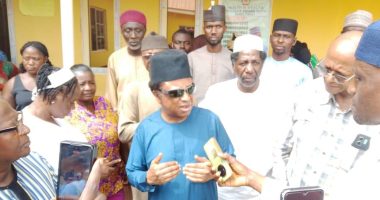
Emerging from a planning meeting for the 2025 Nutrition Smart Survey convened by the United Nations Children’s Fund (UNICEF) and the Katsina State government, the representatives of various health-based NGOs, multi-national donor agencies and officials of the 34 local government councils as well as Ministries, Departments and Agencies of the state government that have a stake in nutrition, announced that a framework is already at hand to carry out an evidence-based survey that will guide policy makers towards addressing the scourge.
In his presentation, the Nutrition Specialist at the Kano Field Office of UNICEF, Mr. Oluniyi Oyedokun, said the meeting will result in a “multi-sectoral action plan that will guide informed policies and investments to tackle acute malnutrition” in the state.
“UNICEF is supporting the government, it is funding the smart survey, the government of Katsina State is also supporting, it is taking the leadership in the conduct of the exercise, therefore the purpose of this meeting is to sensitize all the major stakeholders and different partners on the role each of them should play for us to effectively address malnutrition in Katsina State”, he stressed.
In his remarks, the Executive Director, Katsina State Primary Healthcare Development Agency, Dr. Shamsuddeen Yahaya, explained that the survey will reveal the extent and spread of the burden of malnutrition in the state, noting that the exercise will be thorough as it will involve trainings and field survey that will cover all the 34 LGAs in the state.
“We do not just conduct surveys and keep the report, we use it to guide policy and action, for instance, last year’s survey indicated that five LGAs of Daura, Zango, Maiadua, Baure and Sandamu had the most acute cases of malnutrition in the state, we therefore moved swiftly and opened 25 Outpatient Therapeutic Points (OTPs), five in each LGA, where people go to get nutrition treatment and food supplements”.
Yahaya said the OTPs which were equipped with nutrition commodities and trained personnel were jointly funded by the Katsina State government and UNICEF, besides monthly support of N250 thousand “which the Katsina State government has been providing to fourteen other local government areas since 2016”.
He pointed out that the Katsina State government and UNICEF have since 2023 steadily increased their joint investment to arrest malnutrition in the state, noting that the nutrition budget rose from N400 million in 2023 to N1 billion in 2025.
“In 2023, we provided N200 million as a matching fund to UNICEF’s N200 million support which we used to procure nutrition commodities including RUTF, in 2024 we provided N300 million while UNICEF matched that amount making it N600 million, and this year we have earmarked N500 million which UNICEF is going to match to make it N1 billion — all in the effort to address malnutrition”, Yahaya noted.
Speaking to Radio Nigeria, the Katsina State Coordinator of the Accelerating Nutrition Results in Nigeria (ANRiN) Dr. Umar Bello, said this year, stakeholders will focus on preventing malnutrition through proactive investments towards addressing food insecurity in the state.
“We just finished implementing ANRiN 1.0 Project and we have achieved a lot in terms of preventing malnutrition because globally it has been proven to be more cost-effective to prevent malnutrition rather than to cure it, that is why we reached out to three million target beneficiaries in vulnerable areas with timely intervention, these include the provision of frolic acid and micronutrient powder to pregnant women and nursing mothers, and albendozole and micronutrient powder to malnourished children in these target communities.
“We also trained over one thousand healthcare workers across key health facilities in the state, these trained personnel are now providing counselling services to nursing mothers and their husbands in their various communities, and in ANRiN 2.0 which will start in a couple months, we will liaise with the ministries of Agriculture, Budget and Planning and Women Affairs to carry out preventive interventions aimed at addressing food insecurity” Dr. Bello said.
Meanwhile, other stakeholders that include representatives from the Katsina State ministries of Budget and Planning, Agriculture, Finance, and Women Affairs as well as frontline NGOs took turns to pledge the commitment of their organizations to ending malnutrition in the state.
Isma’il Adamu