Kaduna State House of Assembly has on Thursday passed two significant bills into law, one establishing a new institution of higher learning and the other amending the state’s customary courts law.
The first bill provides for the establishment of the College of Agricultural Technology, Samaru Kataf, under the College of Agricultural Technology Law, 2024.
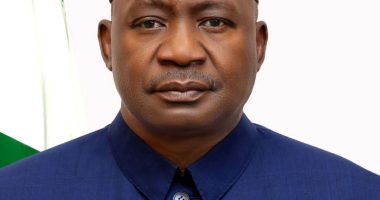
Presenting the committee report, Barrister Mahmoud Lawal Isma’ila, member representing Zaria City and Chairman of the House Committee on Education, noted that the law aims to promote the advancement of learning and facilitate instructional training and research in agricultural technology.
According to Barrister Isma’ila, the college will serve as a centre for academic excellence, focusing on equipping students with practical and theoretical knowledge in various agricultural technologies to enhance food security and rural development in the state.
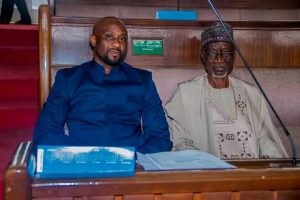
In a related development, the Assembly also passed a bill to amend the Customary Courts Law No. 9 of 2021.
The amendment seeks to improve the efficiency of justice delivery at the customary court level.
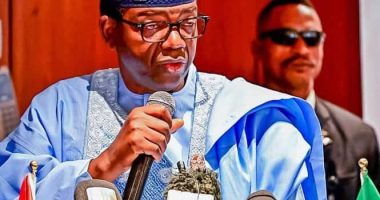
Presenting the report of the bill, Chairman, House Committee on Judiciary, member representing Zonkwa Constituency, Barrister Emmanuel Bako Kantiok, explained that the amendment is intended to make the administration of justice more flexible and accessible while ensuring quicker resolution of cases within the customary legal system.
“It will affect Kaduna State positively because it is going to enhance service delivery and the administration of justice will be fasten because we are aware that the Customary Courts are membership courts and what we have done today is to make it more flexible in view of the death of members at court level”, he said.
Barrister Kantiok added that, we found out that some courts have no full compliment of members and because there are no members the courts cannot sit.
Both bills were passed after deliberations and inputs from relevant committees and stakeholders, reflecting the Assembly’s commitment to improving the state’s legal and educational infrastructure.
SHAMSUDDEEN MANNIR ATIKU