
Nigeria Centre for Disease Control and Prevention (NCDC) says it is monitoring 53 contacts linked to the confirmed Ebola case in the Federal Capital Territory (FCT), following the identification of nine additional contacts.
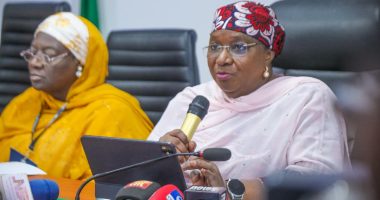
The Director-General of the NCDC, Dr Jide Idris, disclosed this during a media briefing on Sunday, saying contact tracing was ongoing, with exposed individuals being monitored for 21 days after their last possible exposure to the virus.
He said the contacts included healthcare workers, domestic staff, the patient’s spouse and other individuals who might have been exposed.
“Of the nine additional contacts, three are household members of the patient, her driver, chef and husband. Three others attended to her at Julius Berger Clinic before she got to the other facility, while the remaining three are members of the team who went to collect samples,” he explained.
Dr Idris said the agency had investigated two cases, including the confirmed case in the FCT and a suspected case in Rivers State, which tested negative.
He added that none of the identified contacts linked to the index case had tested positive for Ebola or developed symptoms.
“At the moment, none of the contacts has tested positive or developed symptoms associated with the confirmed case,” he said.
NCDC strengthens national response
Dr Idris said the NCDC had activated its incident management system and was working with the Federal Ministry of Health and Social Welfare, FCT health authorities and development partners to prevent further transmission.
He added that the agency had finalised an incident action plan and was strengthening preparedness and response capacity in states considered to be at higher risk of Ebola transmission.
The NCDC Director-General also disclosed that samples collected from the confirmed patient had tested positive on three occasions, while samples from her husband tested negative.
He said genomic sequencing had been completed in collaboration with the NCDC National Reference Laboratory and the African Centre of Excellence for Genomics of Infectious Diseases to establish the genetic characteristics of the virus and support information-sharing with international partners.
He added that laboratory reagents and other essential supplies were being distributed to designated laboratories nationwide, with support from the Africa Centres for Disease Control and Prevention, to strengthen testing capacity.
Patient responding to treatment
On the patient’s condition, Dr Idris said she was responding to treatment and had shown signs of improvement.
“The patient is better. I read the medical report last night from the hospital. The patient is ambulating,” he said.
He described the patient as a 42-year-old Ugandan-born woman resident in Abuja, married to a Swiss national. She recently travelled from Uganda to Nigeria.
He added that the University of Abuja Teaching Hospital had been prepared as an isolation and treatment centre in case additional cases were detected.
The NCDC Director-General said healthcare workers and contact-tracing personnel were receiving training in infection prevention and control.
He also said premises associated with the patient and her husband had been disinfected as part of measures to prevent further transmission.
Support for monitored contacts
Addressing concerns about contacts being monitored away from their homes, Dr Idris said arrangements had been made to provide accommodation and food for those placed in designated facilities.
He added that the government was considering a support payment of N100,000 per person per week to address welfare concerns during the monitoring period.
“We are looking at how to support those who are being monitored, particularly those who may not be able to remain in their homes during this period,” he said.
He urged state governments to take ownership of the response by strengthening surveillance, ensuring suspected cases were reported promptly and supporting contact-tracing activities within their jurisdictions.
Health facilities urged to remain vigilant
Dr Idris urged public and private healthcare facilities to strengthen screening, triage, hand hygiene, environmental cleaning, safe waste disposal and the proper use of personal protective equipment.
Reflecting on Nigeria’s experience during the 2014 Ebola outbreak, he said lessons from the previous response had helped strengthen the country’s surveillance, contact-tracing and emergency preparedness systems.
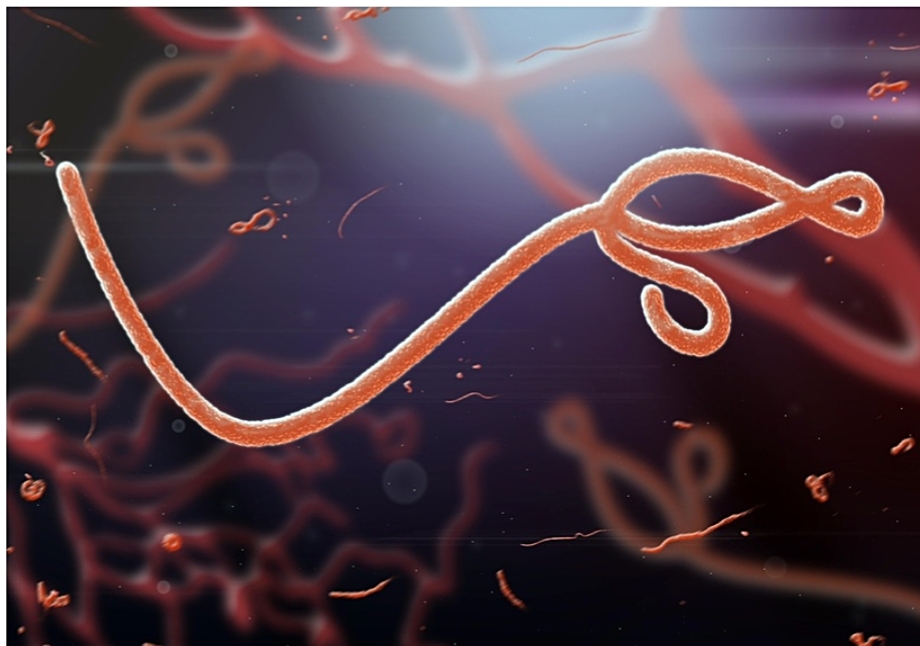
However, he noted that the Bundibugyo virus responsible for the current outbreak had no approved vaccine, although research and clinical trials were ongoing.
NCDC warns against misinformation
Dr Idris urged Nigerians to remain calm, cooperate with public health officials and rely on verified information from authorised sources.
He warned that misinformation and the stigmatisation of patients, contacts and healthcare workers could undermine efforts to contain the outbreak.
RN