By Adamu Yusuf
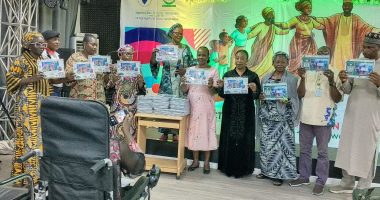
Kaduna State Government has intensified efforts to eliminate malaria with the inauguration of the Kaduna State End Malaria Council and the launch of the 2026 Kaduna State Malaria Bulletin.
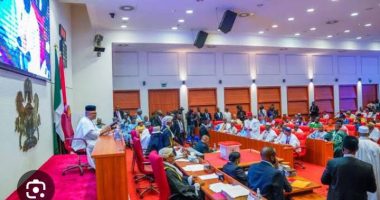
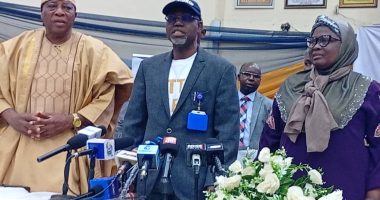
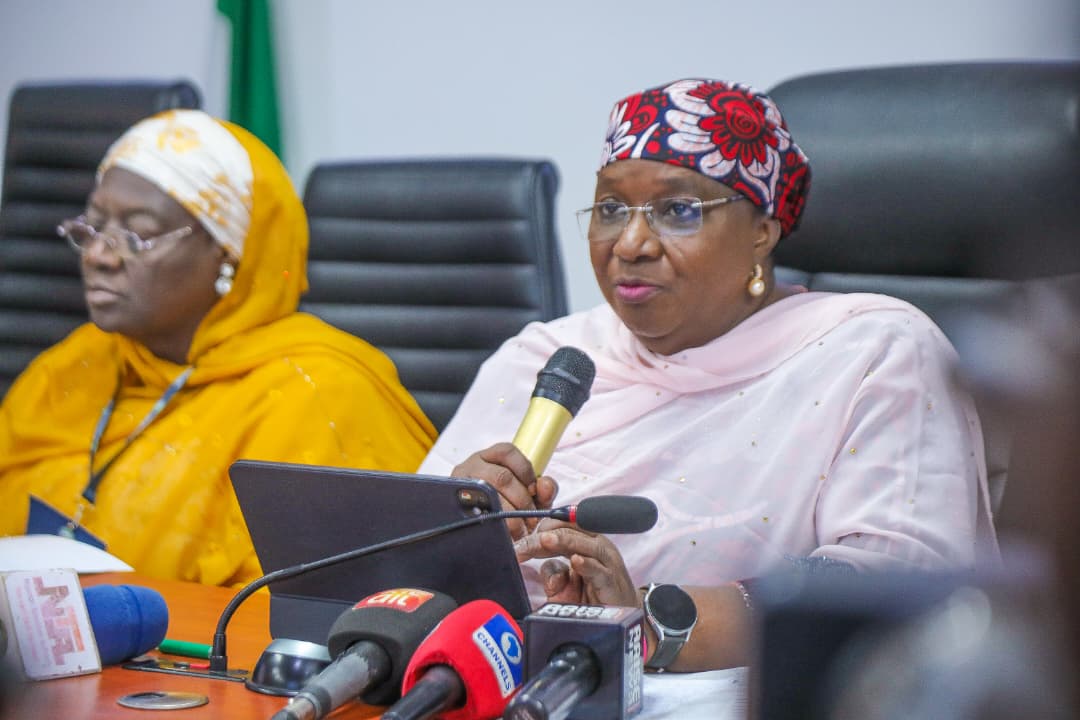
The Deputy Governor, Dr Hadiza Sabuwa Balarabe, inaugurated the council at the Deputy Governor’s Council Chamber in Kaduna to strengthen political commitment, mobilise sustainable funding and improve coordination among stakeholders working towards a malaria-free state.
The event was attended by representatives of Alhaji Aliko Dangote, the Emir of Zazzau, Ambassador Ahmed Nuhu Bamalli, religious organisations, non-governmental organisations and development partners, highlighting the importance of collective action in combating the disease.
Dr. Hadiza Balarabe described malaria as both a public health challenge and a social and economic burden on families and communities.
She called for a shift from routine treatment of cases to deliberate, coordinated and sustained interventions aimed at eliminating the disease.
The Deputy Governor urged council members to prioritise accountability, sustainable financing, evidence-based interventions, effective surveillance and measurable results.
She stressed that the malaria elimination required collective responsibility and strong partnerships among government institutions, the private sector, religious organisations, civil society and local communities.
Earlier, the Commissioner for Health, Hajiya Umma Ahmed, described the inauguration and the launch of the 2026 Malaria Bulletin as significant milestones in the state’s malaria elimination efforts.
She disclosed that the 2025 Malaria Indicator Survey recorded a malaria prevalence rate of 18.3 per cent in Kaduna State, underscoring the need to strengthen existing interventions and accelerate progress towards eliminating the disease.
The commissioner explained that the council would provide a high-level platform for advocacy, resource mobilisation and accountability, while the State Malaria Elimination Programme would continue implementing the state’s malaria strategic plan.
She added that the bulletin would provide evidence to guide decision-making by highlighting the disease burden, progress made and gaps requiring urgent attention.
Hajiya Ahmed commended Governor Uba Sani for his commitment to improving healthcare delivery and protecting the well-being of residents.
She also acknowledged the contributions of the Nigeria End Malaria Council, the National Malaria Elimination Programme, the Clinton Health Access Initiative, Malaria Consortium and other development partners to malaria control efforts.
The inauguration is expected to strengthen partnerships, improve access to malaria prevention and treatment services, and mobilise the resources needed to reduce infections and deaths across Kaduna State.
Editing by Khadija Kubau