By Shindong Bala
The United Nations Development Programme (UNDP) has called on the Federal Government to prioritise vulnerable communities, mobilise climate finance and strengthen institutional capacity to ensure effective implementation of Nigeria’s third Nationally Determined Contribution (NDC 3.0).
UNDP Resident Representative in Nigeria, Ms Elsie G. Attafuah, made the call at the launch of NDC 3.0 and the inauguration of its Interministerial Steering Committee in Abuja.
Ms Attafuah said the success of the climate action plan should be measured by its impact on the lives and livelihoods of Nigerians, particularly farmers, women, young people and communities exposed to climate risks.
She noted that climate change was already affecting daily life through irregular rainfall, flooding and extreme heat, with implications for agriculture, education, public health and economic productivity.
The UNDP representative said NDC 3.0 presented Nigeria with an opportunity to guide public spending, infrastructure development and private-sector investment towards expanding energy access, protecting livelihoods and building a more competitive economy.
She stressed the need for international climate finance, domestic public resources and private investment to support the country’s climate commitments, noting that concessional funding remained essential for adaptation and public services that might not generate immediate financial returns.
Ms Attafuah also highlighted the potential of carbon markets to support climate action, provided they were backed by environmental integrity, transparent accounting and fair arrangements for participating communities.
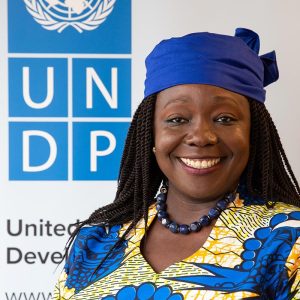
She said UNDP’s support for the development of Nigeria’s national carbon registry would strengthen accountability and build confidence in climate-related investments.
The UNDP representative called for the active involvement of women, youths, farmers and workers in climate programme design and implementation, stressing the importance of providing them with relevant skills and opportunities to ensure a fair transition.
The UN’s Resident Representative further advocated an integrated approach to climate change, biodiversity conservation and livelihood protection, citing watershed restoration as an example of an intervention capable of reducing flood risks, protecting biodiversity and sustaining agricultural production.
Ms Attafuah urged the newly inaugurated Steering Committee to identify priority areas, assign responsibilities to relevant institutions and mobilise the support required to translate Nigeria’s climate commitments into practical results.
She reaffirmed UNDP’s readiness to support Nigeria in strengthening climate governance, state-level implementation, innovation and development finance.
Ms Attafuah said the ultimate measure of success would be whether farmers could better withstand unpredictable seasons, businesses could grow with reliable energy and families could enjoy greater economic security.
Editing By Godwin Duru