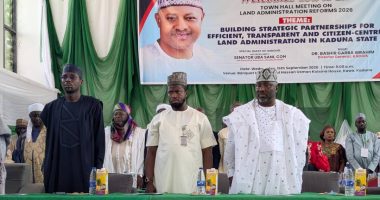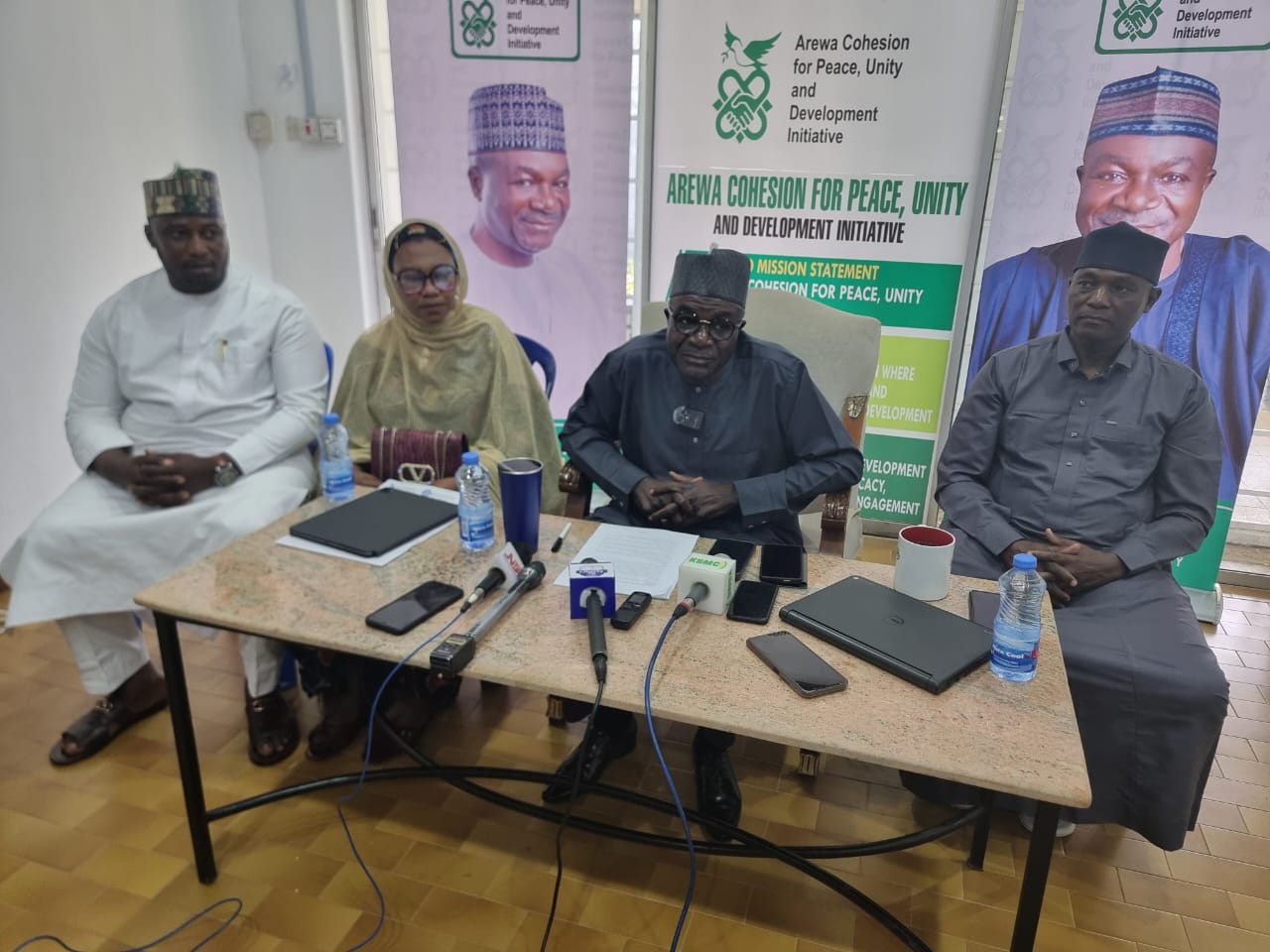

Participants at the Arewa Awareness Summit on Unity Against Insecurity have declared that Northern Nigeria must move beyond reliance on military operations and adopt a broader, community-driven strategy, intelligence-led policing, economic empowerment and education to defeat the region’s worsening insecurity.
In a communiqué issued at the end of the meeting, participants warned that insurgency, banditry, kidnapping, communal conflicts, farmer-herder clashes, illegal mining, arms trafficking and organised criminal activities had become increasingly interconnected, requiring responses that go beyond conventional military operations.
The summit identified weak governance, poverty, unemployment, inequality, environmental pressures, the proliferation of small arms, illegal economic activities and declining public confidence in public institutions as some of the factors fuelling insecurity across Northern Nigeria.
The participants also raised concerns over the growing cross-border operations of criminal groups, noting that the exploitation of Nigeria’s porous borders with neighbouring countries had made military responses alone inadequate.
The summit called on governments at all levels to institutionalise community-based early warning and early response mechanisms that bring together traditional rulers, religious leaders, women, youths, farmers, pastoralists and community organisations.
It also urged security agencies to strengthen intelligence-driven and people-centred policing through closer collaboration with local communities.
According to the participants, traditional institutions and religious organisations remain critical to conflict prevention, mediation, reconciliation and community mobilisation and should therefore be given greater support to perform these roles.
The summit further called for stronger collaboration among Northern states in intelligence sharing, border security, conflict prevention and regional development.
In its resolutions, the summit urged the criminal justice system to intensify investigations and prosecutions of those financing, facilitating or politically sponsoring criminal activities.
It further pointed out that, efforts to tackle insecurity would remain incomplete if attention continued to focus primarily on armed perpetrators while financiers, collaborators and other networks sustaining criminal operations escaped accountability.
The summit also identified leadership failure, corruption, elite complicity and poor governance as significant contributors to insecurity and underdevelopment in the region.
The stakeholders placed youth empowerment and education at the centre of their proposed solution, calling for greater investment in quality education, vocational training, entrepreneurship, employment and civic engagement.
They described the Almajiri system as a major socio-economic and security challenge requiring comprehensive reforms, including access to quality education, vocational skills, social protection and child welfare.
The summit also advocated the integration of Western and Islamic education as a means of developing responsible, productive and socially conscious citizens.
Participants maintained that education remains one of the most effective long-term tools for reducing poverty, preventing violent extremism and providing young people with alternatives to criminality and violence.
The summit stressed that women must no longer be treated merely as participants in peacebuilding programmes but should occupy decision-making and leadership positions in initiatives aimed at resolving conflicts and rebuilding affected communities.
It similarly called for the deliberate inclusion of persons with disabilities in peacebuilding programmes, development planning, humanitarian interventions and future regional engagements.
The stakeholders argued that inclusive participation was essential to ensuring that peacebuilding efforts reflected the experiences and needs of all affected groups.
The summit also urged citizens to embrace issue-based politics and elect competent, accountable and visionary leaders capable of addressing insecurity and promoting sustainable development.
It called on political leaders, traditional institutions, civil society organisations, educational institutions and development partners to work collectively to restore public trust, rebuild unity and promote inclusive development across Northern Nigeria.
The participants said the region possesses enormous human capital and economic potential that could be harnessed through quality education, responsible leadership, investment and social inclusion.
It stated that citizens, traditional institutions, religious organisations, civil society groups, educational institutions and communities all have critical roles to play in restoring peace and creating a secure and prosperous future for the region.
The participants expressed confidence that sustained implementation of the resolutions would contribute to restoring peace, strengthening unity, rebuilding public confidence and accelerating socio-economic development across Northern Nigeria.
Daniel karlmax