The National Assembly of Nigeria is set to overhaul Nigeria’s planning and budgeting architecture through a high-level national policy dialogue aimed at achieving a $1 trillion economy.
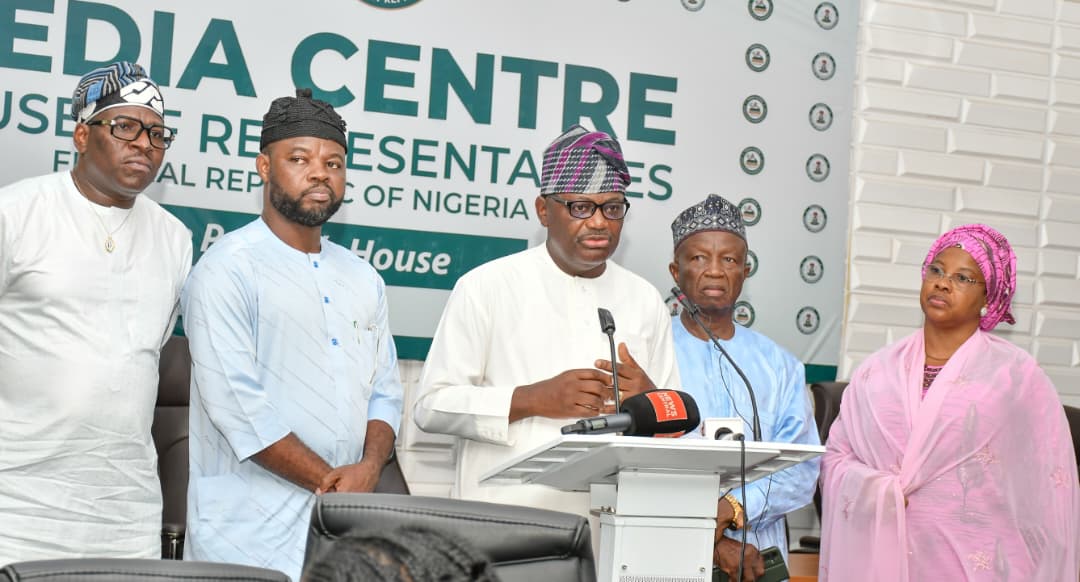
Chairman, House Committee on National Planning and Economic Development, Gboyega Isiaka, disclosed this while addressing newsmen at the National Assembly Complex in Abuja.
Isiaka explained that, as part of efforts to achieve the goal, a two-day dialogue has been scheduled for April in Abuja by the joint committees of the Senate and the House of Representatives on National Planning and Economic Development.
He said the dialogue was designed to bridge longstanding gaps between national development plans and budget implementation, the matter considered among the major constraints to sustainable economic growth.
The lawmaker mentained that the dialogue would however attract critical stakeholders from government, private sector and other policy institutions to chart a more coherent development path for the country.
The lawmakers expressed optimism that the forthcoming dialogue would redesign Nigeria’s approach to development planning for a more responsive, coordinated and results-driven budgeting system capable of delivering sustained economic growth.
He stressed that the Nation’s current growth rate of about 3.54 per cent remains insufficient to meet its long-term economic aspirations, particularly the $1 trillion economy target.
“We cannot continue on a business-as-usual trajectory. Our growth must not only accelerate but must also be deliberately tied to a well-structured and implementable national plan,” Isiaka said.
Also speaking, Deputy Chairman of the House Committee Mr Clement Jimbo, underscored the centrality of strategic planning to national development, emphasizing that weak planning frameworks could continue to undermine economic progress.
Responding to questions on managing potential oil windfalls, the Deputy Chairman of the committee said while the responsibility lies primarily with the executive, there are viable strategies to ensure fiscal stability through saving excess revenues and adjusting budgets to reflect changing economic conditions.
The forthcoming Dialogue was organised in collaboration with the Office of Vice President, Ministry of Finance, Ministry of National Planning, and the Budget Office of the Federation.
COV/TSIBIRI