
By Adamu Yusuf
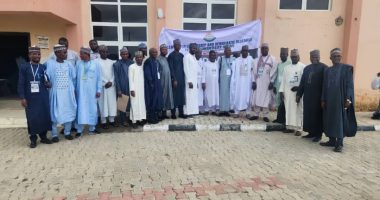
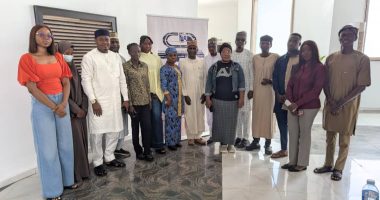
The Confederation of Traditional Stock Breeders’ Organizations in Africa (CORET), in partnership with AmbuVet Consult Nigeria Limited, has launched a strategic collaboration to strengthen livestock service delivery and improve livelihoods among pastoral communities in Kaduna and Jigawa States.
The initiative targets Ladduga in Kachia Local Government Area of Kaduna State and Maigatari in Jigawa State, and is being implemented under an ECOWAS-funded project with support from the Swiss Development Corporation.
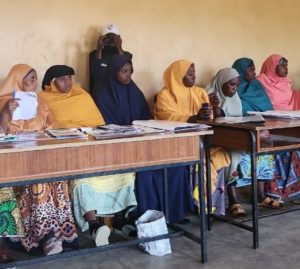
The project focuses on improving animal health services, boosting dairy production, and promoting youth participation across the livestock value chain.
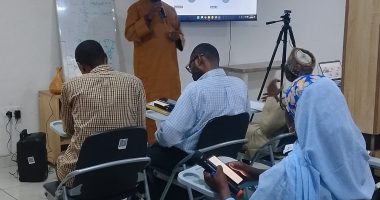
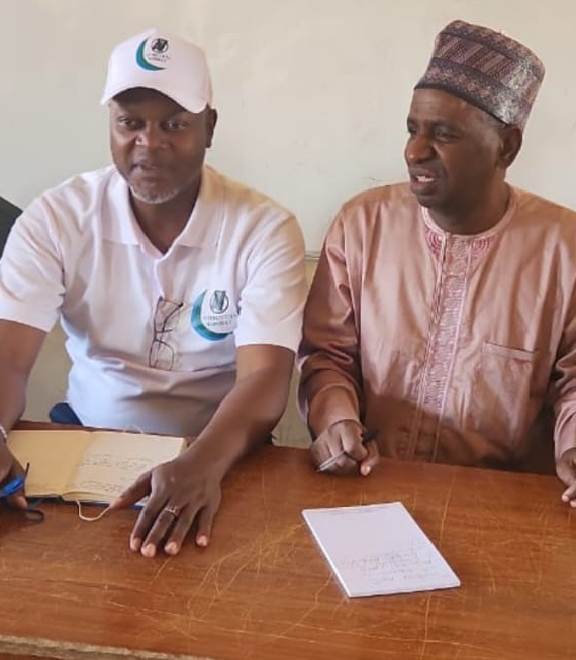
Speaking during an interactive session in Ladduga, the Project Coordinator, Dr. Umar Ardo Abdu, said the collaboration was designed to ensure the sustainability of project interventions beyond the project’s lifespan through an effective public-private partnership model.
Dr. Abdu explained that AmbuVet Consult Nigeria Limited was selected based on its proven track record and expertise in animal health service delivery and livestock value chain development across pastoral communities in Kaduna and Jigawa States.
According to him, the partnership covers key intervention areas including the training and certification of Community Animal Health Workers, provision of quality veterinary drugs and vaccines, dry-season livestock feeding support, as well as improved milk production, aggregation, and hygiene practices.
He added that selected youths from participating communities are being trained and equipped to provide veterinary support services under the supervision of public and private veterinary professionals, with certification coordinated through the Veterinary Council of Nigeria.
Also speaking, a representative of AmbuVet Consult Nigeria Limited, Abubakar Adamu Abubakar, said the collaboration aims to improve last-mile delivery of animal health services while creating sustainable business and employment opportunities for pastoral youths in Ladduga and Maigatari.
He disclosed that AmbuVet plans to establish community-based veterinary service outlets managed by trained local youths to ensure consistent access to quality veterinary drugs, vaccines, and professional animal health services.
“Ambuvert Consult, a private business headquartered in Kaduna, specializes in animal health service provision, with a focus on supporting livestock farmers at the grassroots level”.
Abubakar emphasized the importance of collaboration with local and international partners. “We are thankful that Coret and other partners are already active here,” he said. “Our goal is to deepen relationships and work together to improve animal health services in Ladduga and surrounding communities.”
Abubakar highlighted that part of Ambuvert Consult’s approach is to create sustainable employment opportunities for pastoral communities, moving beyond traditional buying and selling to a long-term business model that benefits both farmers and youth.
The program has already identified and trained 20 local individuals who will manage community-based animal health outlets.
These outlets will provide access to quality veterinary drugs and vaccines, ensuring that livestock receive effective treatment and preventive care.
Special attention is being given to the proper storage and handling of vaccines to maintain their efficacy from the manufacturer to the point of administration.
Abubakar explained that Ambuvert Consult, with support from Coret, invests in bringing veterinary products to the community while empowering local people to manage the business.
“This is not just about running a business,” he said. “It’s about promoting community development and ensuring that animal health services are sustainable for the long term.”
He urged the community to take full advantage of the program, stressing that projects like this, funded by ECOWAS and other partners, may not last forever.
“Coret brought us in to establish a sustainable service,” he said. “The community should not take this for granted. If they maintain it, other investors may follow, leading to more opportunities and competition in the future.”
The Monitoring and Evaluation Officer of CORET, Alhaji Bimbi Adamu Tahir, commended the effective implementation and strong community acceptance of the ECOWAS-funded livestock development project in both Ladduga and Maigatari.
Alhaji Tahir noted active participation by pastoral youths and other beneficiaries, adding that the project, which is scheduled to run until 2030, has already recorded encouraging results with implementation targets progressively being met.
He attributed the success recorded so far to strong community ownership and cooperation, which he described as a clear indication of the project’s high level of acceptance among pastoral communities.
The CORET M&E Officer emphasized the importance of education in sustaining development outcomes, urging beneficiaries to prioritize the education of their children alongside livelihood activities.
He said education would strengthen capacity, promote innovation, and secure the long-term benefits of the intervention.
Assessing the performance of the Learning Committees in Ladduga and Maigatari, Alhaji Tahir said the committees have played a vital role in coordinating activities, promoting knowledge sharing, and supporting effective project implementation.
Community leaders and beneficiaries in both locations welcomed the partnership, describing it as timely and impactful, and expressed confidence that sustained collaboration between CORET and AmbuVet Consult would significantly improve livestock productivity, milk quality, and income generation.
One of the beneficiaries, Rabiu Adamu from Ladduga, commended CORET and AmbuVet Consult for creating opportunities that expose dairy producers to quality livestock medicines, improved feed, and pasture seedlings.
The project will train 24 youths as key livestock service providers to enhance employment opportunities and strengthen the dairy value chain in Kaduna and Jigawa States.
The initiative forms part of the ECOWAS Project to Promote Youth Employment in the Dairy Value Chain, a three-year intervention aimed at equipping young people with practical skills and creating sustainable income opportunities within the livestock sector.