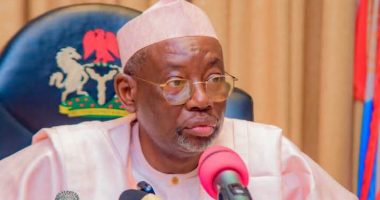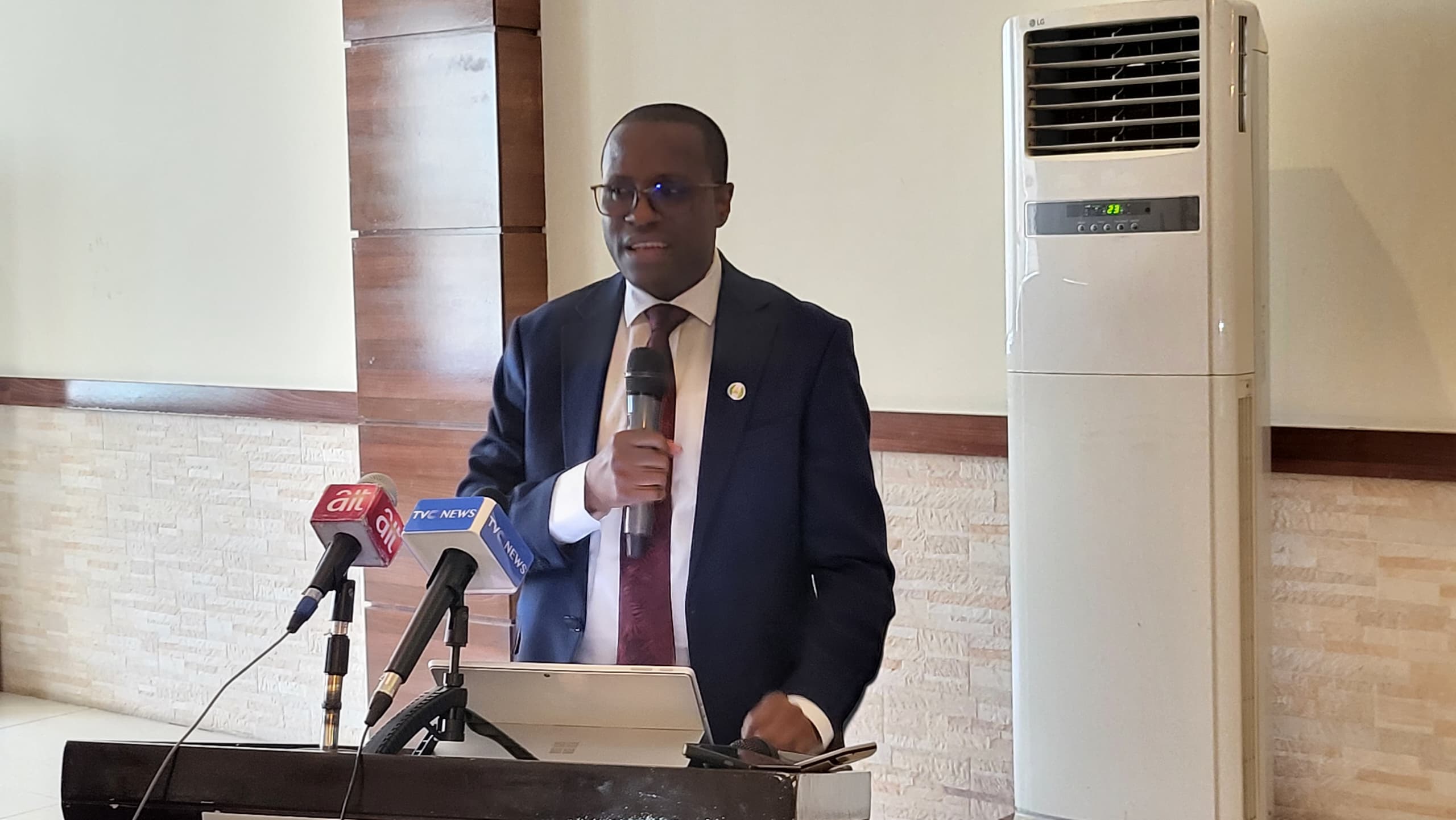
The Chairman of the Independent Corrupt Practices and Other Related Offences Commission (ICPC), Dr. Musa Adamu Aliyu (SAN), says citizens and the media are now at the forefront of Nigeria’s anti-corruption fight, particularly in the North-West and North-East.
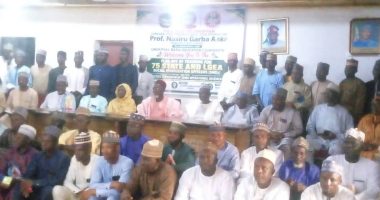
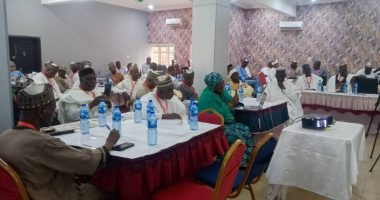
Speaking at a one-day engagement with selected media practitioners on Thursday in Kano, Dr. Aliyu said citizens in the two zones were showing growing courage by resisting and reporting bribery, with refusal and reporting rates hitting record highs.
“According to the UNODC-NBS survey, the North-West recorded the highest bribe refusal rate in the country at 76 percent, while the North-East followed with 60 percent. Reports of bribery in the zones rose from 4.7 percent in 2019 to 13.4 percent in 2023, with formal actions taken on such reports almost tripling within four years,” he noted.
He said the ICPC had strengthened its work across three pillars, enforcement, prevention, and public education, tracking 1,440 projects worth ₦271 billion in the two regions, recovering over ₦7.2 billion in cash, $1.06 million, and seizing multiple assets including buildings, farmlands, and plots of land.
Calling for stronger community engagement, expanded ICPC presence, technology-driven monitoring, and whistleblower protection, Dr. Aliyu urged the National Assembly to fast-track passage of the Whistleblower Bill.
“Citizens of the North-West and North-East have shown that integrity is alive. Refusing bribes, reporting corruption, and standing for what is right are no longer exceptions, they are becoming the norm,” he said.
On enforcement, Dr. Aliyu disclosed that 171 cases were investigated in the regions within two years, with 15 cases filed in court and four convictions recorded in the North-West. He stressed that these outcomes were not just numbers but represented real impacts on ordinary Nigerians, such as traders and displaced families who benefited when stolen or diverted resources were recovered.
Highlighting the role of the media, the ICPC boss said their voices and reports were vital in spreading anti-corruption messages and bridging the gap between citizens and the commission. He urged journalists to support the fight through investigative reporting and fact-based accountability, while avoiding sensationalism.
The event also featured a presentation by Dr. Umar Yakubu, Executive Director of the Center for Fiscal Transparency and Public Integrity, who charged all 774 local government councils in Nigeria to maintain functional websites where approved budgets, revenues, debts, audit reports, and tender notices would be published for public scrutiny.
Dr. Yakubu explained that the proposed Local Government Accountability Framework Manual would focus on five key indicators, financials, open procurement, human resources, citizen engagement, and control of corruption to enhance transparency and prevent abuse of public resources at the grassroots.
COV: Abdulrazaq Kaura