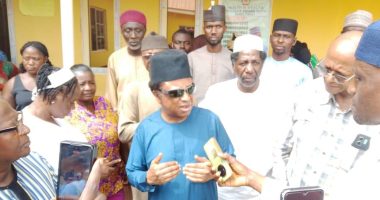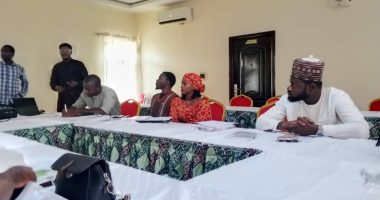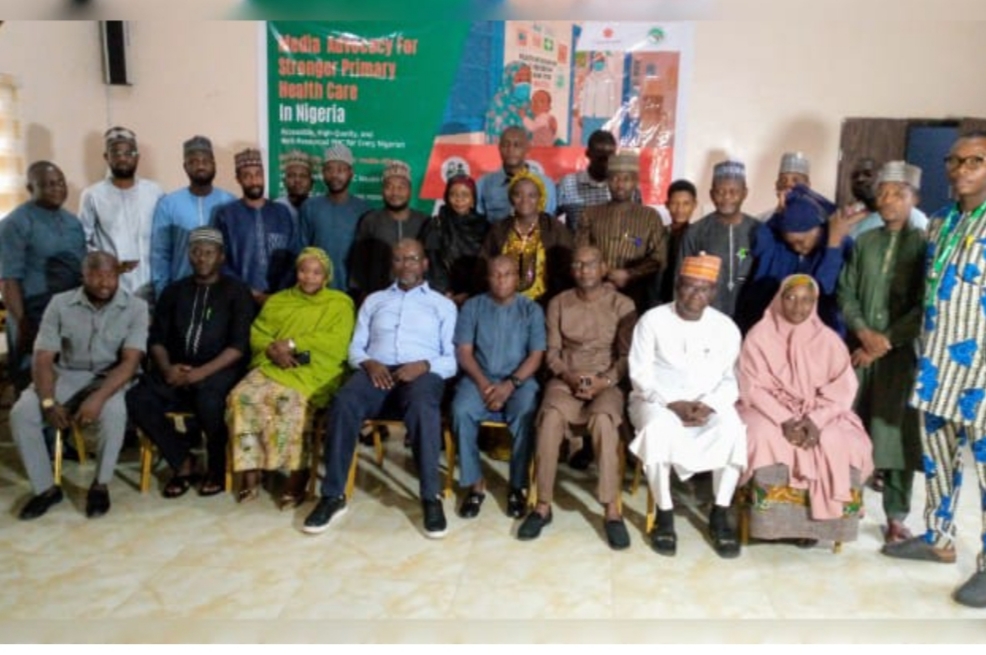

The International Society of Media in Public Health (ISMPH) recently concluded a groundbreaking three-day training workshop for journalists in Kaduna State, focused on enhancing health reporting and bridging the information gap between healthcare providers, stakeholders, and the public.
In collaboration with EngenderHealth, the Centre for Communication and Social Impact (CCSI), Reproductive, Maternal, Newborn, Child, and Adolescent Health (RMNCAH), and the Sector-Wide Approach (SWAp) initiative, the workshop assembled media professionals from across Kaduna to build their capacity for evidence-based, impactful health journalism.
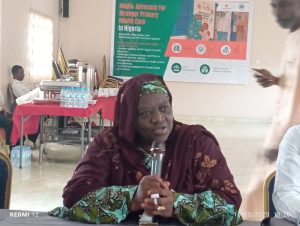
Kaduna State Commissioner for Health, Hajia. Umma Ahmed, emphasized the media’s pivotal role in shaping public perception and influencing health-related behaviors. “The media plays a powerful role in shaping public understanding, attitudes, and behaviors toward health,” she stated.
Hajia. Ahmed highlighted the state’s commitment to healthcare, with 16.7% of its budget allocated to health, alongside significant investments in infrastructure and human resources, including the recruitment of 1,800 health workers.
“Reforms cannot succeed without media involvement,” she stressed, adding that journalists are not just messengers but multipliers who can demystify complex policies, amplify public health messages, and hold leadership accountable.
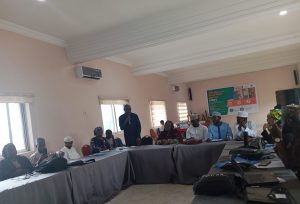
Dr. Anthony Shamang, a health systems consultant representing the Bill & Melinda Gates Foundation, underscored the importance of the training in ensuring inclusive and responsive healthcare in Kaduna
“Health policies often fail to gain traction due to poor communication,” he noted. “The media has the power to turn data and policy into stories that resonate with both the public and policymakers.” Programme Director Solomon Dogo, representing ISMPH’s Executive
Director Moji Makanjuola, reiterated that the training is part of a broader initiative to improve health communication in Kaduna, Kano, and Niger states, emphasizing the media’s role as a strategic partner in national development.
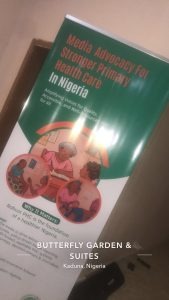
The workshop covered a range of technical topics, including Nigeria’s health system structure, the principles of the Sector-Wide Approach (SWAp), health financing, data-driven storytelling, and ethical considerations in health reporting.
Participants were encouraged to champion community-level health advocacy through accurate, data-rich stories across various platforms, including radio, TV, print, and digital media. By strengthening the media’s capacity, organizers aim to improve public understanding and drive behavioral change in addressing health challenges in Kaduna and beyond.
This initiative represents a significant step toward empowering journalists to shape health narratives and contribute to a healthier, more informed society.
COV/Fadila Yunusa