
Stakeholders in agriculture have advocated irrigation farming as a way of promoting food insecurity in the country.
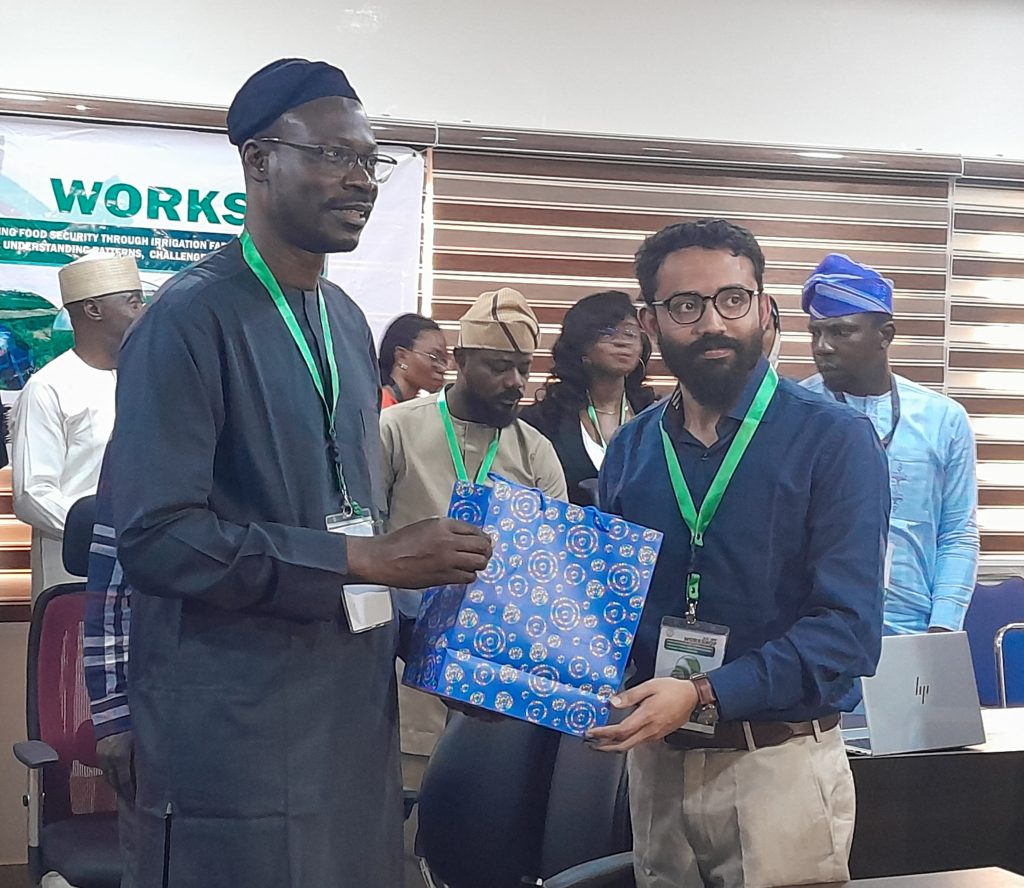
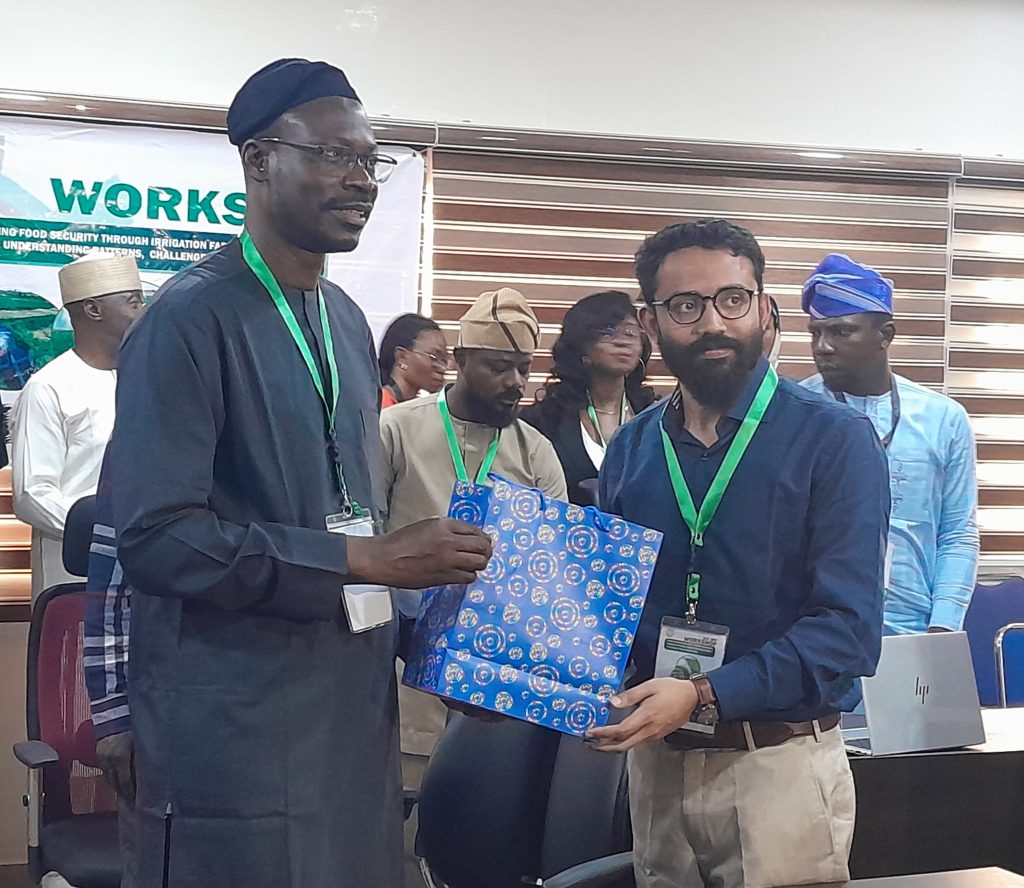
They made the call at a 2-day workshop on “Enhancing food security through irrigation farming in Nigeria: Understanding patterns, challenges and opportunities” organised by The National Space Research and Development Agency NASRDA in collaboration with University of Delaware and The International Institute of Tropical Agriculture (IITA) in Abuja.
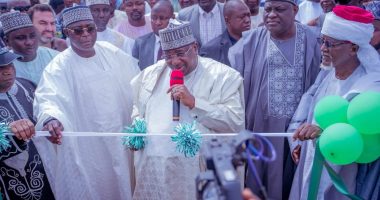
The Director General of The National Space Research and Development Agency NASRDA, Dr Halilu Shaba while declaring the workshop open, said Nigeria currently uses less than 3% of its considerable irrigation potential, especially during the dry seasons, which has led to significant imports of agricultural products to enhance food security
Dr. Shaba said that the workshop, aims to find a solution to this problem by identifying potential water sources for irrigation, tapping into both surface and underground reserves as well as discussing effective irrigation patterns and techniques that are sustainable and can be adapted to Nigeria’s varied ecological zones.
“As someone deeply rooted in the farming community, I am profoundly aware of the significance of this workshop. My personal journey as a farmer has reinforced my conviction that the most viable path for Nigeria to meet the Sustainable Development Goals (SDGs) by 2030 lies in enhancing our agricultural productivity across the board. Together, through our discussions, collaborations, and actions during and following this workshop, we can set the stage for a transformative leap in Nigeria’s agricultural sector, paving the way for a future where food security and sustainability are not just goals but tangible realities.” He said.
A scientific officer at NASRDA, Alhaji Momoh Yusuf who gave an overview of agriculture, and water related projects, of the agency, mentioned some of the projects to include, crop watch program, NASA harvest mapping, Mapping and assessment of cashew plantation in Nasarawa state and creation of stream flow maps to help show the exact position of ground water amongst others.
The Director of Strategic Space Application NASRDA, Dr. Mathew Adepoju said the introduction of technologies from NASRDA into agriculture will increase the farmers’ outputs.
A representative of the University of Delaware, Dr Kyle Davis, in his remark, said that the university’s collaboration with NASRDA aims to achieve food security and improved irrigation in Nigeria through the use of artificial intelligence and machine learning and geospatial tools .
“We are well aware that Nigeria is the most populous African nation and it’s a major food producer and home to millions of farmers and that it’s blessed with abundant natural resources. But at the same time, there are lots of challenges in terms of what information is available related to agriculture, and what the needs are of a variety of stakeholders, including all of yourselves here. And so we’re interested in working together to try and address some really critical but fundamental questions within the country” He said.
The Dean, faculty of agriculture University of Abuja, Professor Hakim Oyenide, added that irrigation farming would be a new drive for a wholesome agricultural practice that will feed the nation.
The two day workshop on had Stakeholders from The Nigerian Meteorological Agency (NIMET), Federal Ministry of Agriculture and Rural Development, Ministry of Water resources, amongst others.
RN