
….And Achieve Zero Mother-To-Child HIV Transmission
By Sani Sulaiman
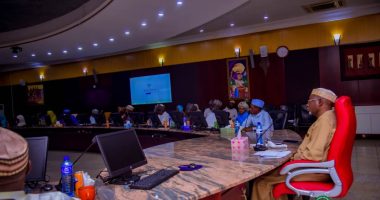
The State Advocacy Team of the Association of Civil Society in Malaria Control, Immunization and Nutrition (ACOMIN), Taraba State, on Monday, 16 November 2026, took its campaign for improved access to essential health commodities and the elimination of mother-to-child transmission of HIV to key stakeholders in Jalingo.
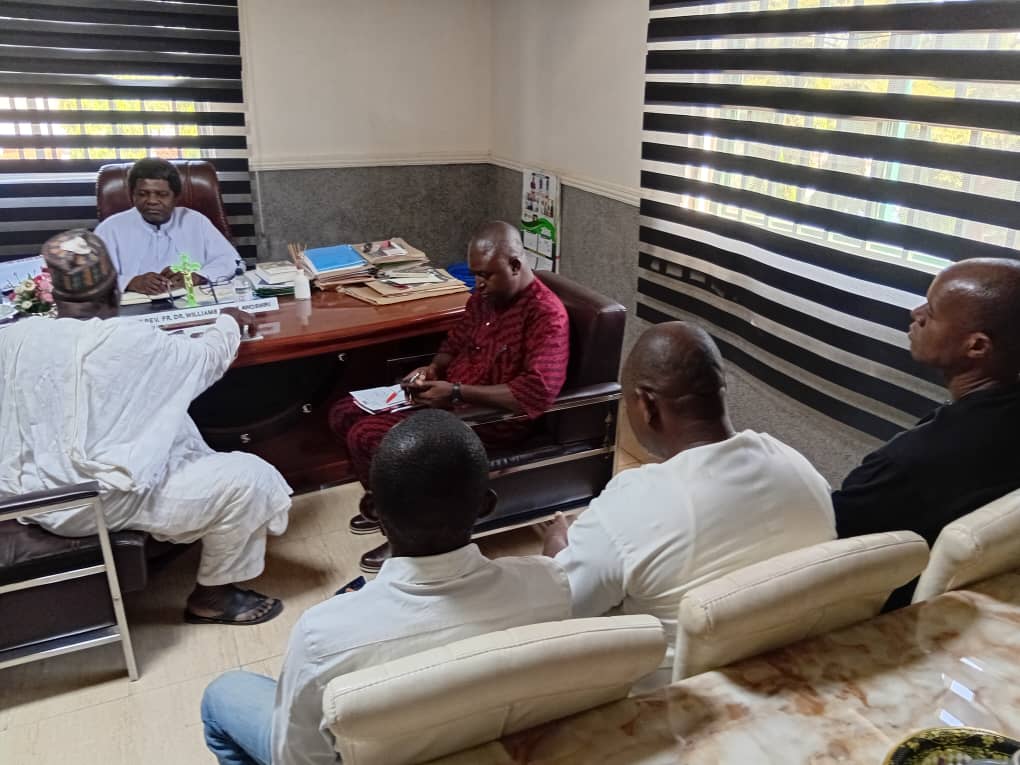
The advocacy visits, which included Guinness Nigeria, the Christian Association of Nigeria (CAN), Taraba State Chapter, and the National Association of Patent and Proprietary Medicine Dealers (NAPPMD), Taraba State Chapter, were aimed at mobilising support to address persistent gaps in HIV testing and malaria prevention services across primary healthcare facilities in the state.
The visits were conducted under the GF/IHVN/ACOMIN Integrated Community-Led Monitoring (CLM) Project, implemented as part of the Global Fund GC7 Community Component. The delegation was led by the ACOMIN Taraba State Chairman, Alhaji Muhammad Tanko Danburam.
During the engagements, Alhaji Danburam drew attention to the persistent shortage of HIV testing strips in facilities providing antenatal care (ANC) services. He stressed that antenatal clinics are critical entry points for identifying pregnant women living with HIV, linking them to treatment and preventing transmission of the virus to their babies.
He warned that continued shortages of testing commodities could undermine efforts towards achieving Taraba State’s target of zero mother-to-child transmission of HIV by 2030. He therefore called on stakeholders to support efforts to ensure the regular availability of HIV testing supplies at primary healthcare facilities.
To demonstrate the extent of the problem, the team presented findings from community-led monitoring across several local government areas. The findings revealed stock-outs of HIV testing strips at Ndaforo Primary Health Care Centre (PHCC) in Kurmi LGA and Dakka Town Primary Health Centre (PHC) in Bali LGA. Routine insecticide-treated nets (ITNs) were also unavailable at Dakka Town PHC, while sulfadoxine-pyrimethamine (SP), used to prevent malaria among pregnant women, was reported out of stock at Wapanghaku PHCC in Wukari LGA and Nwuhwa PHC in Donga LGA.
The team explained that these shortages have serious consequences for communities, as they discourage people from seeking care, expose pregnant women and young children to preventable malaria infections, and limit opportunities for the early detection of HIV.
At the meeting with CAN, the delegation also raised concerns about inadequate community awareness of free malaria commodities provided through the Global Fund at public health facilities. The facilities highlighted included Posoki PHC in Donga LGA, Mbakpa PHC and Chanchanji PHCC in Takum LGA, and Maihula PHCC in Bali LGA.
According to the team, many pregnant women and parents of young children remain unaware that these essential commodities are available free of charge. This lack of information often discourages timely health-seeking behaviour, leaving vulnerable families at greater risk of preventable illnesses.
The stakeholders received the delegation warmly and expressed willingness to support the campaign.
At Guinness Nigeria, the company’s Trade and Activation Manager in Jalingo undertook to forward ACOMIN’s requests to the company’s headquarters for consideration.
The CAN State Chairman, Rev. Fr. Williams P. Awoshiri, also pledged to help spread the message through churches and the Association’s various platforms. He further expressed willingness to encourage individuals to contribute financial support towards addressing the identified gaps.
At the National Association of Patent and Proprietary Medicine Dealers (NAPPMD), Taraba State Chapter, the State President, Alhaji Abubakar Jimilu Prince, undertook to present the issues raised by ACOMIN to the Association’s General Council and provide feedback on the outcome on or before 15 December 2026.
The engagements marked another step in ACOMIN Taraba’s efforts to bring government, corporate organisations, faith-based institutions, professional associations and community stakeholders together to address gaps in essential health services.
Through these partnerships, ACOMIN hopes to strengthen community awareness, improve access to life-saving health commodities and ensure that no pregnant woman or child is left vulnerable because of preventable shortages in primary healthcare facilities.