
By Khadija Kubau
Stakeholders in Kaduna State have reaffirmed their commitment to reducing maternal mortality through the implementation of the mamaBase Programme, following the dissemination of findings from the programme’s baseline assessment under the Maternal and Reproductive Health (MRH) Collective Project.
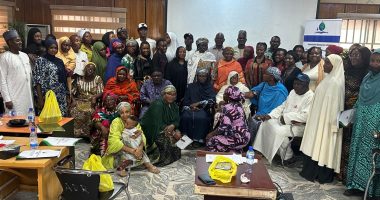
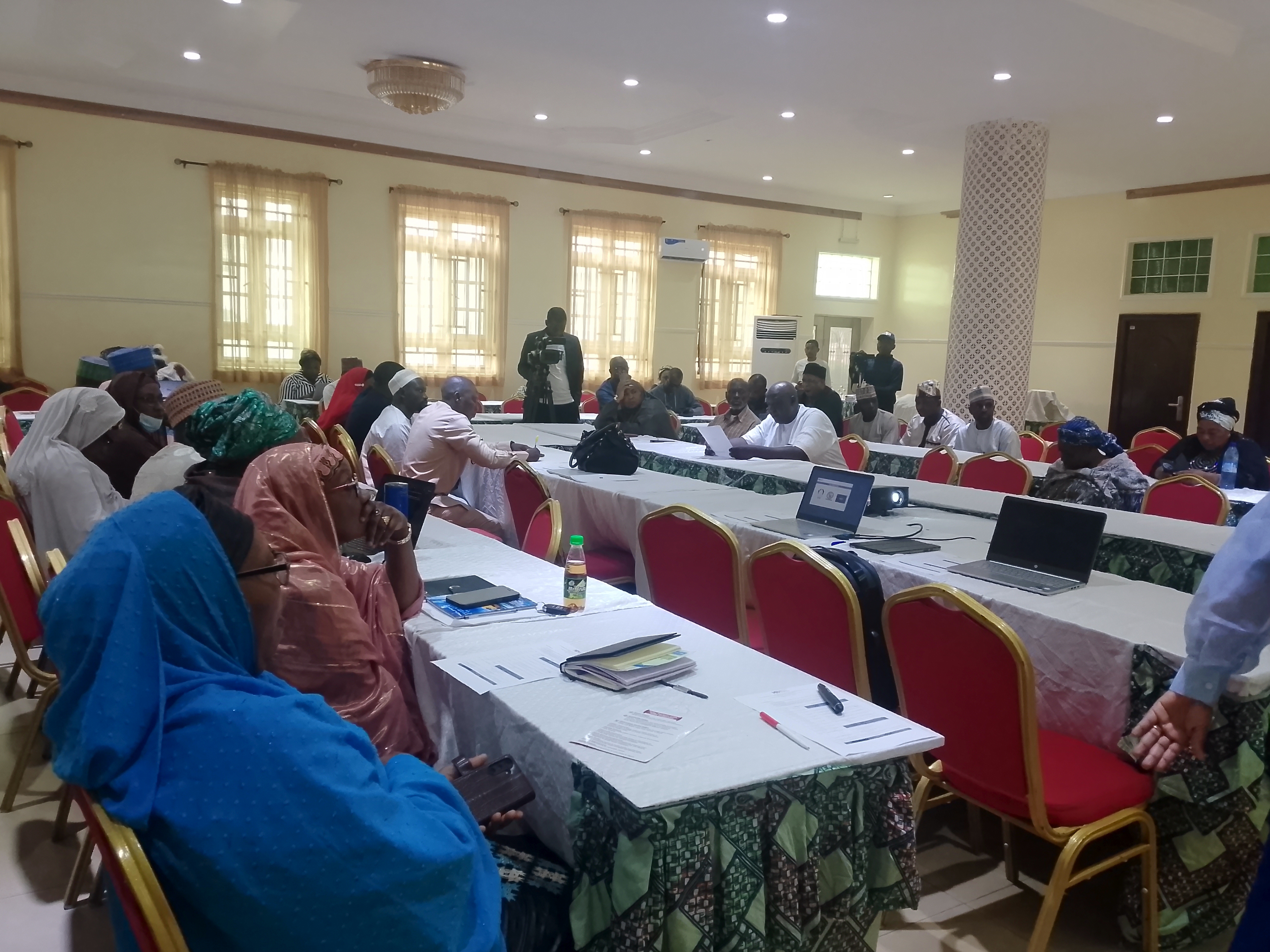
The dissemination meeting brought together officials of the Federal Ministry of Health and Social Welfare, Kaduna State Ministry of Health, the Kaduna State Primary Health Care Board, development partners and other stakeholders to review the findings of the baseline evaluation, identify implementation gaps and strengthen collaboration for the successful rollout of the initiative.
In his remarks, the Director of Reproductive Health at the Federal Ministry of Health and Social Welfare, Dr. Samuel Oyeniyi, described the baseline assessment as a critical milestone that would provide evidence for designing interventions tailored to the realities and needs of women and communities in Kaduna State.
The Director who was represented by an Assistant Chief Nursing Officer, Asabe Kaigama said the dissemination meeting was aimed at reviewing the study findings, gathering stakeholders’ feedback and fostering ownership to ensure the sustainability of the mamaBase programme.
“The Federal Ministry of Health and Social Welfare appreciates the commitment of all partners and stakeholders whose collaboration has brought us to this important milestone. The evidence generated through this assessment will guide the implementation of interventions that are responsive to the needs of our communities,” he said.
Dr. Oyeniyi urged participants to actively contribute their expertise in aligning the project’s activities with existing state structures to improve maternal and reproductive health outcomes.
Executive Director of the Maternal and Reproductive Health Collective, Dr. Olajumoke Oke, explained that the organisation partners with government agencies to conduct research, implement interventions and advocate policies that improve access to quality healthcare for women and girls, particularly those in underserved communities.
He said the mamaBase intervention was developed after extensive research and is designed to support pregnant women throughout pregnancy by linking them with primary healthcare facilities and ensuring skilled delivery services.
According to him, Kaduna State was selected because of its high burden of maternal mortality despite ongoing efforts by government and development partners to address the challenge.
“Many maternal deaths are preventable. Our goal is to improve access to quality maternal healthcare and reduce the number of women dying from preventable pregnancy-related complications,” he said.
Dr. Oke noted that the programme is being implemented in 11 local government areas of Kaduna State and is designed to complement existing maternal health interventions rather than duplicate them.
He commended the Kaduna State Ministry of Health, the Kaduna State Primary Health Care Board and other stakeholders for their strong support from the planning stage through the baseline evaluation.
“We have received tremendous support from the state. They guided us on the selection of intervention locations, the type of personnel required and how to adapt the programme to Kaduna’s unique context. Every state is different, so interventions must be tailored to local realities,” he explained.
He added that the MRH Collective is collaborating with partners working on maternal and perinatal mental health, as well as other ongoing maternal health initiatives in the state, to ensure coordinated implementation and greater impact.
Also speaking, the Health Secretary of Kauru Local Government Area, Dr. Aminu Hamatoni, described the initiative as timely, saying it would significantly reduce maternal mortality by removing financial barriers that prevent pregnant women from accessing healthcare.
He explained that the provision of free delivery commodities would encourage more women to attend antenatal care and deliver in health facilities where complications can be detected and managed promptly.
“Many pregnant women cannot afford the cost of delivery items, which discourages them from seeking care. This programme will reduce that burden, increase attendance at antenatal clinics and encourage more facility-based deliveries, ultimately reducing maternal deaths,” he said.
Stakeholders at the meeting expressed optimism that the findings of the baseline assessment would provide a strong foundation for the effective implementation of the mamaBase programme and contribute to improved maternal and reproductive health outcomes across Kaduna State.