The Reaching Out-of-School Children (ROOSC) Project in Kaduna State has commenced the construction of 16 new schools and the renovation of 30 existing primary schools across nine local government areas to improve access to quality and inclusive basic education.
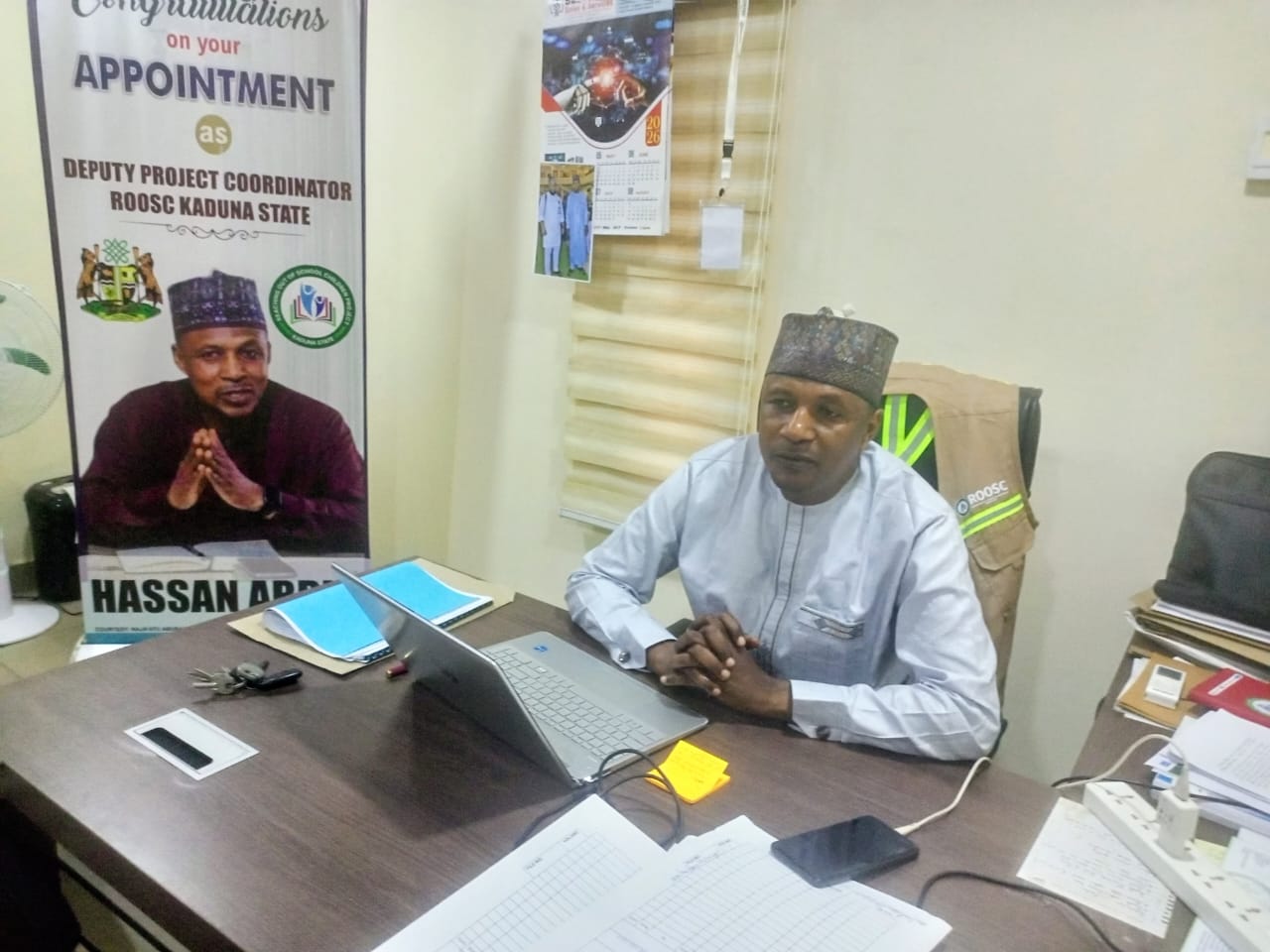
Deputy Project Coordinator of the ROOSC Project, Mallam Hassan Abdul, disclosed this while highlighting achievements recorded since the project’s commencement in April 2024.
He said the civil works component is currently underway, with contracts awarded to 16 contractors and completion expected within six months.
According to him, the schools are being constructed and renovated in Sabon Gari, Soba, Lere, Kaduna North, Kaduna South, Igabi, Jema’a, Kaura and Kachia local government areas.
The intervention also includes Tsangaya learning centres designed to provide educational opportunities for underserved children.
Mallam Abdul explained that the project is focused on expanding learning spaces, particularly in hard-to-reach communities where schools are either unavailable or located far from residential areas.
He said the new facilities would enable more children to access equitable and inclusive education within their communities.
He noted that the four-year project, which became effective on April 28, 2024, has already exceeded its first-year enrolment target.
While the initial goal was to enrol 10,000 out-of-school children, the project has so far enrolled more than 15,000 through various educational interventions.
The Deputy Project Coordinator attributed the achievement to the establishment of Catch-Up Clubs and Alternative Learning Centres implemented by development partner Save the Children.
The Catch-Up Clubs provide three months of foundational learning for children aged six to eleven who have never attended school, while the Alternative Learning Centres offer a nine-month accelerated curriculum for children aged nine to sixteen.
Abdul said the project aims to return at least 100,000 out-of-school children to classrooms before the end of its lifespan and expressed confidence that the target would be surpassed.
He added that the overall programme includes the construction of 102 new schools and the renovation of 170 existing schools across Kaduna State.
He explained that communities benefiting from the intervention are selected based on data generated from out-of-school children mapping exercises to ensure resources are directed to areas with the highest number of affected children.
Despite the progress recorded, Abdul identified community acceptance, inadequate land for school construction and security concerns in some locations as major challenges.
However, he noted that the improving security situation in parts of the state has enhanced project implementation and increased access to more communities.
He reaffirmed the project’s commitment to providing quality basic education for children from Primary One to Junior Secondary School Three, particularly those currently excluded from formal learning opportunities.
Int/Shindong Bala