
Writing By Shindong Bala Editing By Godwin Duru
Kaduna State Government has announced plans to harmonize social protection interventions across its Ministries, Departments, and Agencies (MDAs) as part of broader efforts to strengthen support systems for vulnerable populations and improve coordination in welfare delivery.
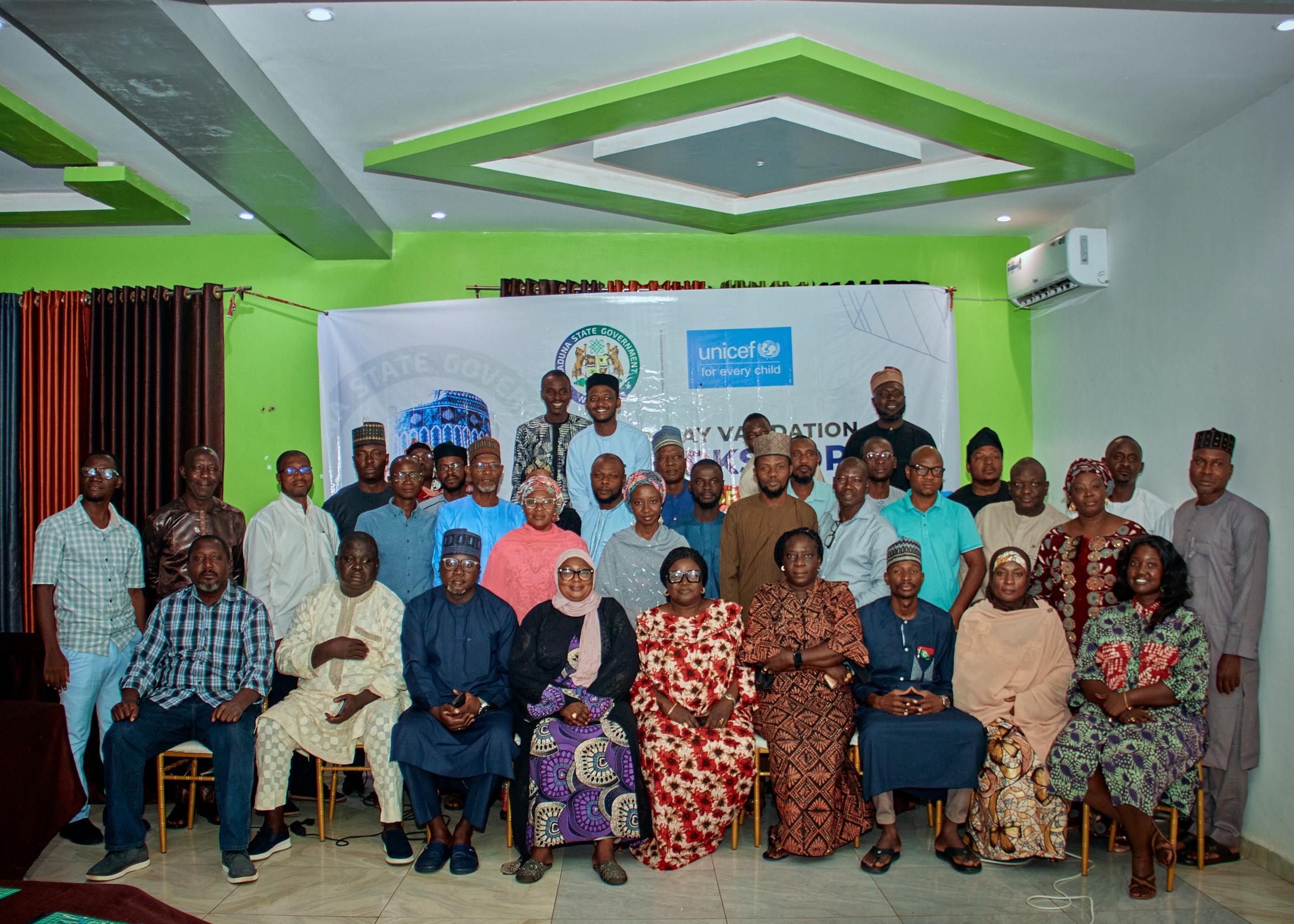
The move was unveiled during a two-day validation workshop on the Kaduna State Social Protection Mapping Report, convened in partnership with UNICEF in Kaduna.
The exercise is aimed at developing a more integrated, evidence-driven social protection framework capable of addressing poverty, inequality, and economic vulnerability across the state.
Special Adviser to the Governor on Social Protection, Mrs. Bridget Sulaiman, said the review of the state’s social protection framework would help align interventions implemented by different government institutions, reduce duplication, and improve the efficiency of service delivery.
Represented by Senior Special Assistant on Social Investment, Hajiya Falmata Abacha, Sulaiman described the workshop as a significant step toward building a “coordinated, inclusive, responsive, and evidence-based” social protection system.
According to her, the mapping report will serve as a strategic tool for policy development, planning, resource mobilization, and targeted interventions for vulnerable individuals, households, and communities.
“This workshop marks another important milestone in our collective effort to strengthen systems that support vulnerable people across Kaduna State,”
she urged stakeholders to make meaningful contributions toward producing a credible and actionable document.
The mapping initiative follows a Strategic Social Protection Programme Mapping and Stakeholders’ Orientation held in September 2025 with support from UNICEF.
The earlier engagement presented preliminary findings and sought to deepen collaboration, accountability, and coordination among agencies and development partners operating within the social protection sector.
Mrs. Bridget commended development partners, state MDAs, the Kaduna Social Protection Accountability Coalition (KADSPAC), and technical teams for their contributions to the process.
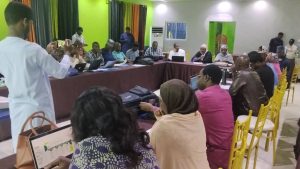
Speaking at the workshop, UNICEF representative Mrs. Wakidara Akila emphasized the importance of validating the report to ensure accuracy, inclusiveness, and effectiveness in programme implementation.
She noted that a harmonized social protection database and strategy would help close service gaps, prevent exclusion errors, and ensure that assistance reaches intended beneficiaries.
“If we work together as stakeholders in social protection, we can bridge existing gaps and expand access to vulnerable groups who need these interventions most,” Akila said.
She acknowledged Kaduna State’s progress in advancing social protection reforms , but stressed the need for stronger institutional coordination and a more comprehensive approach to ensure that no community is left behind.
Mrs. Akila also disclosed that UNICEF is exploring additional support for Kaduna State’s emergency shock-response systems in collaboration with the Ministry of Humanitarian Affairs, with the aim of improving preparedness and response mechanisms during crises.
Presenting highlights of the mapping report, facilitator and KADSPAC Chairperson Jessica Barthlomew said the exercise was designed to identify existing social protection programmes across the state, assess the institutions implementing them, evaluate government financing commitments, and analyze the geographic spread of beneficiaries.
“We want to understand what programmes currently exist, which MDAs are implementing them, the level of government financial commitment, and who the beneficiaries are across Kaduna State,” she explained.
Jessica Barthlomew added that the validation process would help refine and finalize the document before adoption and implementation.
Kaduna State has emerged as one of Nigeria’s leading sub-national governments in institutionalizing social protection reforms.
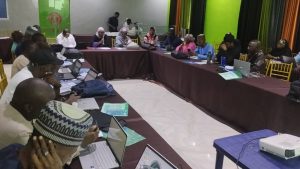
The state adopted its Social Protection Policy in 2019 and became the first in Nigeria to dedicate one percent of its Internally Generated Revenue to social protection financing.
In August 2020, the state executive council approved the Kaduna State Social Protection Policy, while the Kaduna State Social Security Law was enacted in July 2023.
Governor Uba Sani later signed Executive Order 001 on Financial Inclusion in 2023, followed by the establishment of the Kaduna State Social Investment Agency in 2024.
State officials say the government is continuing to strengthen institutional capacity, expand funding mechanisms, and improve programme delivery as part of efforts to build a sustainable and inclusive social protection system for residents.
Cov/SHINDONG BALA