By Adamu Yusuf
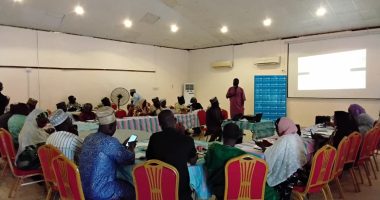
The Kaduna State Basic Education Accountability Mechanism (KADBEAM) has taken a significant step in strengthening internal democracy and institutional accountability with the successful conduct of elections into its leadership positions on Saturday, the first since its establishment in 2018.
The elections mark a historic transition from a selection-based leadership process to a democratic system, reflecting the platform’s growing commitment to transparency, inclusiveness, and collective ownership among its members.
For a mechanism built on promoting accountability in governance, particularly within the education sector, the move is widely seen as aligning its internal processes with the very principles it advocates externally.
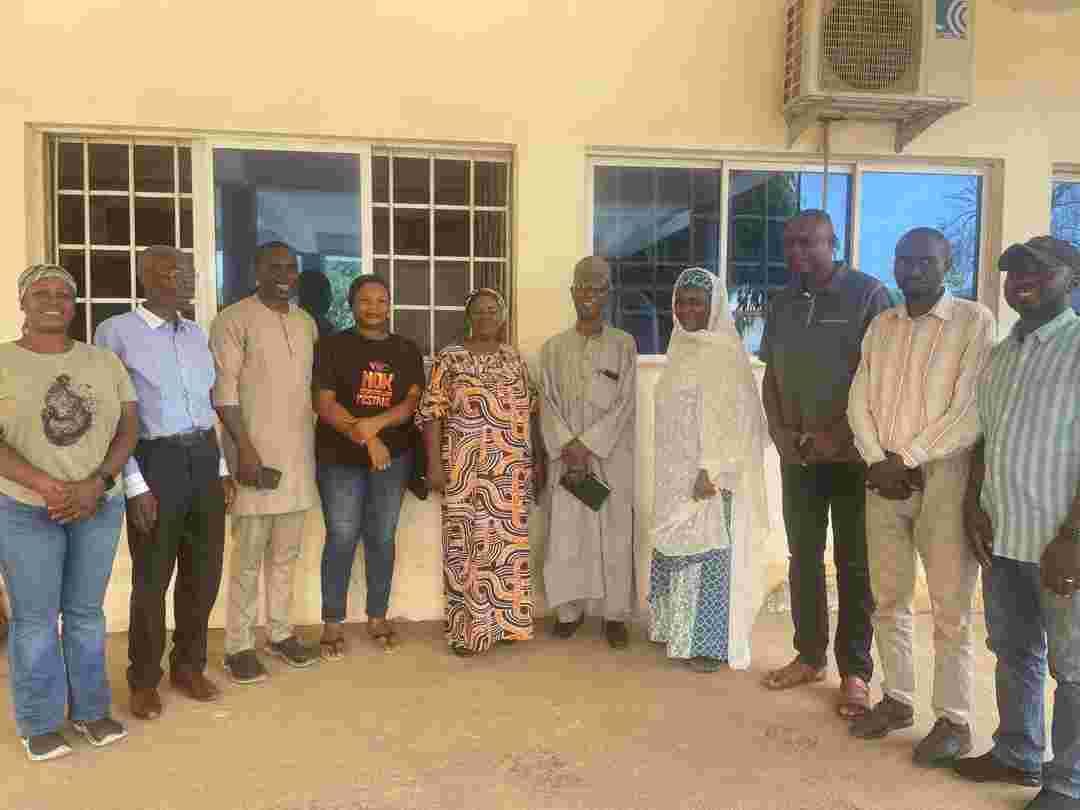
At the end of the exercise, Rahila Baita Ishaku emerged as the new Co-Chair representing Civil Society, alongside Hafsatu Abubakar Ibrahim who was elected Deputy Co-Chair. Simeon Olatunde secured the position of Secretary, while Ilenikhenan Goddey emerged as Financial Secretary. Abdulsalam Bashir Rilwan was elected Treasurer, Alex Uangbaoje as Lead of the Knowledge Management and Communication Technical Working Group, and Itama Okhuelegbe as Lead of the Evidence Technical Working Group.
However, the positions of Assistant Secretary and Lead, Advocacy Technical Working Group remain vacant, leaving room for further engagement within the platform.
KADBEAM was established in 2018 as a strategic partnership between civil society organisations working in the education sector and the Kaduna State Government, particularly the Ministry of Education.
Its primary mandate is to strengthen accountability in governance, with a focus on improving outcomes in the basic education sector.
Over the years, the mechanism has evolved beyond its initial scope, expanding its work to address broader governance and accountability issues across sectors.
Through its activities, KADBEAM has served as a bridge between citizens and government, leveraging research, data analysis, and evidence-based advocacy to track progress and hold duty bearers accountable.
By developing assessments and presenting findings to the public using a scorecard system, the platform has contributed to increased transparency and informed public discourse on service delivery in Kaduna State.
In her acceptance speech, the newly elected Co-Chair, Rahila Baita Ishaku, expressed gratitude for the confidence reposed in her and pledged to build on the existing foundation to move the platform forward.
She acknowledged the contributions of the outgoing leadership and commended members for their resilience and commitment, noting that their sacrifices in attending meetings and participating in activities, despite prevailing economic challenges, were critical to the success of the platform.
She emphasised the need for unity among members, stressing that the election process was over and that all stakeholders must now work together towards a common goal.
According to her, the strength of KADBEAM lies in its collective resolve, and achieving its targets would require sustained collaboration, inclusiveness, and focus.
Also speaking, the outgoing Co-Chair, Aliyu Ahmed, congratulated members on the successful conclusion of the electoral process, describing the debates and exchanges that characterised the exercise as a sign of a vibrant and committed organisation.
He noted that leadership within KADBEAM goes beyond holding office, and assured members of his continued support for the platform even after leaving office.
He urged the newly elected leaders to remain committed to the shared vision of the mechanism, emphasising the need for unity, sacrifice, and dedication in advancing its objectives.
He expressed confidence in the ability of the new leadership to build on existing gains and steer the platform to greater heights.
The Chairman of the Electoral Committee, Femi Johnson also highlighted the challenges and efforts involved in delivering a credible process, noting that although members shared familiarity and a sense of community, the committee had to ensure that the exercise was conducted with fairness, transparency, and integrity.
He explained that the committee worked closely with KADBEAM management to address sensitive issues such as voter eligibility and active membership, recognising the importance of shared responsibility in maintaining credibility.
Femi added that the committee adopted flexible voting approaches, accommodating both virtual and physical participation in response to members’ preferences, with the aim of ensuring inclusiveness and preventing any sense of exclusion.
He commended members for their patience, cooperation, and active participation, which he said were instrumental in the successful conduct of the elections.
He stressed that the ultimate goal of the committee was to ensure that no member would question the legitimacy of the process, and expressed satisfaction that the exercise was conducted in a manner that reflected the values of the platform.
The successful conduct of the elections is being viewed as a defining moment for KADBEAM, reinforcing its credibility as a model for accountability and participatory governance.
As the platform continues to evolve, stakeholders say the transition to a democratic leadership structure is expected to deepen trust, strengthen collaboration, and enhance its impact in promoting transparency and effective service delivery in Kaduna State.