
By Khadija Kubau
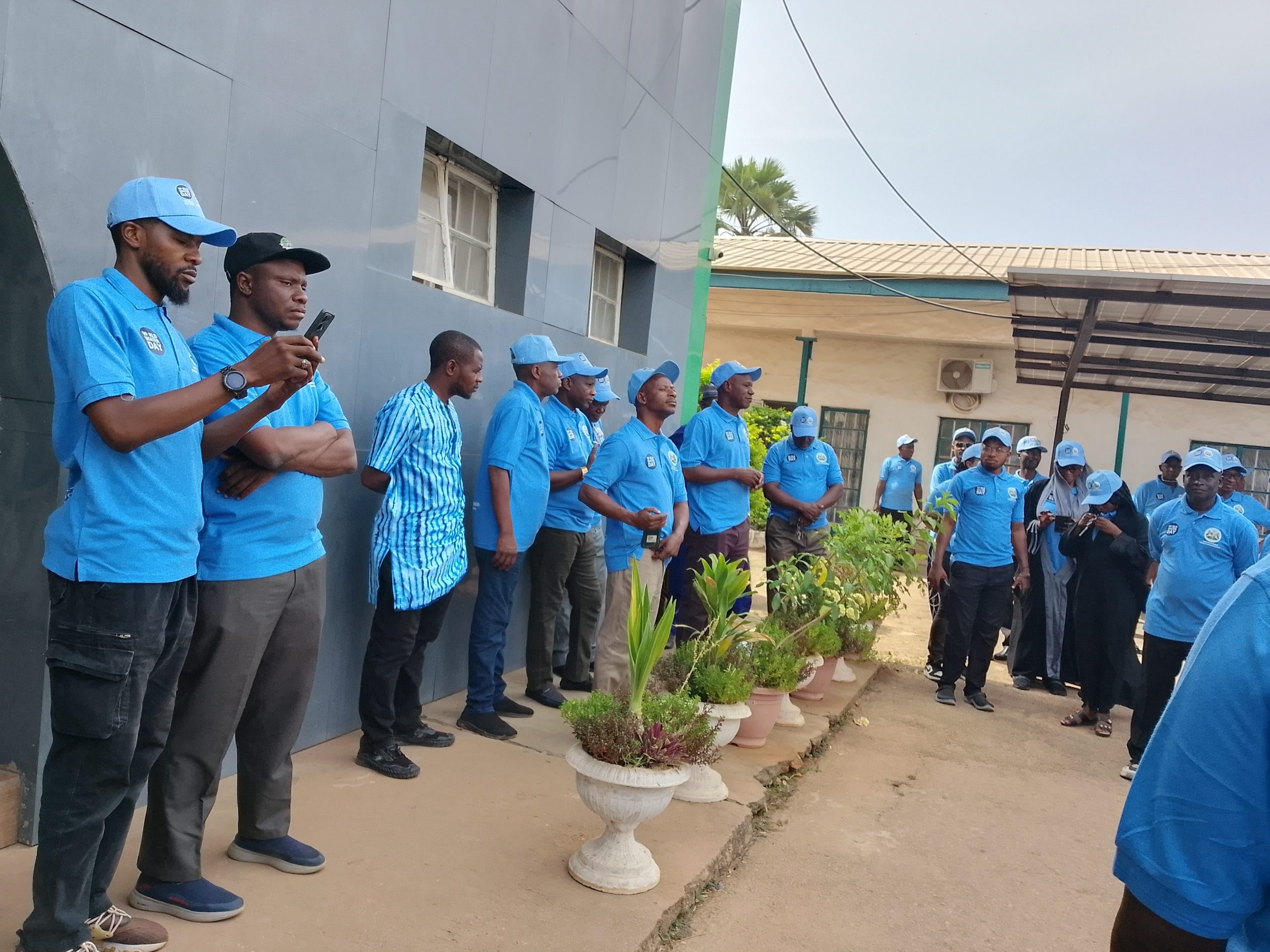
The Kaduna State Government has intensified efforts to expand water infrastructure and promote inclusive water governance, placing rural communities and women at the center of its strategy as it marked World Water Day 2026.
The renewed focus aligns with this year’s theme, “Water and Gender: Where Water Flows, Equality Grows,” which highlights the need to address inequalities in water access, particularly among women and girls.
Speaking during a press briefing, the Deputy Director of Water Resources, Engr. David Roven Aliyu, who represented the Permanent Secretary of the Ministry of Public Works and Infrastructure, said the state is prioritizing practical solutions that reduce the burden of water scarcity in rural areas.
He explained that ongoing projects include the drilling of solar-powered and manual boreholes, expansion of water pipelines, and rehabilitation of aging infrastructure to ensure reliable water supply across communities.
According to Aliyu, these interventions are being implemented through key agencies such as the Kaduna State Water Corporation (KADSWAC), the Kaduna State Rural Water Supply and Sanitation Agency, and the Kaduna State Water Services Regulatory Commission (KADWREC).
He added that recent upgrades at major facilities, including the installation of a high-lift pump at Malali Water Works and improvements to Kaduna North and South treatment plants, are already boosting supply in urban centers while easing pressure on surrounding rural areas.
Aliyu emphasized that improving access to water is not only about infrastructure but also about social impact, particularly for women who often spend hours daily fetching water.
“Reducing the distance to water sources means giving women and girls more time for education, livelihoods, and personal development,” he said.
The state is also working closely with development partners such as UNICEF and UN Women to strengthen community-based water management systems and ensure women’s participation in decision-making.
He noted that programmes like the Sustainable Urban and Rural Water Supply Sanitation and Hygiene Program have already improved access to clean water and sanitation for tens of thousands of residents, while complementary initiatives are addressing hygiene, job creation, and menstrual health.
Despite the progress, Aliyu acknowledged persistent challenges, including funding gaps, infrastructure maintenance, and the effects of climate change on water resources.
He said the government is exploring sustainable solutions such as community-managed water schemes, solar-powered systems, and innovative financing models to ensure long-term impact.
Aliyu urged residents to take ownership of water facilities in their communities by protecting infrastructure, promptly reporting faults, and paying water bills to sustain services.
He maintained that the state’s approach is focused on making water not just a basic service, but a tool for empowerment and inclusive development.
“As we expand access,” he said, “we are also expanding opportunities—especially for women and rural communities across Kaduna State.”