By Adamu Yusuf
Katsina State Government has inaugurated the Open Government Partnership (OGP) State Steering Committee, marking a major milestone in the state’s efforts to strengthen transparency, accountability, citizens’ participation, and innovation in governance.
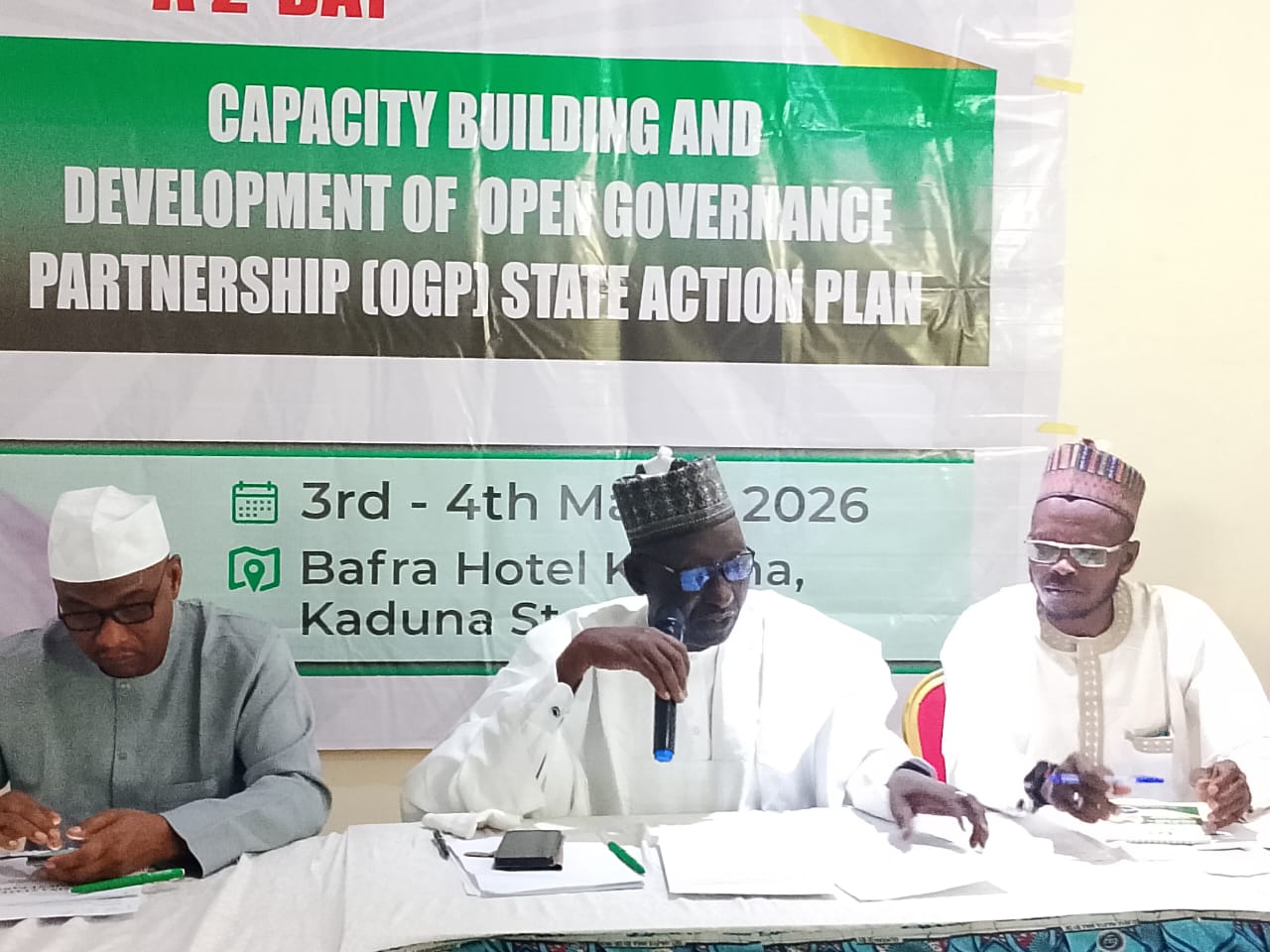
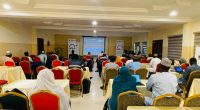
Governor Dikko Umaru Radda inaugurated the Steering Committee and the Technical Working Group at a two-day capacity building and development workshop on the OGP State Action Plan organised by the Katsina State Ministry of Budget and Economic Planning in collaboration with the Open Government Partnership held in Kaduna.
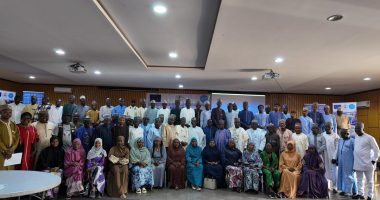
The event brings together top government officials, civil society organisations, technical working groups, development partners, and members of the media to strengthen understanding of the OGP framework and support effective implementation in the state.
Governor Dikko Umaru Radda who was represented by the Secretary to the State Government (SSG), Abdullahi Garba Faskari, described the inauguration as a historic step in Katsina State’s governance reform journey.
He explained that the Open Government Partnership, launched in 2011, is a global initiative aimed at promoting transparent, accountable, and participatory governance.
According to him, Katsina State’s participation reflects its commitment to aligning governance processes with international best practices while remaining responsive to local realities and citizens’ needs.
Governor Radda noted that the newly inaugurated Steering Committee serves as the highest decision-making and oversight body for OGP implementation in the state.
“Its responsibilities include providing strategic direction, approving and overseeing the State Action Plan, fostering collaboration between government and civil society organisations, mobilising resources, monitoring implementation, and resolving policy-level challenges”.
He emphasised that the success of the OGP initiative depends on strong collaboration between government and non-state actors, stressing that open governance cannot be achieved without active citizen engagement and mutual trust.
Governor Radda added that the committee is jointly chaired to ensure balance and inclusiveness, with representatives from both government and civil society.
Earlier in his address, the Government Co-Chair of the OGP process and Commissioner for Budget and Economic Planning, Mallam Malik Anas, said the reforms being pursued under the Open Government Partnership require coordinated action across ministries, departments, and agencies.
He stated that Katsina State’s participation in OGP reflects its determination to promote fiscal transparency, improve access to information, enhance public accountability, and strengthen service delivery.
The Commissioner acknowledged the critical role of civil society organisations, describing the OGP framework as a co-creation process that thrives on collaboration between government and civil society.
He noted that their active participation reinforces a shared commitment to building a governance system that is open, inclusive, responsive, and trusted by the people of Katsina State.
Mallam Malik Anas explained that the workshop would focus on reviewing and refining the zero draft of the State Action Plan, agreeing on clear and measurable commitments, and establishing practical frameworks for implementation, monitoring, and reporting.
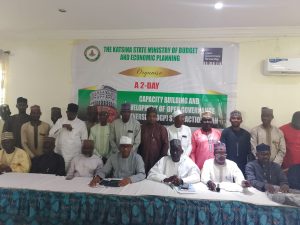
He urged participants to engage constructively to ensure the final document delivers tangible improvements in governance and service delivery, before formally declaring the workshop open.
In his remarks, the Civil Society Organisations Co-Chair, Muhammad Bashir Ruwan Godiya, commended the political will demonstrated by the Katsina State Government in embracing the principles of OGP.
He described the development as a significant milestone towards inclusive governance, noting that transparency, accountability, and citizens’ participation remain the foundation of democratic and responsible leadership.
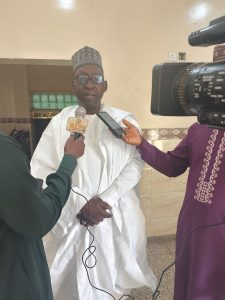
He further observed that citizens’ participation promotes ownership, public support, and the sustainability of government policies and programmes, adding that openness in public administration is essential for the effective and efficient use of public resources.
Stakeholders at the event also noted that while accountability mechanisms already exist in the state, formal participation in OGP would consolidate ongoing reforms and improve governance outcomes.
Participants are being exposed to strategies for citizen engagement, fiscal openness, and inclusive policy formulation.