
The National Hajj Commission of Nigeria, (NAHCON) says the commission will ensure strict regulatory oversight in preparation for the 2026 Hajj exercise.
NAHCON Chairman, Ambassador Ismail Yusuf gave this assurance during a strategic stakeholders’ meeting at the Commission’s headquarters, Hajj House, Abuja.
Ambassador Ismail Yusuf, clarified that the reduction in Hajj quota for 2026 was a global development affecting several countries and not targeted at Nigeria.
He attributed the adjustment to logistical capacity considerations and evolving regulatory measures introduced by Saudi authorities, urging state officials to correct public misconceptions.
Ambassador Yusuf announced that Nigeria’s allocation stands at 40,250 pilgrims, excluding tour operators, but noted that uploaded data exceeded the approved figure.
He directed states to urgently reconcile and withdraw excess entries to prevent operational bottlenecks, stressing that Saudi authorities have fixed a firm visa deadline of 1st Shawwal with no extension expected.
The Commission also warned against substitution on flight manifests due to integration between airline bookings and accommodation systems.
States were instructed to conclude medical screenings, documentation and data uploads within the operational window to ensure timely visa issuance.
Briefing stakeholders on health requirements, Board Member representing the Ministry of Health, Dr Said Dumbulwa, outlined certification measures to include screening at government-recognised hospitals only, mandatory inclusion of Medical and Dental Council registration numbers, digital upload of certificates and private hospitals.
The Chairman announced a reduction in the Yellow Card fee from five thousand naira to two thousand naira following engagement with health authorities.
NAHCON also disclosed plans to monitor airline performance strictly, deploy assessment teams to Saudi Arabia, and ensure prompt refunds for non-travelling pilgrims, while the State Pilgrims Welfare Boards remain primary custodians of pilgrims as the Commission maintains its regulatory role.
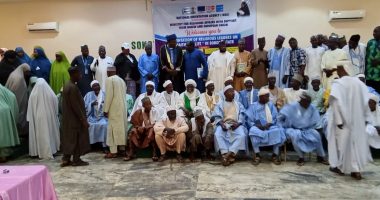
The meeting brought together Commissioners, Board Members, Executive Secretaries and Chairmen of State Muslim Pilgrims Welfare Boards, members of the Forum of State Executive Secretaries, the Medical Mission team and management staff.
RN