
Writing By Shindong Bala; Editing By Godwin Duru
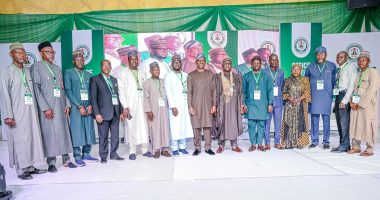
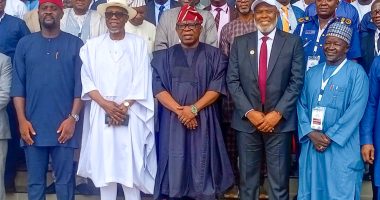
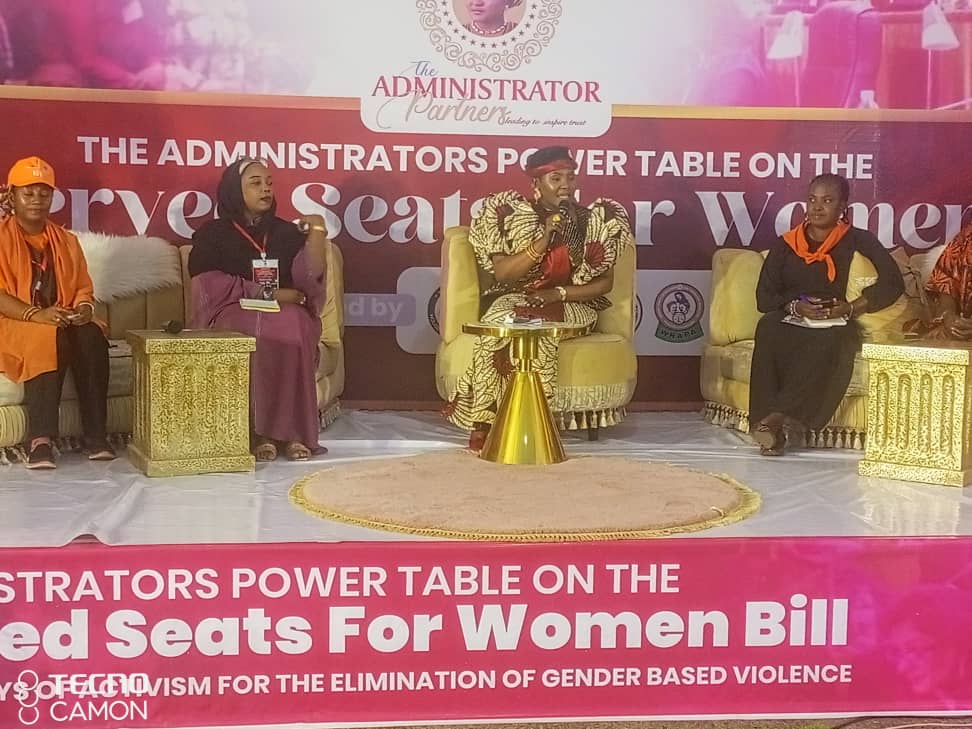
Parliamentary Stakeholders on the Bill seeking Reserved Seats for Women have convened a special session to provide solutions to the gender imbalance in the nation’s political space.
Convener of the meeting and Founder of an NGO, Administrator and Partners Dr. Nita Byack George stated this in Kaduna at the First Kaduna State Parliamentary on the Reserve Seats for Women Bill.
The convener called for deliberate actions and steps towards demonstrating that women truly have vital roles to play in national development.
Dr. Nita Byack George explained that the meeting presents an opportunity for women to add their voices in advocating for the House of Representatives to support the Reserved Seats for Women Bill.
“We will soon have one of our guest speakers who will expand on the concept of the Reserved Seats for Women. I will not reveal too much for now he will do justice to it at the appropriate time.”
“By the end of this event, we are hopeful that every single person seated here will fully understand why Nigeria deserves reserved seats for women in Parliament, in leadership, and in other peace and decision-making processes.”

Kaduna State Attorney General and Commissioner of Justice, Barrister James Kanyip maintained that the event serves as a wake-up call for women to take their destiny into their own hands.
According to Kanyip, the bill proposes 37 seats for women in the National Assembly outside the Senate, meaning that for every state with three senatorial districts, women would have one reserved seat while at the state level, three seats in each House of Assembly are to be reserved for women.
Barrister James Kanyip stressed that no one in Nigeria can successfully win an election without the contribution of women.
“If you can make men politically relevant, what then is wrong with making your own selves politically relevant? Do you truly need men to do that for you? Do you really need legislation to make you politically conscious?”
“Take Kaduna State as an example, we currently have only one woman in the House of Assembly. And before she could even get there, she required massive government support. If she had been left solely in the hands of fellow women, would she have won? It was men that assisted her. Why was that support missing among women?”
A lawyer and gender advocate, Esther Ashivelli Dawaki, expressed strong support for the Reserved Seats for Women Bill, describing it as a bold and necessary intervention to correct the wide gender imbalance in Nigeria’s politics.
She highlighted the long-standing struggle of women for better representation in governance despite systemic barriers.
“Both men and women possess unique capacities to serve however, women perform even better when they receive deliberate support and encouragement from men.”
She expressed concern over the poor representation of women in the National Assembly, stressing that they only occupy about 4 percent of seats in the House of Representatives and approximately 3 percent in the Senate and therefore appealed to men to support the push for increased women’s participation in politics.
The event was convened by the Office of the Administrator in collaboration with key partners, as part of activities marking the 16 Days of Activism for the Elimination of Gender-Based Violence bringing together lawmakers, traditional and religious leaders, civil society actors, and political stakeholders to build consensus and strengthen advocacy for the passage of the bill.
Cov/Shindong Bala