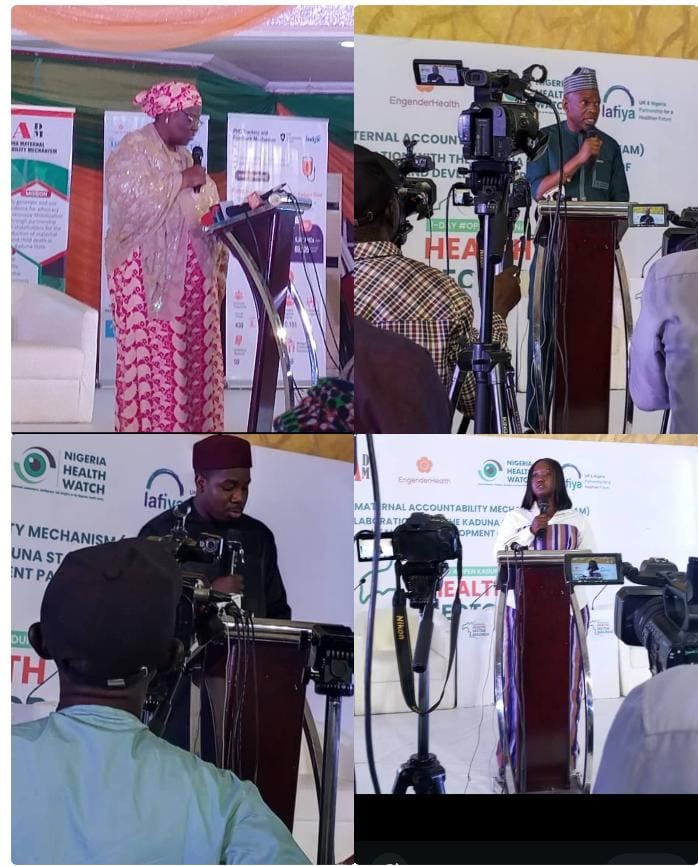
Kaduna State on Thursday convened another impactful edition of the #OpenKadunaHealthSectorDialogue, a citizen-led platform aimed at strengthening transparency, accountability and community participation in the state’s health sector.
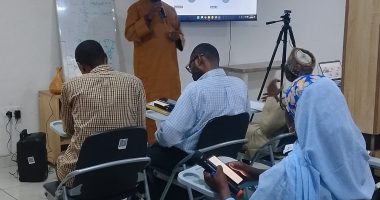
The one-day dialogue brought together government officials, civil society organisations (CSOs), development partners, traditional and religious leaders, media representatives and community groups.
The event, organised by the Maternal Accountability Mechanism in Kaduna Initiative (KADMAM), focused on “Community Accountability in Primary Health Care Financing,” underscoring the need for health spending to align with community needs and produce measurable improvements in service delivery.
In her remarks, the Deputy Governor of Kaduna State, Dr Hadiza Sabuwa Balarabe, represented by the Honourable Commissioner for Health, Hajiya Umma K. Ahmed, commended KADMAM and its partners for sustaining a platform that promotes transparency and strengthens public trust.
She noted that the inclusion of CSOs, community structures, traditional institutions, development partners and health officials demonstrates the state’s commitment to participatory governance.
She reiterated the government’s resolve to ensure that PHC financing is transparent, inclusive and results-driven, adding that citizen engagement is essential for achieving improved maternal, newborn and child health outcomes across the state.
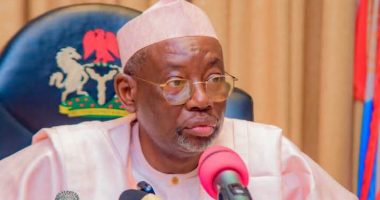
In his remarks, the Emir of Zazzau, Amb. Ahmed Nuhu Bamalli, praised KADMAM for driving a culture of accountability within the health sector.
He highlighted the critical role traditional rulers play in mobilising communities, encouraging antenatal attendance, promoting skilled delivery and ensuring complete childhood immunisation.
“The health of our mothers and children remains the foundation of a prosperous society,” he said, pledging intensified grassroots sensitization across the Zazzau Emirate.
Delivering the welcome address, the KADMAM Co-Chair, Garba Mohammed emphasised that the #OpenKaduna platform enables citizens to track health budgets, verify utilisation through facility spot checks and engage directly with policymakers.
He welcomed delegates from the State-Level Accountability Mechanisms (SLAMs) in Lagos and Kano, noting that their presence strengthens a growing national accountability network.
Representing the Open Government Partnership (OGP), Mubarak Abdulganiyi Al-Ameer described the dialogue as a milestone in the implementation of Kaduna’s State Action Plan, particularly in improving transparency within the health sector.
He outlined recommendations for deepening progress, including institutionalising citizen participation, strengthening open-data practices, enhancing collaboration with civil society and improving accountability systems at PHC level.
Development partners, including CHAI, Pathfinder International, BudgIT, FCDO Lafiya, ISMPH, Engender Health Consortium and others, were commended for their technical and financial support toward strengthening health governance in the state.
Stakeholders agreed that the dialogue represents a continued commitment to building an inclusive, transparent and people-centred health system. With sustained collaboration, Kaduna State aims to remain a leading model for open governance and accountable healthcare delivery in Nigeria.
COV: Khadija Kubau