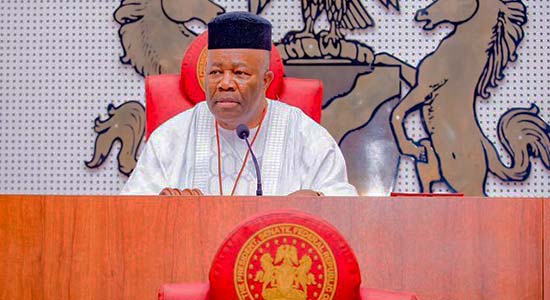
Speaker of the House of Representatives, Dr. Abbas Tajudeen, has expressed disappointment over the poor performance of Nigeria’s Development Finance Institutions (DFIs) in managing the ₦12 trillion injected into the sector over the past seven years.
He made statement while inaugurating an ad-hoc committee set up to investigate the performances of the institutions for a period of seven years.
Represented by the House Deputy Majority Leader Halims Abdullahi, emphasized that many of the DFIs have failed to achieve the objectives they were established for despite receiving trillions of naira from the public funds.
He said the probe is expected to clarify how the institutions function, how they utilise public funds, and whether they have delivered on their core mandates of stimulating growth in key sectors such as agriculture, manufacturing, exports, and small businesses.
The Committee Chairman Mr Chidi Mark Obetta, explained that panel would take a deep and objective look into how public funds meant to drive industrialization, agricultural development, small and medium enterprise empowerment, and infrastructural growth have been utilised by the DFIs.
The Committee Chairman, confirmed that the committee’s work was a response to rising public concern over transparency, impact and accountability of the institutions which were established to bridge financing gaps not covered by commercial banks and to serve as engines of inclusive development.
Mr Obetta, maintained that the committee would also look into the measurable outcomes of the Development Financial Institutions interventions, such as the number of jobs created, industries strengthened, exports expanded, and livelihoods improved across the country.
He further called for partnership, cooperation, and honesty as the committee begins its work, stressing that the collective goal is to ensure that Nigeria’s Development Finance Institutions become truly effective instruments for inclusive growth, poverty reduction, and sustainable national development.
According to him, Bank of Industry, Bank of Agriculture, Nigeria Export-Import Bank, Infrastructure Bank, Nigeria Incentive-Based Risk Sharing System for Agricultural Lending, and the Development Bank of Nigeria, among others, have been identified as key stakeholders during the investigation process.
In a message, the Governor Central Bank of Nigeria (CBN) Yemi Cardoso, said the committee’s work comes at a crucial time in Nigeria’s economic development and expressed optimism that its findings would help reposition the DFIs to deliver greater impact in line with their founding mandates.
Represented by a Director Ibrahim Hassan, the CBN Governor, assured the ad-hoc committee of the Apex Bank’s full cooperation through the provision of every necessary information to ensure success of the probe.
COV/TSIBIRI