
Writing By Khadijah Aliyu; Editing By Godwin Duru
Accurate, ethical, and conflict-sensitive journalism has been described as a major catalyst for saving lives by helping communities understand that hospitals, ambulances, and health workers must never be attacked.
The Head of Sub-Delegation of the International Committee of the Red Cross (ICRC) in Kano, Roger Al-Haddad, stated this during a media roundtable for journalists from Nigeria’s North West, held in Kano.
According to him, the media plays a central humanitarian role not only as storytellers , but also as witnesses and influencers by reinforcing respect for medical neutrality.
“The way violence against healthcare is reported can shape public understanding, inspire empathy, and encourage accountability”
He explained that the ICRC’s Healthcare in Danger (HCiD) initiative was established to ensure that health workers, facilities, and patients are respected and protected during armed conflict and other emergencies.
In Nigeria, he noted the ICRC’s work under the HCiD initiative focuses on dialogue, awareness, and partnerships with authorities, security agencies, health professionals, and the media.
The goal, he added, is to build a shared understanding of the principles that protect medical missions and ensure that media reporting contributes to prevention rather than polarization.
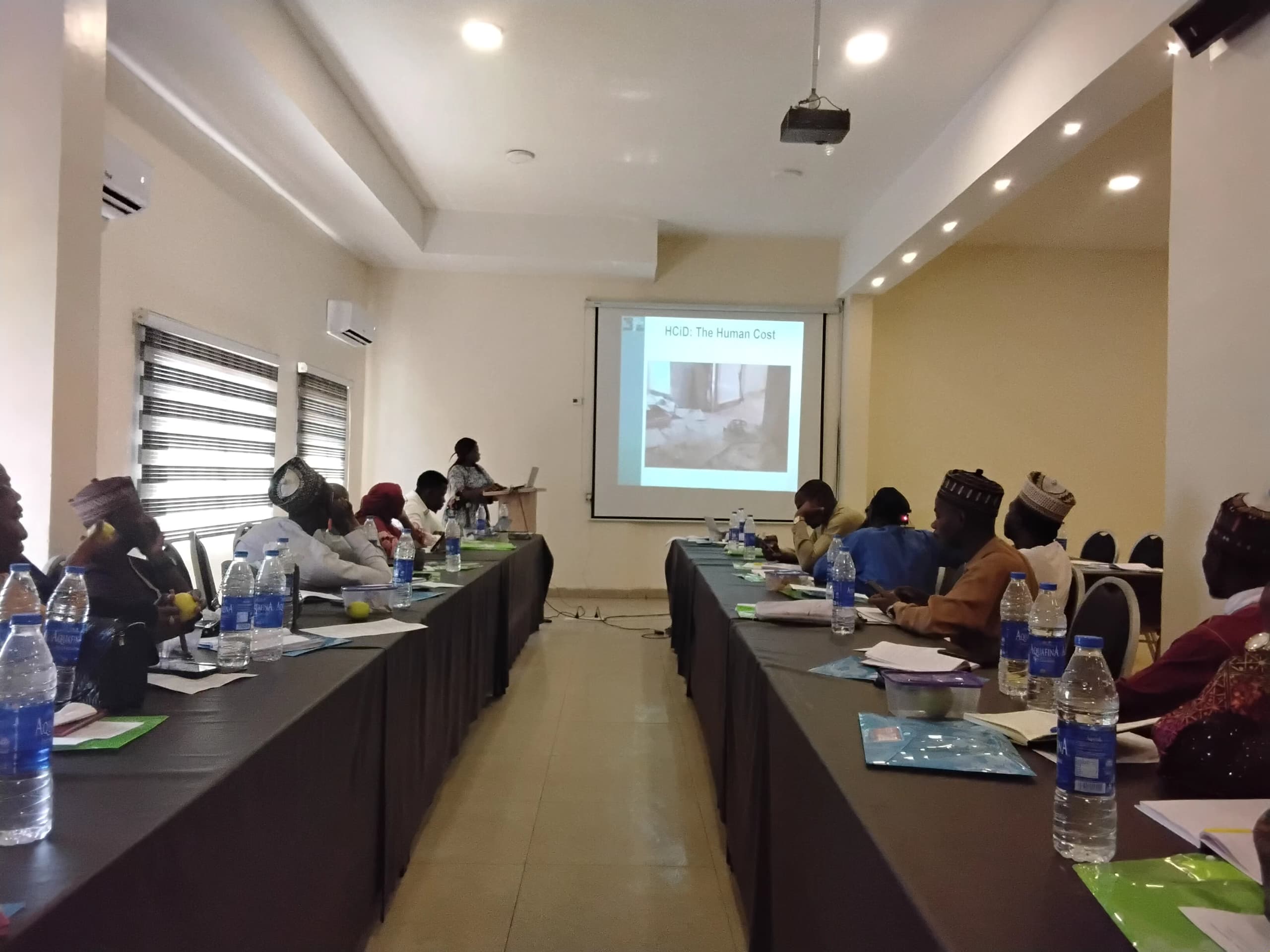
In her presentation titled “Protecting Healthcare in Insecure Environments: The Role of the Media,” ICRC HCiD Advisor, Juliet Kelechi, described violence against healthcare as any act of verbal or physical aggression, obstruction, or threat that interferes with the availability and delivery of health services during emergencies.
She emphasized that for communities already enduring the horrors of violence, attacks on healthcare mean the loss of essential services such as prenatal care, vaccination programmes, medicines, and treatment for the wounded often resulting in disease, disability, and death.
Also speaking, ICRC Communication Specialist, Aliyu Dawobe, highlighted that the media’s role in humanitarian crisis response should be to focus on the human angle rather than just humanitarian statistics, identify challenges, and strengthen trust with humanitarian actors.
In his welcome address, the Director of Public Affairs at Bayero University Kano and media consultant Lamara Garba Azare, described the roundtable as timely and essential.
He urged participants to share the knowledge gained, noting that the discussion deepened collective understanding of the ICRC’s Health Care in Danger initiative and strengthened collaboration between the media and humanitarian actors in advancing the protection of healthcare.
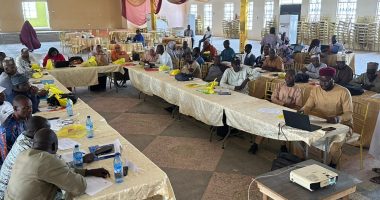
Radio Nigeria reports that the roundtable was attended by 30 journalists from print and broadcast organizations across Kano, Katsina, Sokoto, Zamfara, and Kaduna states.
COV/Khadijah Aliyu