Zamfara State Government has unveiled a comprehensive plan to tackle the problem of out-of-school children across the state, with a target to enroll over 800,000 children back into classrooms fully beginning from 2026.
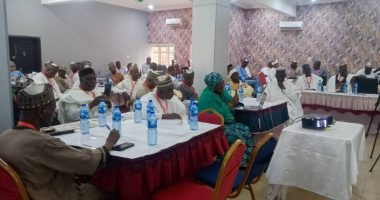
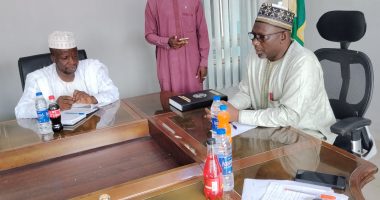
The State Commissioner for Education, Science and Technology, Malam Wadato Madawaki, disclosed this in Gusau while speaking at the 2025 End-of-Year Review Meeting organized by the State Government in collaboration with UNICEF.
Represented by his Senior Special Assistant, Sani Mailafiya, the Commissioner said the administration of Governor Dauda Lawal has identified critical challenges facing the education sector in the last two years and has begun implementing strategic interventions to address them.
“Unfortunately we have started implementing a few of them but fully “implementation in 2026”
According to him, Zamfara State had estimated over 800,000 out of school children and government is determined to confront the challenge head-on.
“We have over 800,000 out of school children in Zamfara State and we are going to attack that head on, because we all know, what it can do when you get educated children, this issue of banditry and other things we can curtail them at the future”
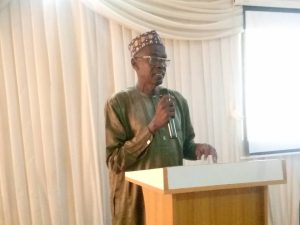
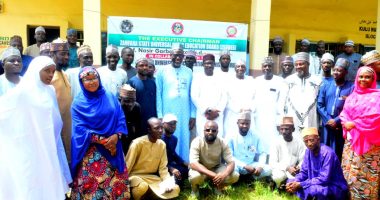
He explained that, the Ministry had corporated UNICEF and the National Commission for Almajiri and Out-of-School Children Education where they move round the state and registered some out of school children.
According to Malam Madawaki, within the next two weeks with the support of UNICEF, the Ministry would register 222,400 out of school children across various communities in the state.
“We will not just register them, we will identify them by their coordinates, locate the nearest schools, and ensure they are enrolled. Even if it requires extra lessons to help them catch up, the government will ensure no child is left behind,” he added.
Malam Madawaki also identified poor transition from primary to junior secondary schools as a major challenge, adding that, the state has over 1,760 primary schools but with only 217 secondary schools, resulting in many pupils dropping out after primary education.
“To address this, the government plans to establish junior secondary schools close to existing primary schools to make the transition easier, especially for children in rural areas,” he stated.
He also announced government plans to establish Junior Secondary schools closer to some identity primary schools for easy transition as well as boarding schools.
The Commissioner expressed happiness for the progress being recorded in Adolescent Girls Initiative for Learning and Empowerment (AGILE) project and the strategy put in place to ensure adolescent girls return to school.
He said the Ministry is working to meet the UNESCO-recommended 26 percent education budget allocation, and that, the Zamfara State Education Trust Fund Law is being reviewed to mobilize more resources for education development.
“In addition to expanding access, we are focusing on quality and entrepreneurship. Through UNICEF’s SILSA program, every child finishing junior secondary school will acquire a trade skill to prepare for life after school,” he noted.
The Commissioner assured that 2026 will mark a remarkable year for education in Zamfara State, given the reforms and partnerships currently underway.
In a goodwill message, the Permanent Secretary, Ministry of Justice, Musa Garba, expressed appreciation to UNICEF for its continued support to the state in strengthening legal frameworks for child protection.
He said UNICEF has supported several key initiatives, including the Child Rights Protection Law, the Gender Policy, and ongoing programs for children in conflict with the law.
Mr. Garba revealed that through joint efforts with UNICEF, the ministry has identified several underage children in detention centers across Gusau, Kaura Namoda, and other areas, many of whom were involved in banditry or other serious offenses.
He added that discussions are ongoing with UNICEF on ways to rehabilitate and reintegrate such children into society.
The one-day review meeting provided a platform for government agencies, civil society organizations, and UNICEF officials to assess the progress made in 2025, share lessons learned, and develop the 2026 Annual Work Plan for improved service delivery in the education sector.
COV/AMINU DALHATU