
Writing By Usman MZ; By Yusuf Zubairu
The United Nations Children’s Fund (UNICEF) has reaffirmed its commitment to promoting gender equality and women’s leadership in the education sector, calling for greater inclusion of women in key decision-making positions in Jigawa State’s basic education system.
The Chief of UNICEF Field Office in Kano, Rahama Rihood Mohammed, speaking at a dissemination workshop on The Role of Women in Leadership Positions in the Basic Education Sector in Jigawa State, said the event provided an opportunity to reflect on the progress made and the gaps that still exist in achieving gender balance in educational leadership.
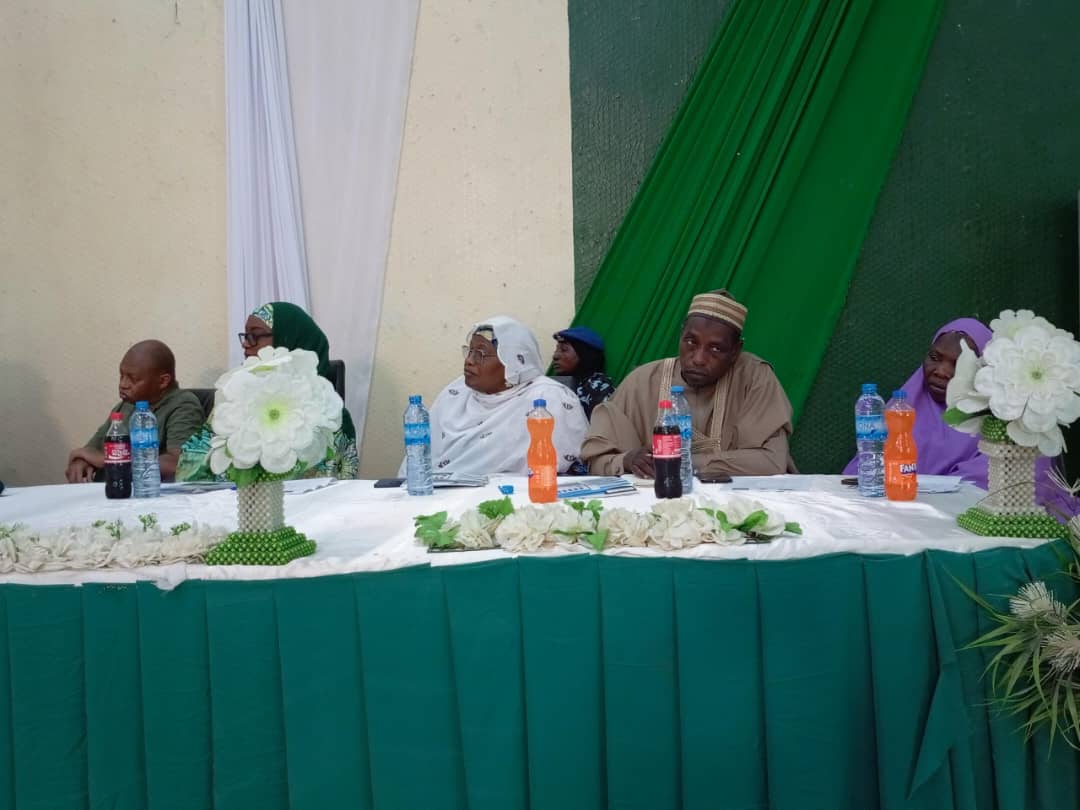
The workshop, organized by the High-Level Women Advocates (HiLWA) with support from the European Union, was held at the Manpower Development Institute Conference Hall in Jigawa State.
Rahama Mohammed commended HiLWA for its vision and the European Union for funding the research that revealed a significant underrepresentation of women in school leadership roles across the state.
According to the findings, women make up the majority of the teaching workforce in Jigawa but occupy only about 14 percent of leadership positions such as head teachers or deputies. She said this imbalance limits women’s contributions to shaping education policy and practice despite their experience and dedication.
The UNICEF representative noted that social and cultural norms, institutional barriers, and limited mentorship opportunities continue to restrict women’s advancement, adding that this situation is not unique to Jigawa but reflects a national challenge.


Rahama Rihood Mohammed emphasized that when women lead, schools record stronger management, improved community engagement, and better learning outcomes, particularly for girls. “When girls see women leading their schools, they see what they can become,” he added.
Highlighting the UNICEF Gender Action Plan (2022–2025), Mohammed said achieving gender equality requires dismantling systemic barriers, promoting fair recruitment and promotion processes, and building mentorship networks for female educators.
He also called for creating supportive environments that enable women to balance family and professional responsibilities, while communities and leaders should help challenge social norms that hinder women’s leadership.
UNICEF, he said, will continue to work with HiLWA, the European Union, and the Jigawa State Government to turn research findings into practical policy actions that empower women educators and strengthen education delivery.
“Advancing women’s leadership in education is not just about fairness, it is about securing a better future for our children,”
The UNICEF representative commended the state government and partners for their continued dedication to inclusive and quality education.
Usman Mohammed Zaria