By AMINU DALHATU
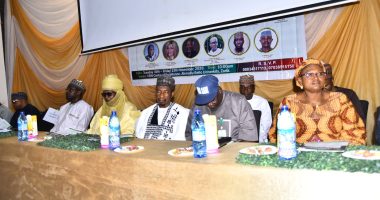
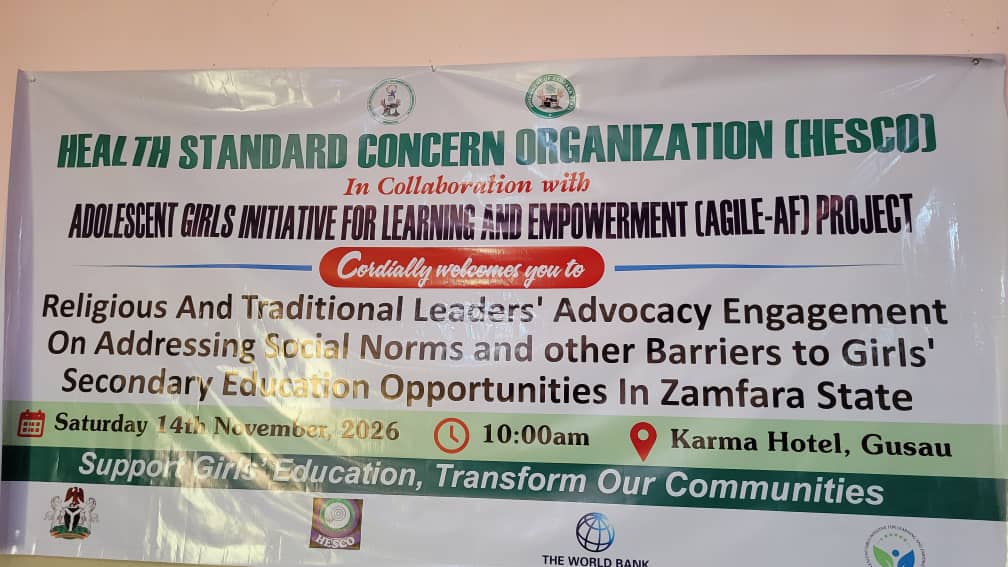
The Zamfara State Adolescent Girls Initiative for Learning and Empowerment (AGILE) Project, in collaboration with the Health Standard Concern Organization (HESCO), has engaged religious and traditional leaders on the need to address harmful social norms and other barriers affecting girls’ access to secondary education in the State.
Speaking at the event, the Executive Director of HESCO, Abdullahi Lawali, said the engagement was aimed at strengthening community support for girls’ enrolment, retention and completion of secondary education.
He identified poverty, negative social norms, household responsibilities, misconceptions about girls’ education, insecurity and inadequate parental support as some of the challenges preventing adolescent girls from enrolling in and completing secondary education.
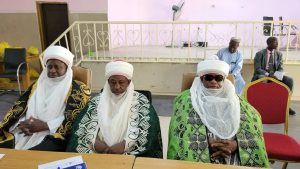
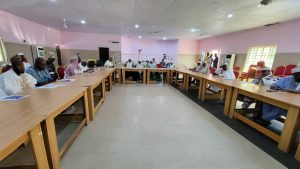
Mr Lawali stressed that, addressing the challenges required collective efforts beyond government interventions and the provision of school infrastructure, particularly through sustained community engagement and positive behavioural change.
He emphasised the influential roles of traditional and religious leaders in shaping community values, family decisions and social behaviour, describing their support as critical to improving girls’ educational opportunities.
The HESCO Executive Director therefore urged the leaders to use their respective platforms, including palaces, mosques, churches and community gatherings, to promote girls’ education, discourage harmful practices and encourage parents to support their daughters’ educational aspirations.
Earlier, the Deputy Coordinator of AGILE Project in Zamfara State, Dr Salisu Dalhatu explained that the project was designed to improve access to secondary education for adolescent girls through three major components: providing accessible learning environments, creating an enabling environment for girls and strengthening government systems for effective project implementation.
Dr Dalhatu said under the first component, AGILE had constructed 42 new learning spaces across Junior and Senior Secondary Schools in the State.
The project had also renovated learning facilities in 233 secondary schools, while plans were underway to provide additional interventions through large grants to 119 schools, bringing the total number of beneficiary schools to 352.
According to him, the newly constructed learning spaces are equipped with water, sanitation and hygiene facilities, including motorised boreholes and toilets, with provisions designed to accommodate students living with disabilities among other interventions.
The Director of Voluntary Aid Initiative, Musa Abiki, noted that, discussions with religious and traditional leaders had identified between nine and ten major barriers, including the preference for educating male children over girls.
He also identified poverty, the societal perception that girls should concentrate more on household chores than education, and the pressure on girls to get married at an early age as factors contributing to low participation in education.
The Director noted that the challenges particularly affect girls at the secondary school level, making it necessary for stakeholders to intensify efforts towards changing negative social attitudes and practices.
He expressed satisfaction that the engagement had provided an opportunity for traditional and religious leaders, alongside other stakeholders, to discuss practical ways of addressing the identified barriers.
The Emir of Kaura Namoda, Alhaji Sanusi Ahmad Asha, has called on the Adolescent Girls Initiative for Learning and Empowerment (AGILE) Project to formally involve traditional rulers in its efforts to improve girls’ access to secondary education in Zamfara State.
He said traditional institutions had important roles to play in addressing challenges affecting girls’ education, particularly through community mobilisation, parental engagement and the promotion of positive social values.
In a remark, a representative of the Christian community in Zamfara State, Mr Ike Chukwu Kennedy who identified himself as an educationist and school proprietor, said educating girls was important because of their significant role in raising children and shaping the future of society.
He observed that a considerable number of students in secondary schools across Zamfara State were girls, many of whom, were performing well academically.
According to him, the performance of girls in schools demonstrated the need to give them equal opportunities to acquire quality education and develop their potential.
Editing by BASIRAT MEMUDU