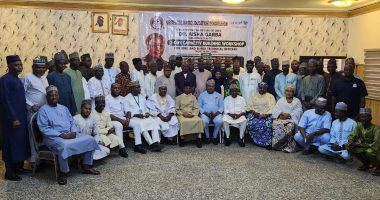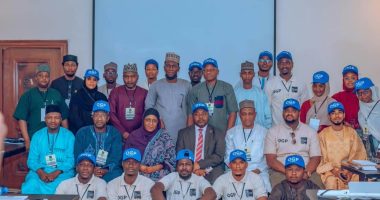

Broadcast, print, and online journalists from across Kaduna State have undergone a three days workshop organized by an NGO, Bridge that Gap Initiative.
The workshop which is tagged “Women Empowerment and Climate Resilience Initiative: Strengthening Journalism and Reporting on Climate Related Issues” was part of the Partnership for Agile Governance and Climate Engagement, PACE program been carried out in three Northern states of Kano, Jigawa and Kaduna, funded by the UK International Development.
Over the course of three days, participants were taken through practical sessions on data-driven storytelling, ethical reporting, and investigative techniques to help them produce accurate, compelling, and solution-oriented climate stories.
Facilitators at the workshop included renowned environmental experts and journalists such as Dr. Joseph Daniel Onoja from the Nigerian Conservation Foundation, Enene Ejembi, Jonah Birga, and the Editor in Chief of Environs News Nigeria, Mr. Michael Simire who led discussions on the intersections between environmental policy, media ethics, and community resilience.
In a paper presentation, one of the facilitator, the Editor In Chief with Environs News Nigeria, Mr. Micheal Simire outlined a new paradigm for reporting the “defining story of our time,” emphasizing truth over balance and justice over jargon.
He explained that climate journalism is a critical public service where the obligation is to truth, not false balance.
Dwelling on topics such as Ethics and Challenges in Climate Journalism: Misinformation and Ethical Dilemmas, Ethics and Challenges in Climate Journalism: Navigating Access to Sources and Sensitive Information and Storytelling and Media Engagement: Framing Messages for Diverse Audience, Mr.Simire emphaised that the most direct challenge to conventional practice was the instruction to stop giving a platform to climate deniers.
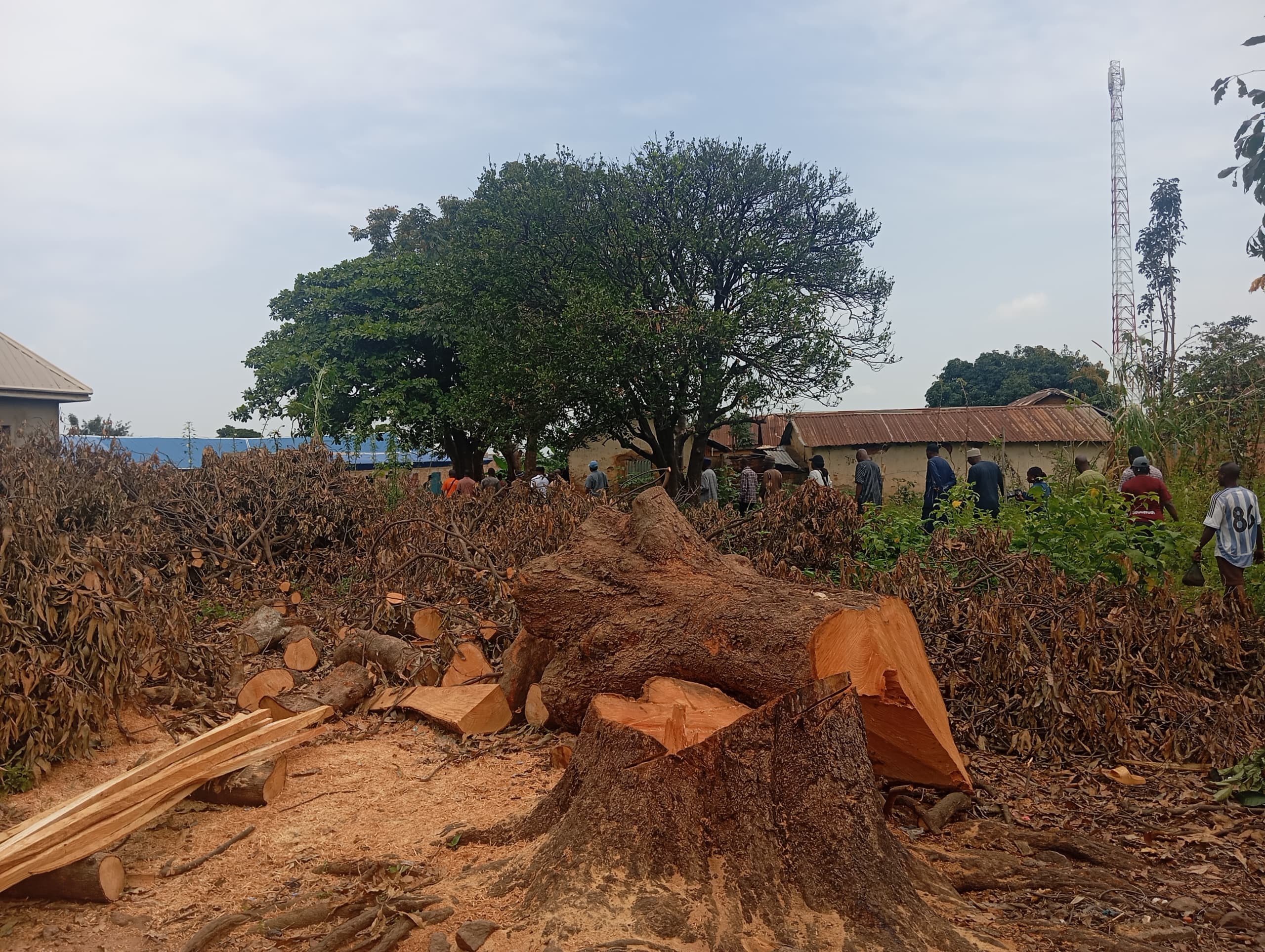
A key highlight of the three days training was a field visit to Idon community in Kajuru Local Government Area of southern Kaduna, where participants witnessed firsthand the devastating effects of deforestation and charcoal production.
For many residents of the community, charcoal burning remains a vital source of income despite its toll on local ecosystems as they could not afford fertilers for farming.
Cov. Naomi Anzaku.