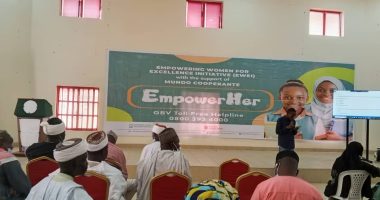
Parents from Keke A, Keke B, and Rafin Guza communities in Kaduna State have participated in a community dialogue aimed at addressing the persistent challenges of early marriage, Female Genital Mutilation, FGM, and the lack of education for the girl child.
The dialogue was organized by the Empowering Women for Excellence Initiative “EMPOWER HER”, as part of ongoing efforts to promote the rights and well-being of girls in vulnerable communities.
Speaking at the event, the Programme Manager of EMPOWER HER, Hajiya Hafsat Yusuf, said the forum was designed to provide a platform for stakeholders—including parents, religious and traditional leaders, as well as local security personnel—to share perspectives and contribute to practical solutions.


She observed that some traditional practices, often passed down through generations, continue to undermine the development and future of the girl child.
Hajiya Hafsat Yusuf stressed the need for sustained awareness, sensitization, and advocacy, urging participants to take seriously the guidance of religious leaders and medical experts on the dangers associated with FGM.
She also called for equal opportunities for both boys and girls, particularly in access to education, noting that empowering the girl child remains vital to community and national development.
In his remarks, a religious leader from Keke B, Imam Muhammad Tukur, commended the organizers for bringing together diverse stakeholders to deliberate on the issues.
He emphasized the importance of understanding both religious and medical perspectives, noting that such engagements help to correct misconceptions and promote informed decision-making among parents.
Imam Tukur pledged to pass the knowledge gained to members of his mosque to further strengthen community awareness.
Also speaking, one of the facilitators, Mendie Jeremiah, expressed satisfaction with the level of participation, describing the dialogue as insightful and impactful.
He noted that the engagement would provide valuable information to guide future advocacy campaigns aimed at promoting behavioral change.
Similarly, the Sarkin Rafin Guza, Malam Kabiru Adamu, acknowledged that some practices affecting the girl child have been wrongly linked to religion rather than tradition.
He urged parents to disseminate the information gained and collaborate with religious leaders and medical experts to eliminate such practices.
The dialogue forms part of broader efforts to address social norms that hinder the growth and development of girls, while promoting inclusive and sustainable community development.
Fatima Aliyu, Radio Nigeria.