
By Khadija Kubau
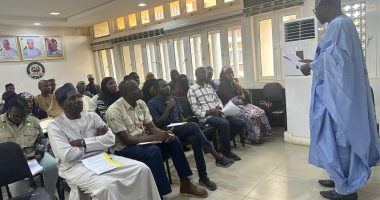
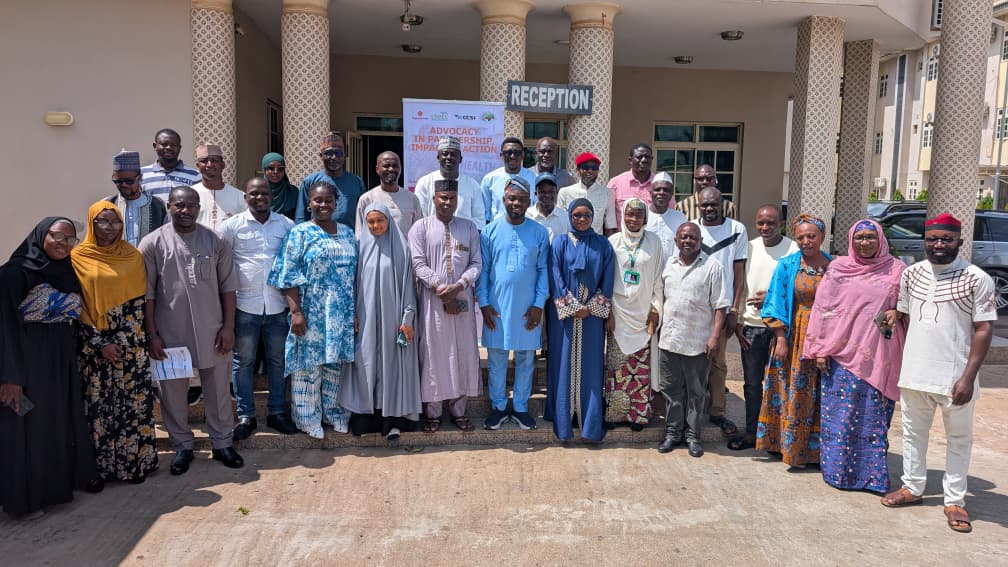
Kaduna State has become the first state to benefit from a capacity-building workshop on the use of the FASTR RMNCH+N Scorecard to strengthen evidence-based advocacy, accountability and decision-making in primary healthcare.
The two-day training, held August 12–13, 2026, was organised by the Federal Ministry of Health and Social Welfare, in collaboration with EngenderHealth and Results for Development (R4D).
The workshop, themed “Strengthening CSO Capacity for Evidence-Based Advocacy Using the FASTR RMNCH+N Scorecard,” trained representatives of the Kaduna State Ministry of Health, Kaduna State Primary Health Care Board, SLAM and civil society organisations.
Participants were trained on accessing and analysing FASTR data, developing scorecard visualisations, interpreting RMNCH+N indicators and translating evidence into advocacy briefs.
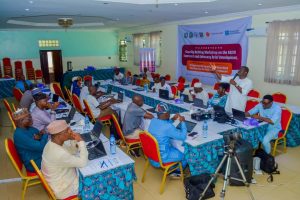
The Programme Accountability & MERL Manager, EngenderHealth, Jumare Abdulazeez, facilitated sessions on using evidence for advocacy and accountability. He stressed the importance of data quality and urged CSOs to make advocacy messages clear, specific, measurable and tailored to decision-makers.
Joshua Elaigwu, Senior Programme Officer, R4D Nigeria, led practical sessions on FASTR data analysis and scorecard development, while Favour Adams, Gender Associate, EngenderHealth, facilitated training on gender-responsive data analysis.
Participants also engaged in group exercises on developing advocacy messages and briefs.
The organisers said the training would strengthen stakeholders’ ability to use credible health data to identify service-delivery gaps, influence decisions and track accountability.
Lagos is expected to be the next beneficiary, followed by Kano.
END