
Written By Isma’il Adamu; Edited By Godwin Duru
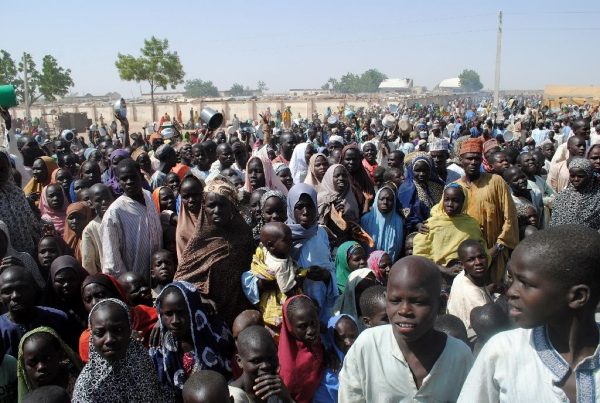
The International Organization for Migration (IOM) has called on governments, civil societies and communities to address security, climatic and economic factors that lead to mass displacement in the northwest zone of Nigeria.
The call comes amid raging banditry, kidnapping and flooding which have displaced 737,073 persons in hundreds of communities across the zone.
At a press conference in Katsina to present a review of the impact of interventions under the Conflict Prevention, Crisis Response and Resilience (CPCRR) program, the IOM Chief of Mission in Nigeria, Sharon Dimanche, said despite a record of 147,000 returnees in the affected communities, factors that led to their initial displacement need to be addressed.
“The fact that people are returning does not mean we have a durable solution in place. What is important is for them to return to safety where they can earn a living, their children can go to school, and where the conditions that displaced them in the first place are being addressed.”

In a virtual presentation of the IOM Displaced Tracking Matrix, Dimanche identified violent conflict which includes banditry and kidnapping as the major cause of displacement, particularly in Katsina and Zamfara States.
“The data is very clear about the major cause of displacement. Out of the over 737,073 displaced persons almost 620,000 were displaced by armed banditry and kidnapping which represents about 84 percent.
“Whether they were displaced by violence or flood, the consequences can be very similar: loss of livelihood, children out of school, fear, uncertainly and communities placed under immense pressure.”
She emphasized the need for government and community actors to be vigilant of early warnings of conflict before they escalate into violence.
“Conflict never happens without early signs. The question is whether we are able to recognize the signs early enough, whether information reaches the right people quickly enough, and whether the authorities and communities can act before tension becomes violence, and violence becomes displacement.
“When the signs of conflict are detected early enough and acted upon, disputes are resolved before they escalate and conflict is prevented.”
“The CPCRR program focuses not only on the consequences of instability but also on strengthening peace building, early warning and community resilience; helping communities to identify risks and act before they become crises”, Dimanche said.
The Conflict Prevention, Crisis Response and Resilience program is a €5.1 million intervention that works with civil society organizations, community-based organizations, traditional institutions, youths and women to build peace and prevent conflict in 11 local government areas across Katsina and Zamfara States.