Writing By Teddy Daniel; Editing By Yusuf Zubairu
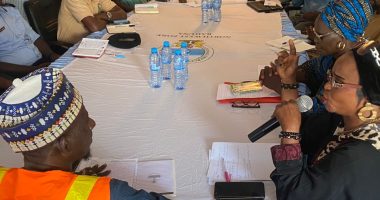
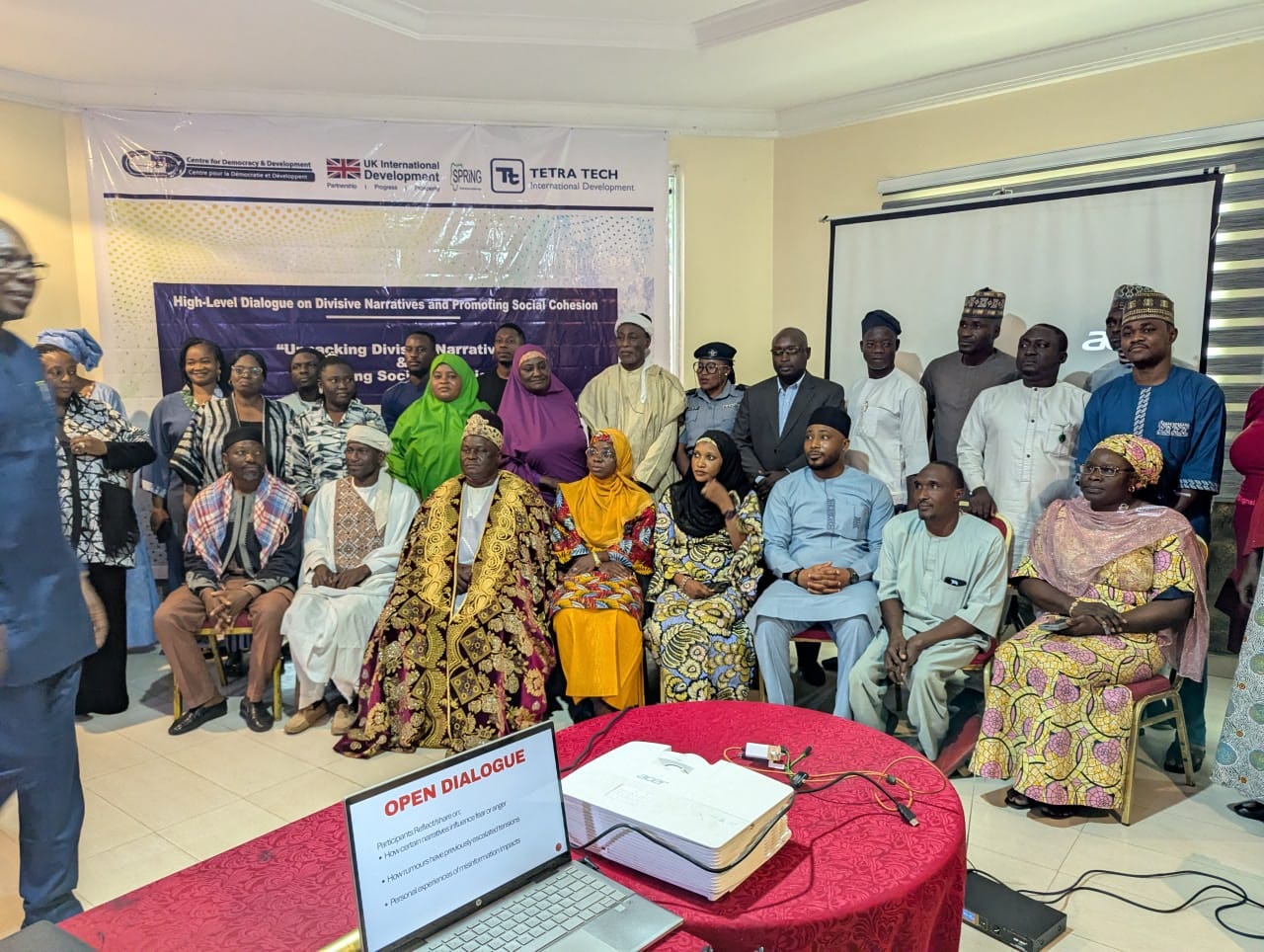
Centre for Democracy and Development West Africa has convened a one day high level dialogue in Kaduna State aimed at addressing divisive narratives and strengthening peaceful coexistence among communities.
The dialogue, themed “Unpacking Divisive Narratives and Promoting Social Cohesion,” brought together stakeholders from across sectors to examine how misinformation, disinformation and hate speech contribute to tension and undermine social harmony.
A development consultant working with the organization , Mr Edosa Oviawe, said the meeting was designed to build information literacy that supports peace and stability within communities.
“Over time we have observed how divisive messaging and narratives are fueling tension, escalating crises and even enhancing fear in communities,” Oviawe said.
He explained that the initiative seeks to bring stakeholders together to identify the sources of such narratives and develop collaborative strategies to counter them.
“We said let us come together to a roundtable, map out these divisive narratives, examine what is fueling them and begin to discuss how to address them collectively.
“The most important thing is to pause before sharing information and ask yourself if what you are pushing out is verified and what consequences it may have on society,” he explained.
Oviawe stressed that while government and security agencies continue to work towards ensuring peace, citizens also have a role to play in curbing misinformation.
According to him, sensitive security related information should be reported directly to relevant authorities rather than circulating them on social media platforms.
“If you receive information that could cause panic, the best thing is to reach out to the appropriate security agencies instead of sharing it on WhatsApp where it may cause more harm,” he narrated.
Also speaking, Director of the Kaduna State Multi-Door Court House and Alternative Dispute Resolution Center, Mrs Dorcas Levy Daniel, identified marginalisation, insecurity and lack of access to justice as major drivers of divisive narratives.
“When people feel marginalised, unheard or insecure, it fuels divisive narratives,” she said.
She noted that improving governance, expanding social and economic opportunities and strengthening access to justice would help reduce tensions within communities.
Mrs Daniel further emphasized the role of Alternative Dispute Resolution in promoting peaceful settlement of disputes.
“Alternative Dispute Resolution is one of the fastest and most effective ways of resolving conflicts amicably, which is why the Kaduna Multi-Door Court House provides platforms for dialogue and trauma healing,” she added.
Participants at the dialogue collectively reaffirmed their commitment to promoting responsible communication, countering misinformation and strengthening social cohesion across communities in the state.
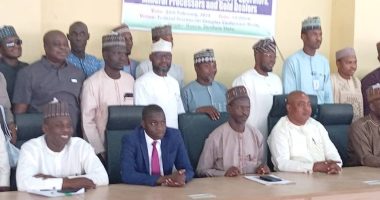
Radio Nigeria report that the dialogue engagement attracted about fifty participants including traditional and religious leaders, academics, youth and women groups, civil society organizations, media practitioners and security agencies.