
Writing By Khadijah Aliyu ;Editing By Godwin Duru
For generations, Fura da Nono has been more than just a drink in Northern Nigeria as it is a symbol of culture, community, and nourishment.
In Kano, where traditions thrive alongside modern lifestyles, this creamy blend of millet and fermented milk continues to unite people across classes and ages, offering comfort, energy, and a taste of home.
In the bustling streets of Kano, amid the aroma of suya, the chatter of traders, and the hum of keke riders, one local delicacy continues to hold a special place in the hearts and cups of residents: Fura da Nono.
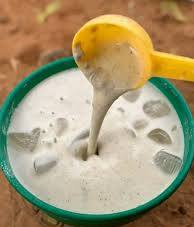
Served cold, creamy, and refreshingly tangy, Fura da Nono , a traditional blend of fermented cow milk (nono) and millet balls (fura) remains one of the most cherished traditional drinks in Northern Nigeria.
Despite the growing popularity of soft drinks, yoghurts, and imported beverages, many Kano residents still prefer this indigenous drink, not just for its taste, but for its cultural and nutritional significance.
At Kofar Wambai Market, where vendors line up with calabashes filled with freshly prepared fura da nono, 32-year-old Abubakar Jibril takes a long sip before smiling contentedly.
“I drink fura da nono almost every day,” he says. “It keeps me full for hours and gives me strength, especially when I have a busy day at work. It’s natural and affordable not like the processed drinks that only satisfy for a few minutes.”
Similarly, Muhammad Aliyu, a student at Bayero University, calls it “the perfect refreshment after lectures.”
“It’s both food and drink,” he laughs. “When you take a calabash of fura da nono, you don’t need lunch.”
For Binta Haladu, a mother of three, the drink carries a sense of nostalgia and identity.
..“We grew up drinking fura da nono at home,” she recalls. “It connects us to our culture. Even my children love it more than bottled drinks.”
Kabiru Musa, a tricycle rider, adds a practical reason:
“It’s cheaper and more filling than other drinks. When I’m on duty all day, it gives me energy and keeps me refreshed.”
According to Dr. Dijeh Kabara, a nutritionist at Aminu Kano Teaching Hospital, fura da nono is not just a cultural staple , it is also a powerhouse of nutrients.
“Nono, the fermented milk, is rich in protein, calcium, and probiotics that aid digestion and strengthen bones,” she explains.
“The fura made from millet provides carbohydrates, fiber, and essential minerals like iron and magnesium. When combined, they form a balanced meal rich in energy and beneficial bacteria.”
Dr. Kabara further notes that the drink can help improve gut health and immunity, especially when prepared hygienically and consumed fresh.
Beyond its nutritional value, fura da nono holds deep cultural symbolism.
It is traditionally associated with hospitality and communal sharing among Hausa and Fulani communities.
In urban areas like Kano, its popularity has transcended ethnic boundaries becoming a unifying refreshment enjoyed by all.
Street vendors, many of them women from rural areas, continue to thrive by selling fura da nono in markets, schools, and motor parks.
With increasing demand, some entrepreneurs are even modernizing production by introducing pasteurized versions and packaging for wider distribution.
Khadijah Aliyu