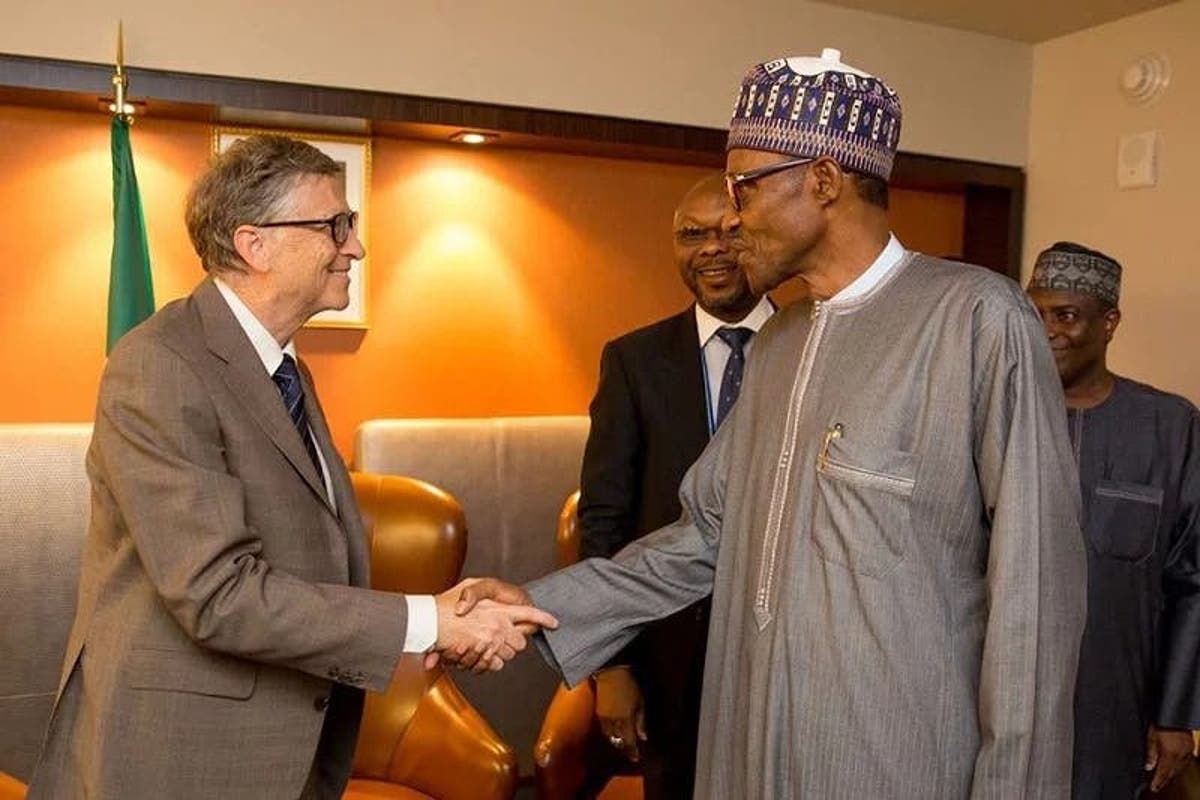

Federal Government and Microsoft have detailed several projects aimed at intensifying the nation’s move to become a more digital economy.
Microsoft said after extensive consultations with government, it identified three key pillars that will help to build strong foundations for a digital economy in Nigeria: connectivity, skilling and digital transformation.
“We believe in the future of Nigeria, and we are excited as a company to add to our investments,” says Brad Smith, Microsoft President. “Together, we have an enormous opportunity to put technology to work, create jobs, to foster the technology ecosystem across Nigeria, and to use technology to preserve the best of the past and take us into the future.”
Microsoft plans to deploy its Airband Initiative, which has succeeded in bringing high-speed internet connectivity to underserved communities around the world, tapping into the unused broadcasting frequencies of television white spaces. The technology is cheaper and faster to deploy than fibre and has the added benefit of being able to travel long distances and through forested terrain.
The software-making firm said following discussions with the Federal Ministry of Communication and Digital Economy and local partners, six regions in the country have been earmarked for the development of high-speed internet infrastructure.
Microsoft’s Airband team will work closely with local partners to improve broadband connectivity in these communities while also assisting with the design and implementation of hyper-scale cloud services.
The firm said it is committed to up-skilling 5 million people in Nigeria over the next three years. To help reach this goal, 1,700 trainers will provide blended online and in-person training courses to the country’s youth as well as government workers.
“Government will also be given the tools to digitally transform skilling, education, and employment methods to match job seekers with the right employers. In doing so, we hope to create over 27,000 new digital jobs in the next three years,” Mr Smith said.
“We are setting ourselves a big goal, to bring access to digital skills to five million people in Nigeria over the next three years,” continues Smith. “But this is not something we can do by ourselves. We will equip master trainers and, along with them, are committed to creating thousands of new jobs.”